

Normal Summon
Each player gets 1 Normal Summon/Set per turn. A Normal Summon places a monster from your hand in face-up Attack Position on your field in a Main Monster Zone. A Set uses your once per turn Normal Summon to place a monster in face-down Defence Position in a Main Monster Zone. Level 4 and lower monsters can be Normal Summoned without tributing any resources. Level 5 and higher monsters require other monsters to be tributed for them to be Normal Summoned.
Because of how fast the game and how strong modern decks have become, there are some archetypes that may often go entire turns never using their Normal Summon and only perform Special Summons. However, for most archetypes, they will have 1 monster that is their best or most powerful monster to Normal Summon when starting their combo.
Tribute Summon:
A specific type of Normal Summon for Level 5 or higher monsters. Level 5-6 monsters require 1 Tribute (sending a monster you control to the GY); Level 7+ require 2. Since this consumes your single Normal Summon, modern decks rarely use it unless the archetype (like Floowandereeze or True Draco) is specifically designed to maximise it.
Strategy: This is your most vulnerable action. Protect your Normal Summon, as many decks cannot function if it is removed or negated.
Special Summon
A Special Summon is any summon that is not a Normal Summon, and there is no limit to how many Special Summons you can perform (unless there is a card or effect that specifically stipulates otherwise). However, the types of Special Summons are incredibly variable. Any summon of an Extra Deck Monster or Ritual Monster is considered a Special Summon, but there are also card effects of Spells, Traps and Main Deck Monsters to Special Summon Main Deck Monsters from the Hand, Main Deck, Graveyard or Banishment
While all of these are Special Summons, I find myself thinking about them quite differently, because an Extra Deck Monster is never Normal Summoned and, by definition, has a unique summoning mechanic. However, for Main Deck monsters (excluding Ritual Monsters), they are monsters which can be and are Normal Summoned, but many times they are Special Summoned instead.
Furthermore, while every Fusion Summon is a Special Summon, a Fusion Monster can sometimes also be Special Summoned without being Fusion Summoned. An example of when this is important is Tearlaments Rulkallos:
“If this Fusion Summoned card is sent to the GY by a card effect: You can Special Summon this card.”
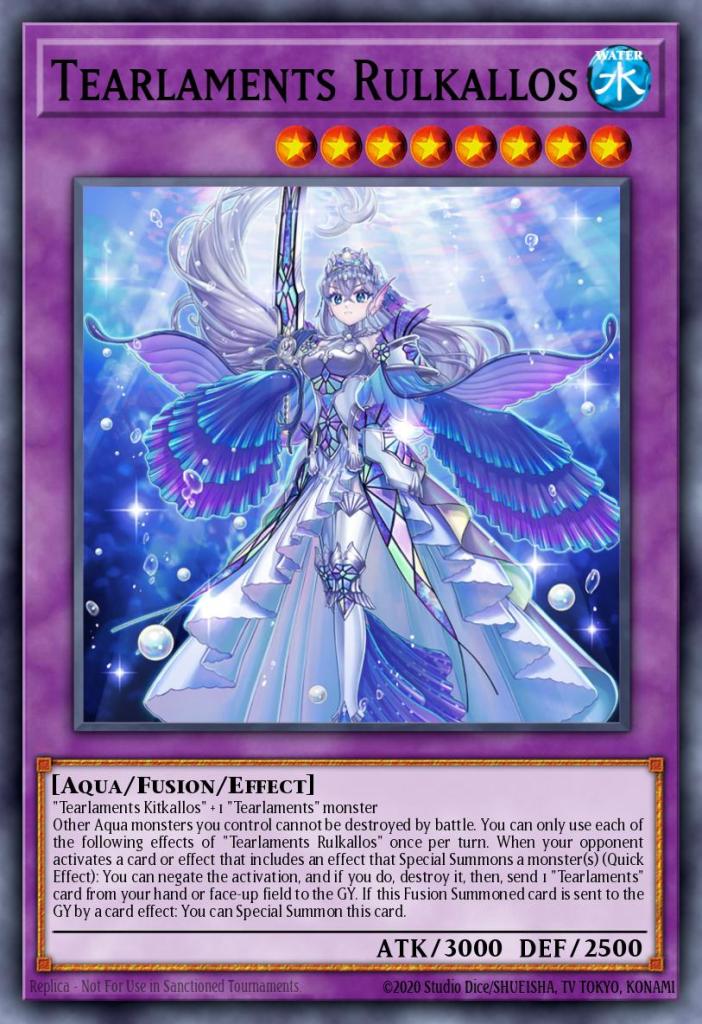
When Tearlaments Rulkallos is sent to the Graveyard by a card effect after being Fusion Summoned, it can be Special Summoned back to the Field. This Special Summon back from the Graveyard is not a Fusion Summon, only a Special Summon. So the next time that Tearlaments Rulkallos is sent to the Graveyard, it cannot summon itself again because the text states “If this Fusion Summoned card is sent to the GY”, not “If this Special Summoned Card is sent to the Graveyard”. So while both its initial Fusion Summon and its subsequent Special Summon from the Graveyard are both Special Summons, they are a different kind of summon.
Types of Special Summons from the Extra Deck include:
- Fusion Summons
- Synchro Summons
- XYZ Summons
- Link Summons
Within the Main Deck, many cards can perform Special Summons. In Modern Yu-Gi-Oh!, combos will utilise these Special Summoning effects to build your board. These Special Summoned Monsters will either function as a step in a sequence to build your end board through functioning as materials for Extra Deck Special Summons, adding or setting cards, destroying or negating cards, etc. Examples of these Special Summoning mechanisms are listed below:

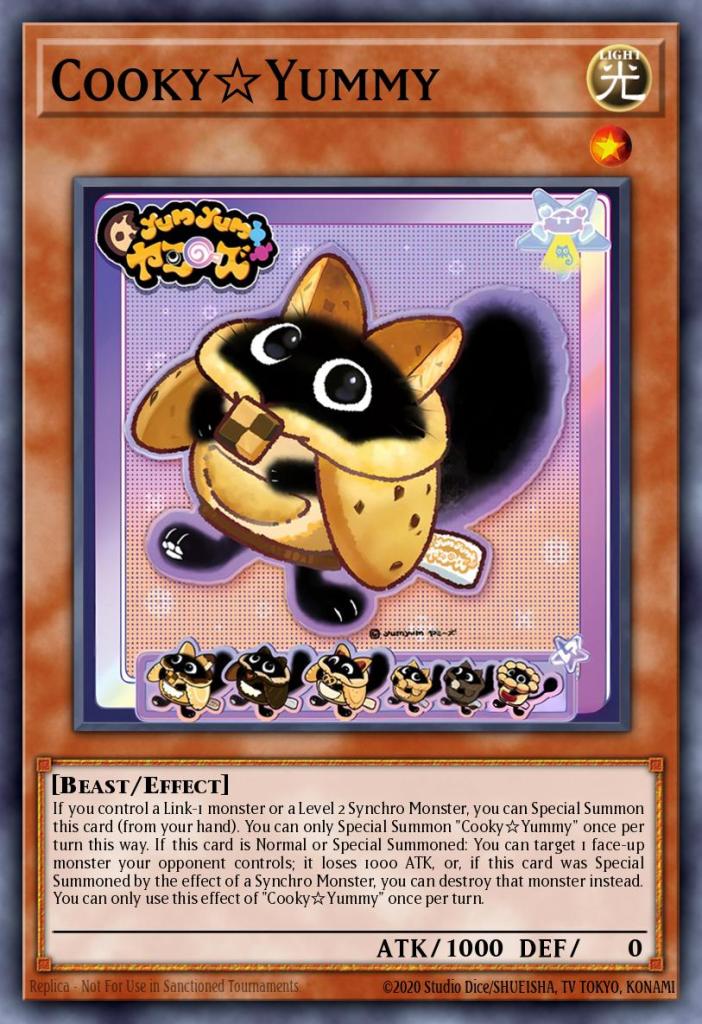
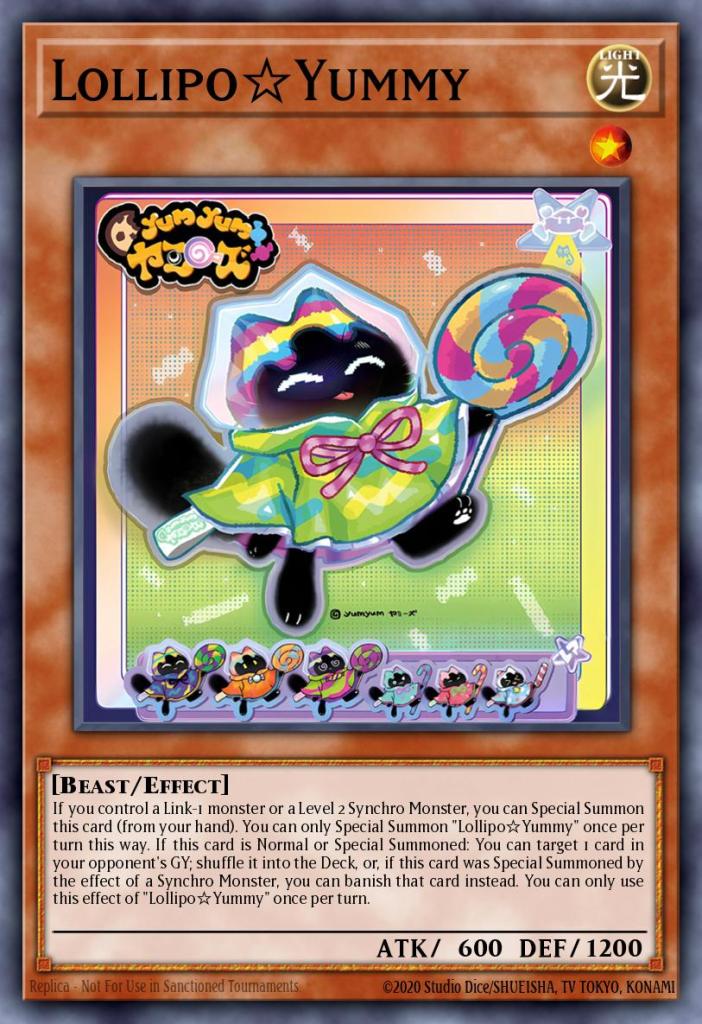
“If you control a Link-1 monster or a Level 2 Synchro Monster, you can Special Summon this card (from your hand)”
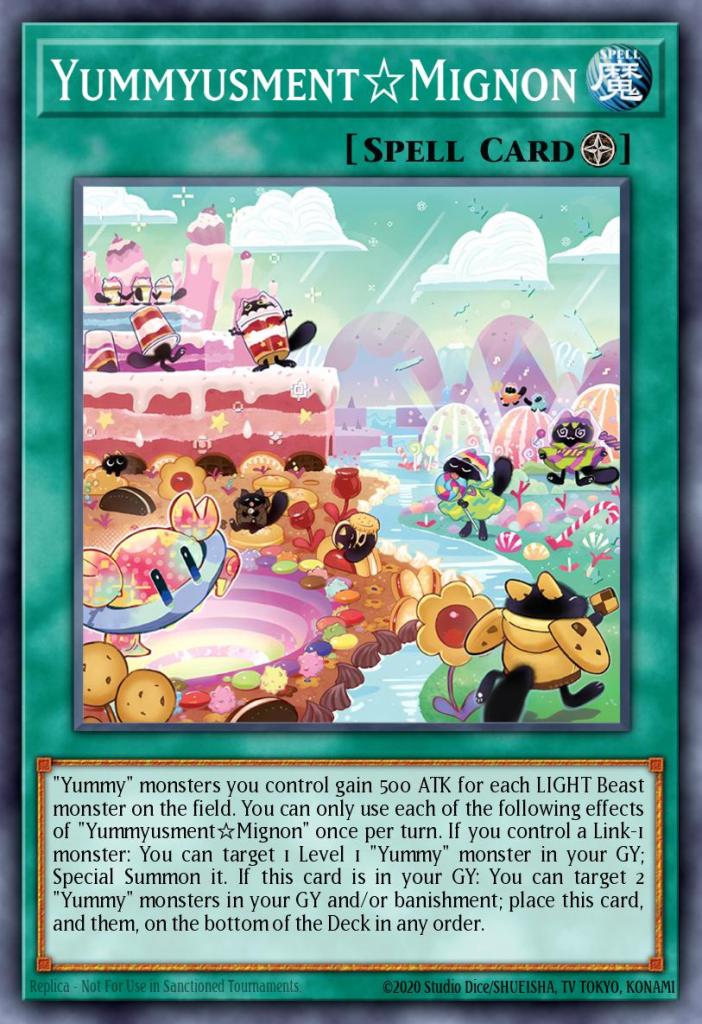
“If you control a Link-1 monster: You can target 1 Level 1 “Yummy” monster in your GY; Special Summon it”
“If you control no monsters: Special Summon 3 Level 2 or lower Beast-Type Effect Monsters with different names from your Deck”
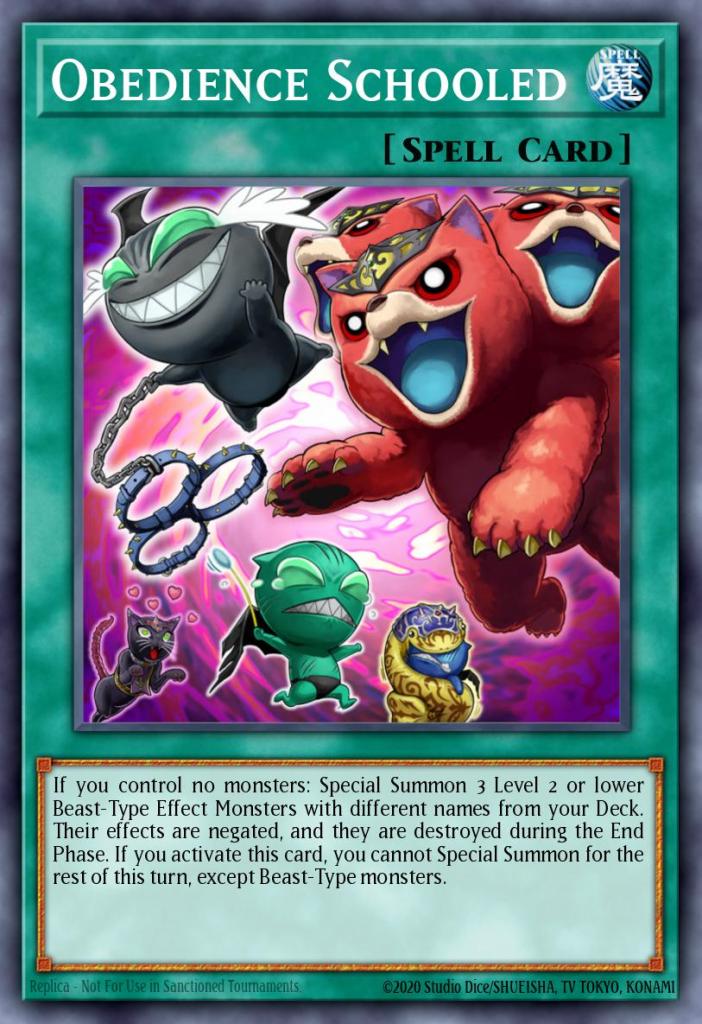
“You can Special Summon this card (from your hand) by sending 1 Xyz Monster from your Extra Deck to the GY”

“If you have a “Ryzeal” monster in your field or GY, you can Special Summon this card (from your hand)”
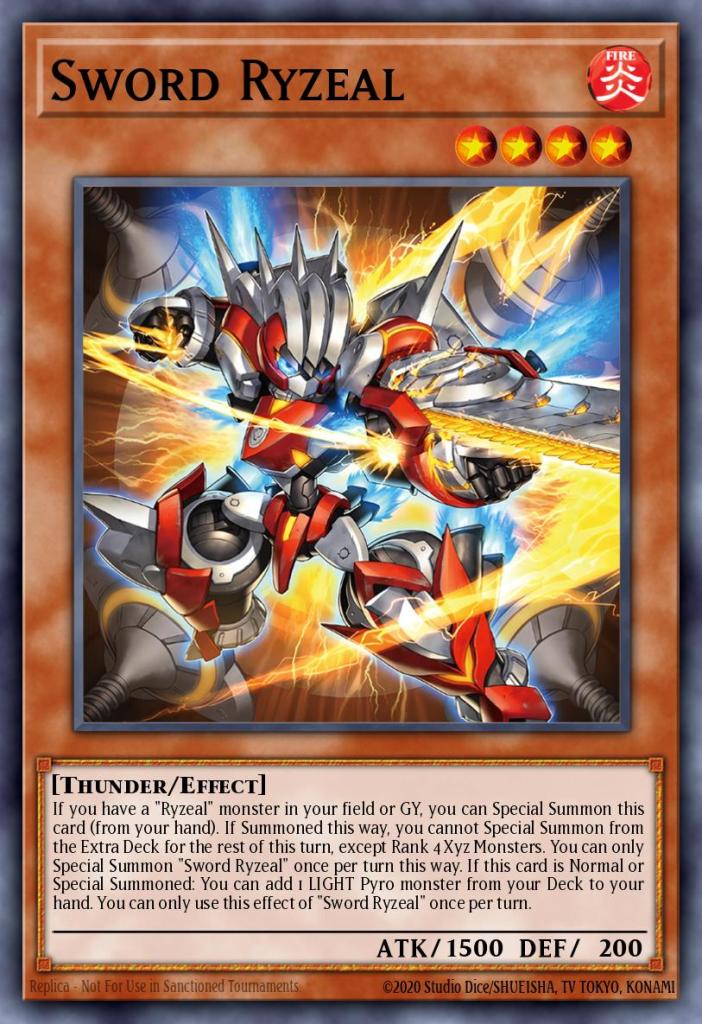
“If you control no monsters, you can Special Summon this card (from your hand)”
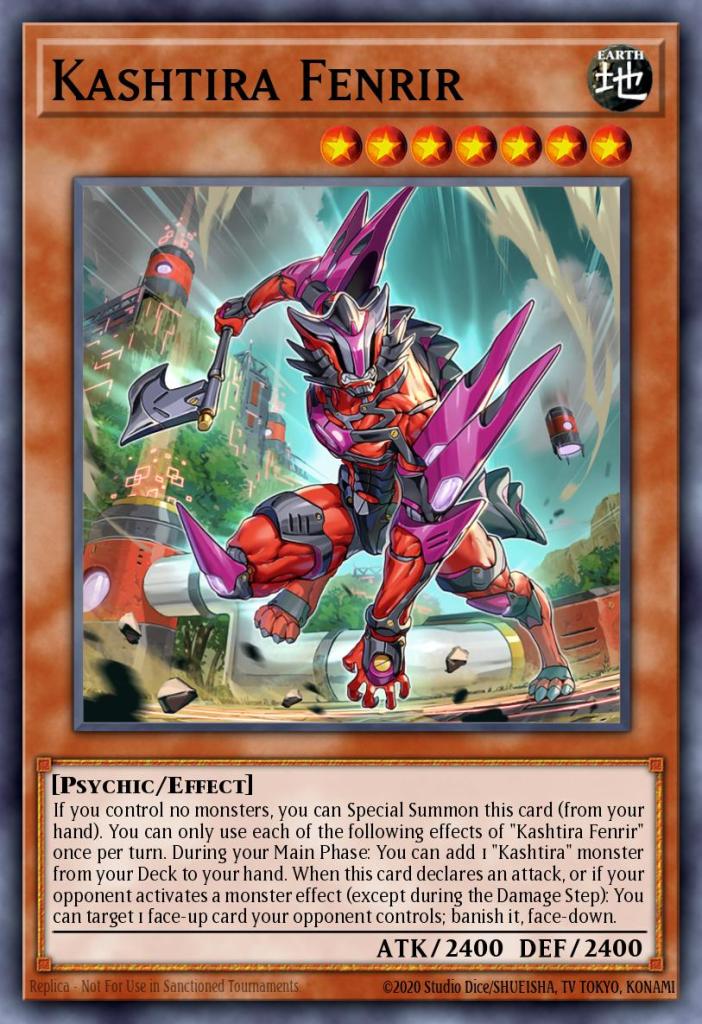
“If you control a “Kashtira” monster: You can Special Summon this card from your hand”
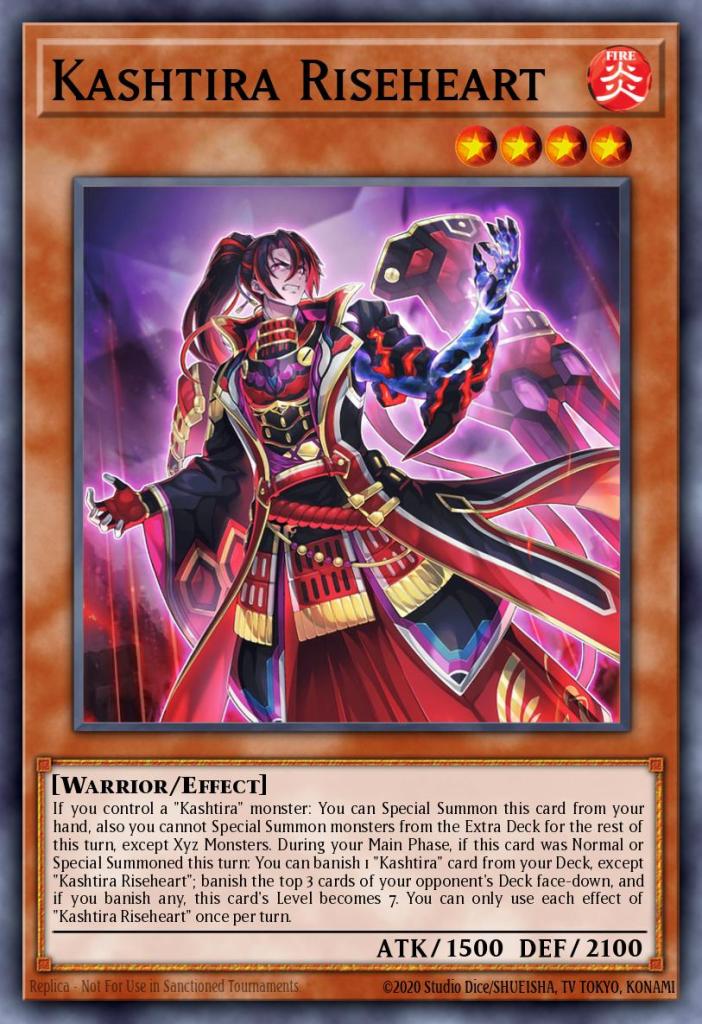
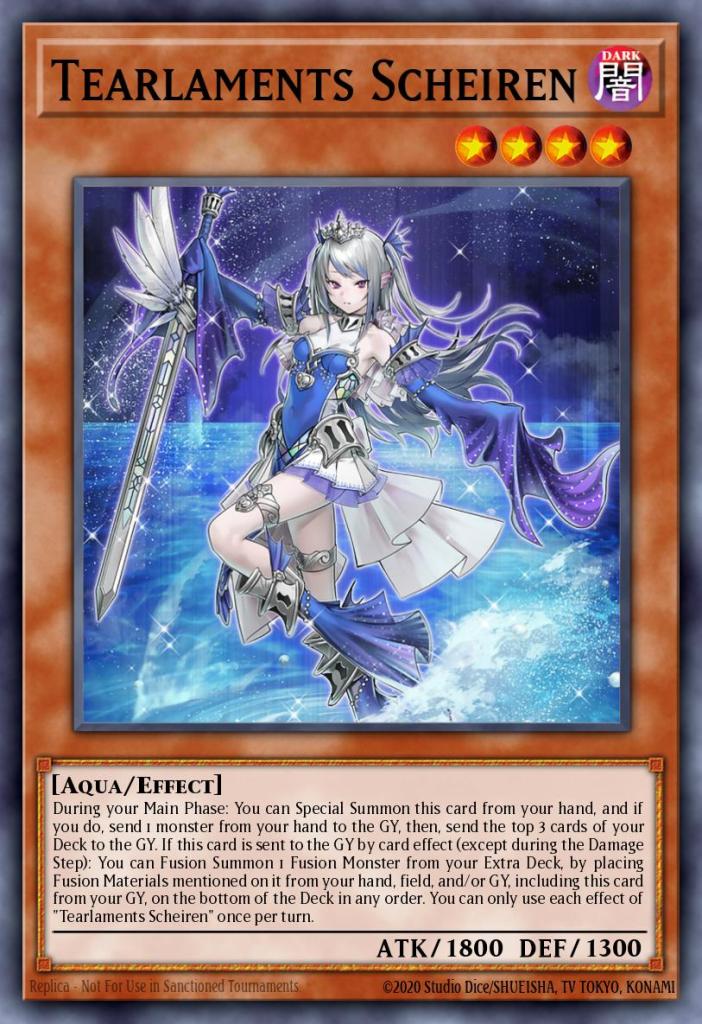
“During your Main Phase: You can Special Summon this card from your hand, and if you do, send 1 monster from your hand to the GY, then, send the top 3 cards of your Deck to the GY”
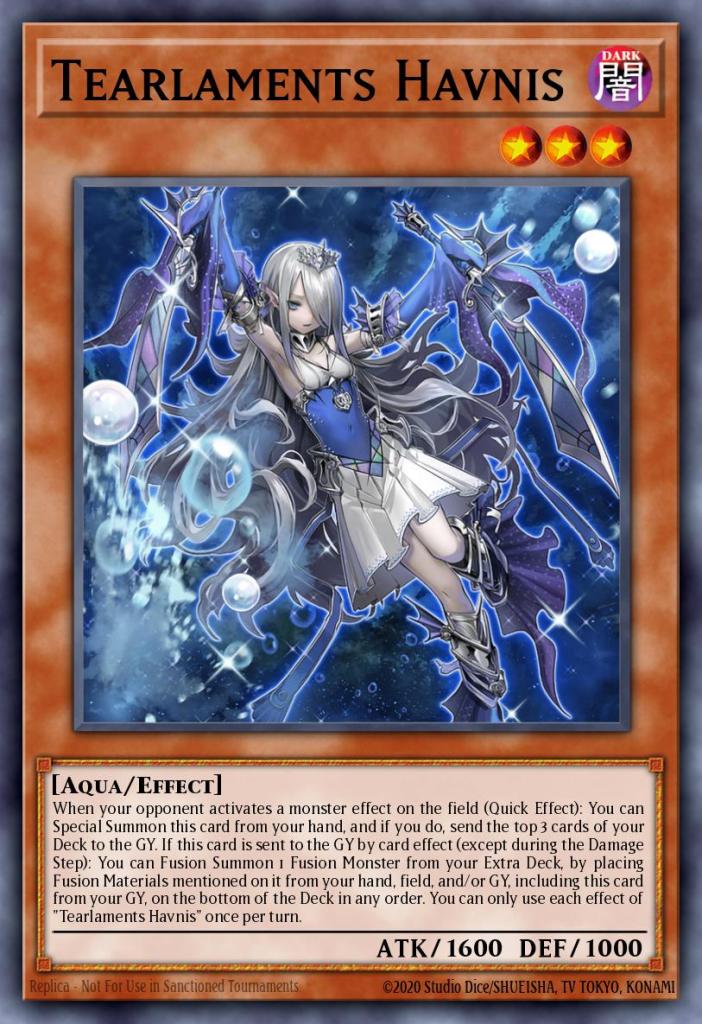
“When your opponent activates a monster effect on the field (Quick Effect): You can Special Summon this card from your hand, and if you do, send the top 3 cards of your Deck to the GY”
“Special Summon 1 “Blue-Eyes White Dragon” from your hand or GY”

“Special Summon 1 “Maliss” monster from your Deck, or if your opponent controls 3 or more cards, you can Special Summon 1 “Maliss” Link Monster from your Extra Deck instead”
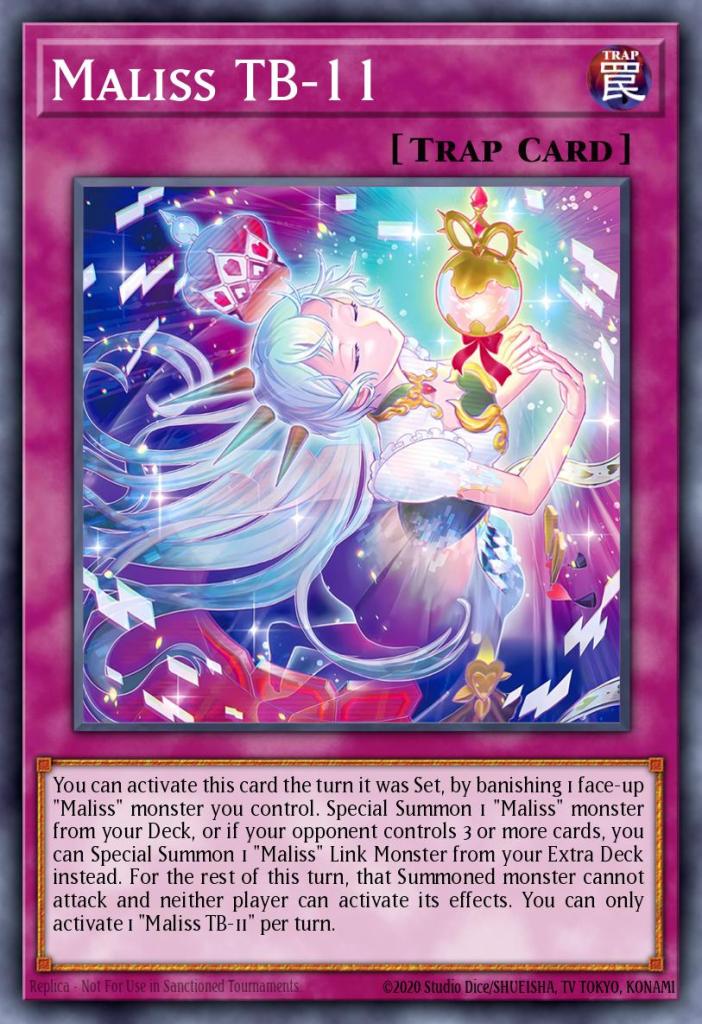
While the exact mechanics of each card is sightly different, the function of all of these effects is to summon either itself or another card to your field.
Inherent and Effect Special Summons
Special Summons can also be broken down into whether they activate an effect to start a chain or not. Special Summons that do not start a chain are commonly referred to as “Inherent Summons”, though this is not an official term.
Inherent Summon:
A Special Summon that does not require an effect to ACTIVATE for the Special Summon to occur.
- This will seem odd to everyone at first, but it can be thought of as a passive Special Summon that is ALLOWED to happen rather than FORCED to happen.
- The example that I use for this is a hydro dam. If the dam is closed, nothing will happen, but for water to flow downhill, all you have to do is let it happen. You do not need to make water run down a hill; it will do it on its own.
- An inherent Special Summon will have no colon (:) in its text. A colon indicates that the efect requires activation
Example: Cupsy☆Yummy
- “If you control a Link-1 monster or a Level 2 Synchro Monster, you can Special Summon this card (from your hand)”
- There is no colon (:) in this effect, so it does not start a chain. You do not need to MAKE it happen, you only need to ALLOW it to happen.
The following Extra Deck Summons are also inherent summons
- Synchro Summons
- XYZ Summons
- Link Summons
Effect Summon:
A Special Summon that DOES require an effect to activate for the special summon to occur.
- The example for this is the opposite of the hydro dam, letting water run down a hill. For this example, you are now having to pump water up a hill. With the previous example, you only had to ALLOW the Special Summon to happen; for this example, you have to FORCE IT to happen.
- This effect will have a colon (:) in its text, indicating that the effect activates and starts a chain.
Example: Marshmao☆Yummy
- “If you control no monsters, or all monsters you control are LIGHT Beast monsters: You can Special Summon this card from your hand”
- Note that, unlike the example of Cupsy☆Yummy, this effect DOES have a colon (:), indicating that the effect activates.
Fusion Summons from the Extra Deck are usually Effect Summons because they require a Card Effect to perform the summon. There are some Fusion Monsters that can be Special Summoned from the Extra Deck by alternate summoning conditions, but these are considered a (Inherent) Special Summon rather than a Fusion Summon. Examples of these are:
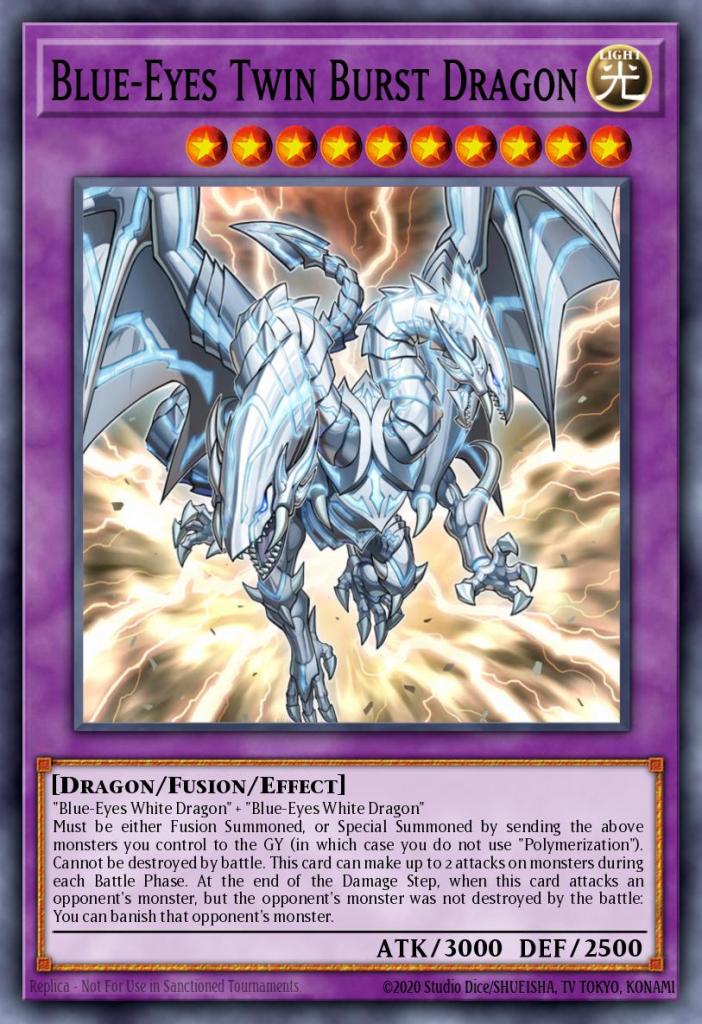
“Must be either Fusion Summoned, or Special Summoned by sending the above monsters you control to the GY (in which case you do not use “Polymerization”)”
“Must first be either Fusion Summoned, or Special Summoned from your Extra Deck by Tributing 1 “Blue-Eyes White Dragon” equipped with a Fusion Monster”

Pendulum Summon
Pendulum cards are their own category of hybrid cards (half green/spell, half orange/monster) stored in the Main Deck. They can be summoned as monsters or activated as Spells to “scale” in the Pendulum Zones (the leftmost and rightmost Spell/Trap Zones).
The Scales:
Each card has a “Scale” number (e.g., Scale 1 or Scale 8). To Pendulum Summon, you must activate two Pendulum cards with different scales in your Pendulum Zones. Once per turn, you can Special Summon any number of monsters from your Hand or face-up Extra Deck with Levels between the two Scale numbers.
- Example: Scale 1 and Scale 8 allows summoning Levels 2 through 7.
The “Face-Up” Rule:
If a Pendulum Monster on the field (Monster Zone or Pendulum Zone) would be sent to the GY, it is placed face-up in the Extra Deck instead. If sent from hand, Deck, or as Xyz Material, it goes to the GY normally.
Placement Rules:
- From Hand: Can be summoned to any Main Monster Zone.
- From Extra Deck: Must be summoned to an Extra Monster Zone or a Main Monster Zone a Link Monster points to.
The Extra Deck
Fusion Summoning:
You generally need a Fusion Effect (Monster, Spell or Trap Effect) to perform a Fusion Summon. You must send the Fusion Material Monsters listed on the Fusion Monster Card from your hand or field to the GY.
- Modern: Many archetypes have dedicated “Fusion Spells” that allow using materials from the Deck or GY.
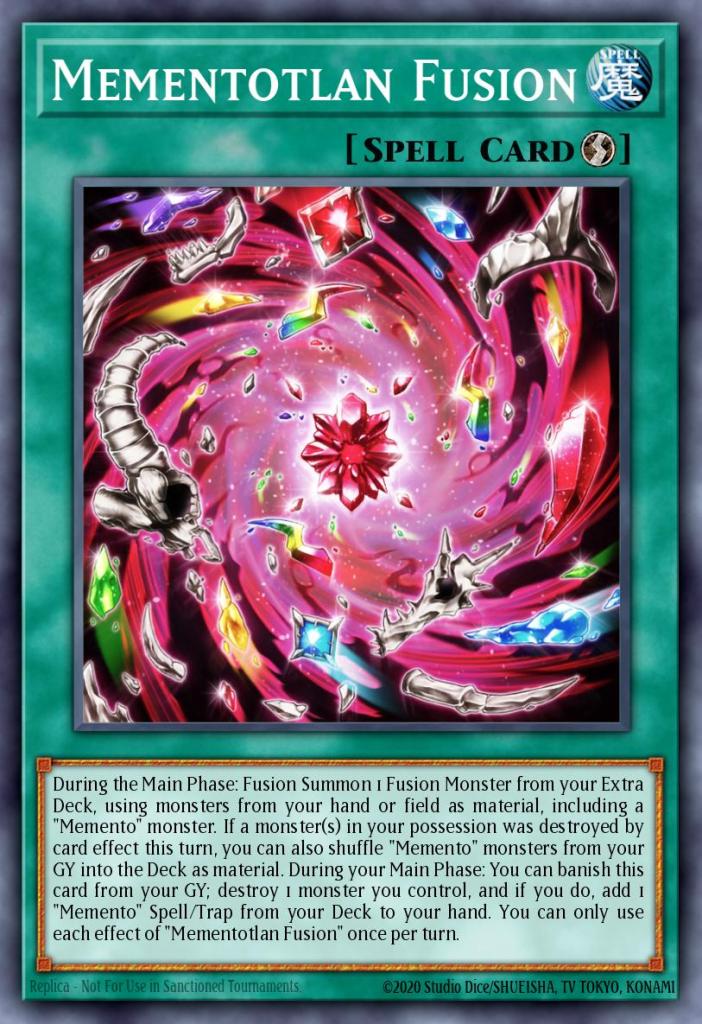
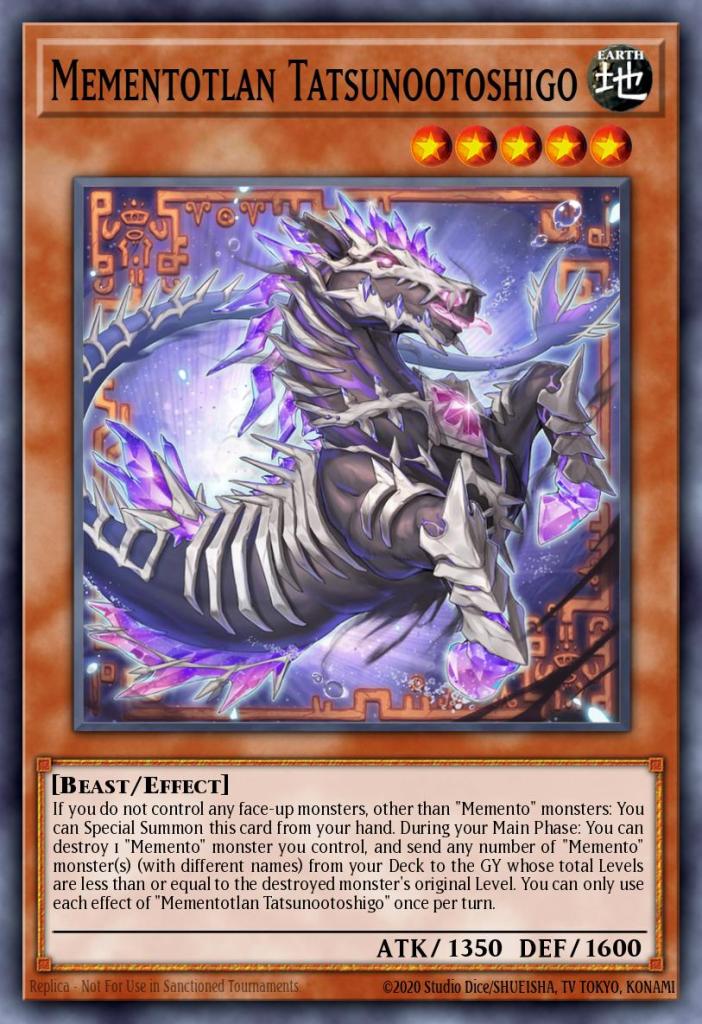
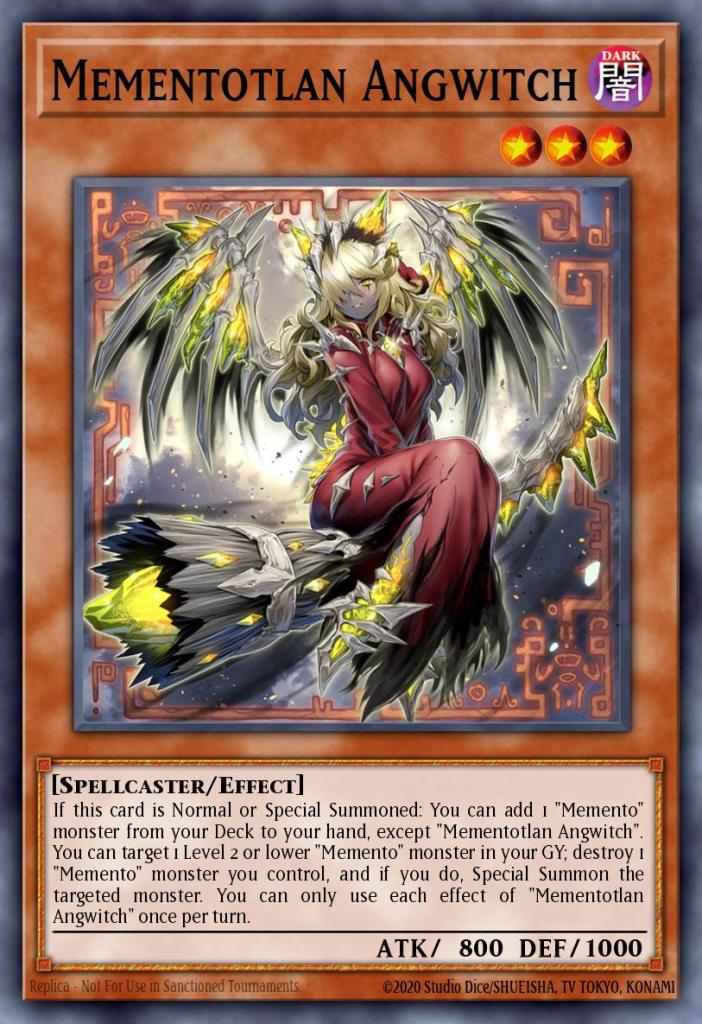
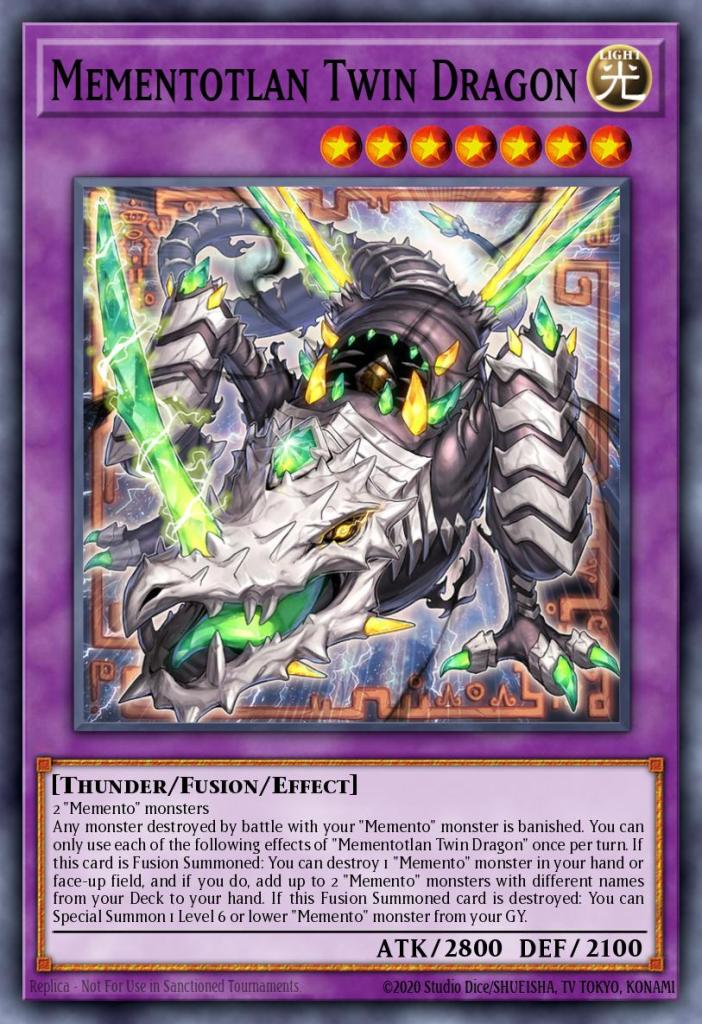
An example of a Synchro Summon would be to use Mementotlan Fusion‘s effect using Mementotlan Tatsunootoshigo and Mementotlan Angwitch to Fusion Summon Mementotlan Twin Dragon
Synchro Summoning:
You need 1 Tuner and 1 or more non-Tuner monsters face-up on your field. The total Levels of the materials must exactly match the Level of the Synchro Monster you are summoning. Send the materials to the GY.
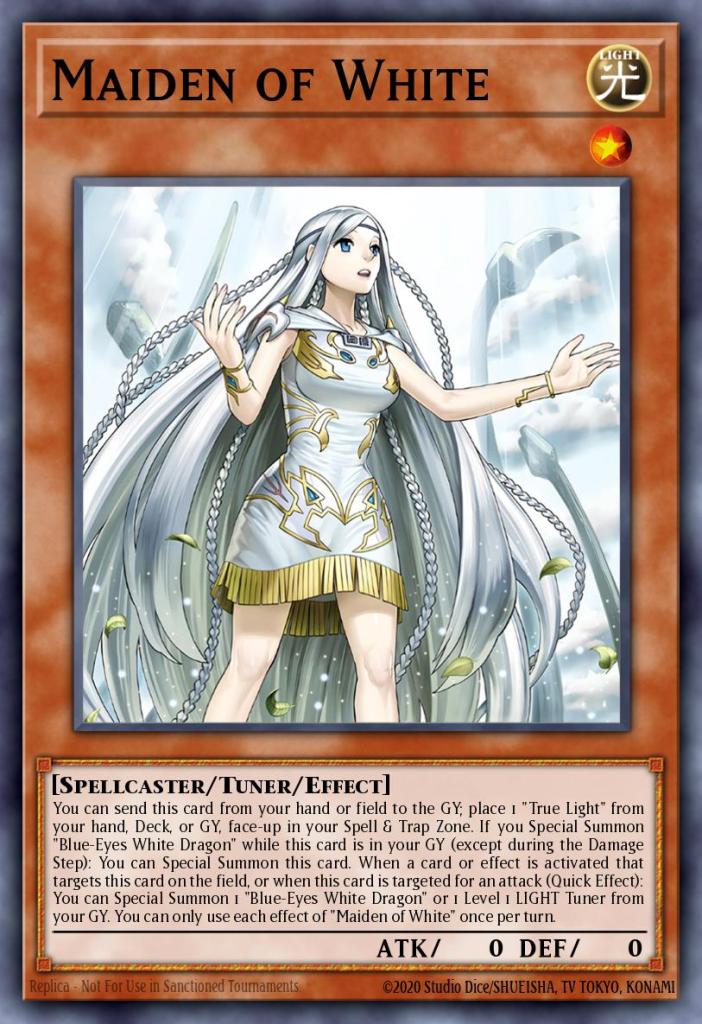
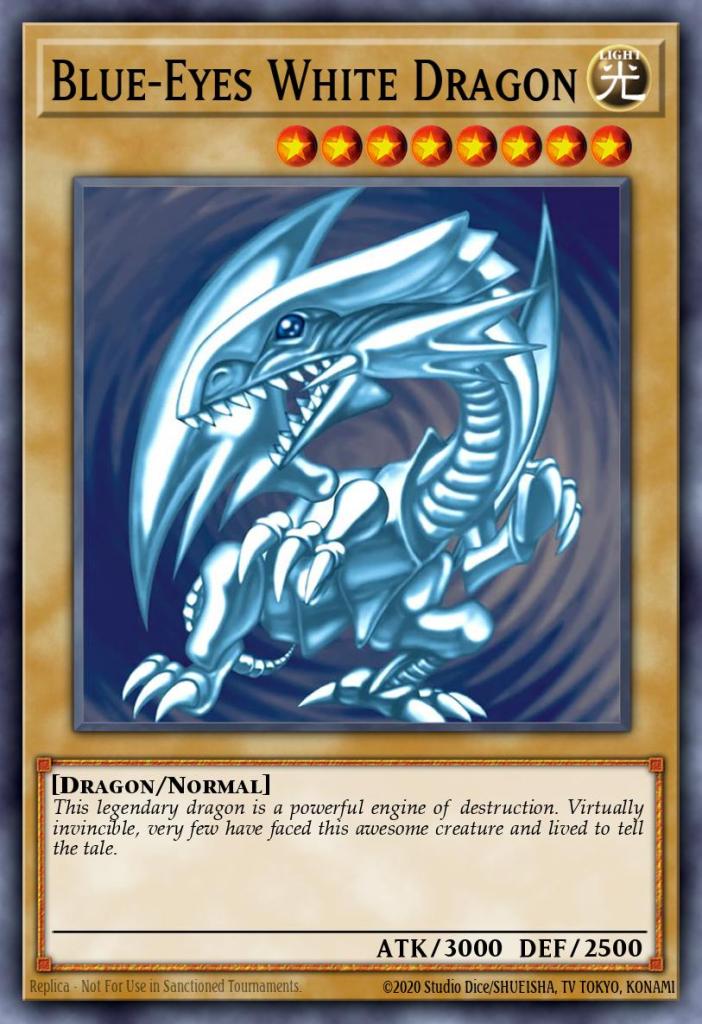
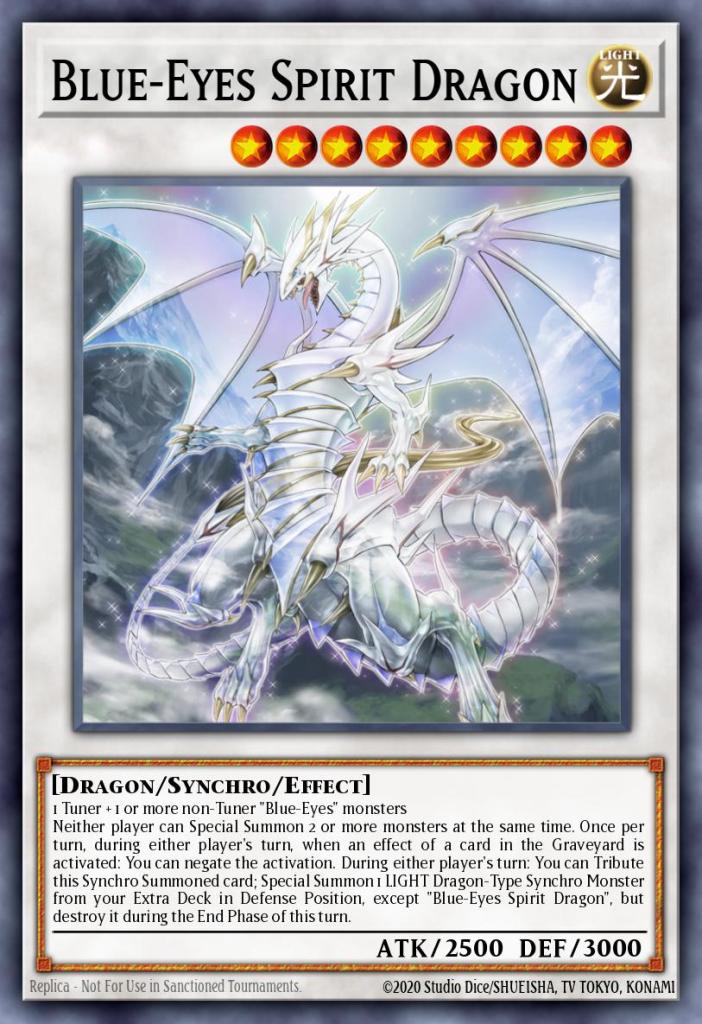
An example of a Synchro Summon would be to use Maiden of White (Level 1, Light, Tuner) and Blue-Eyes White Dragon (Level 8, Light) from your field to Synchro Summon Blue-Eyes Spirit Dragon (Level 9, Synchro)
Xyz Summoning:
You need 2 or more face-up monsters of the same Level to perform an XYZ summon unless otherwise stated. Some XYZ monsters are generic, meaning any monsters of that level can be used. Others will require specific monsters from a certain archetype. Stack the materials on top of each other, then place the Xyz Monster from your Extra Deck on top of the stack. Xyz Monsters have Ranks, not Levels.
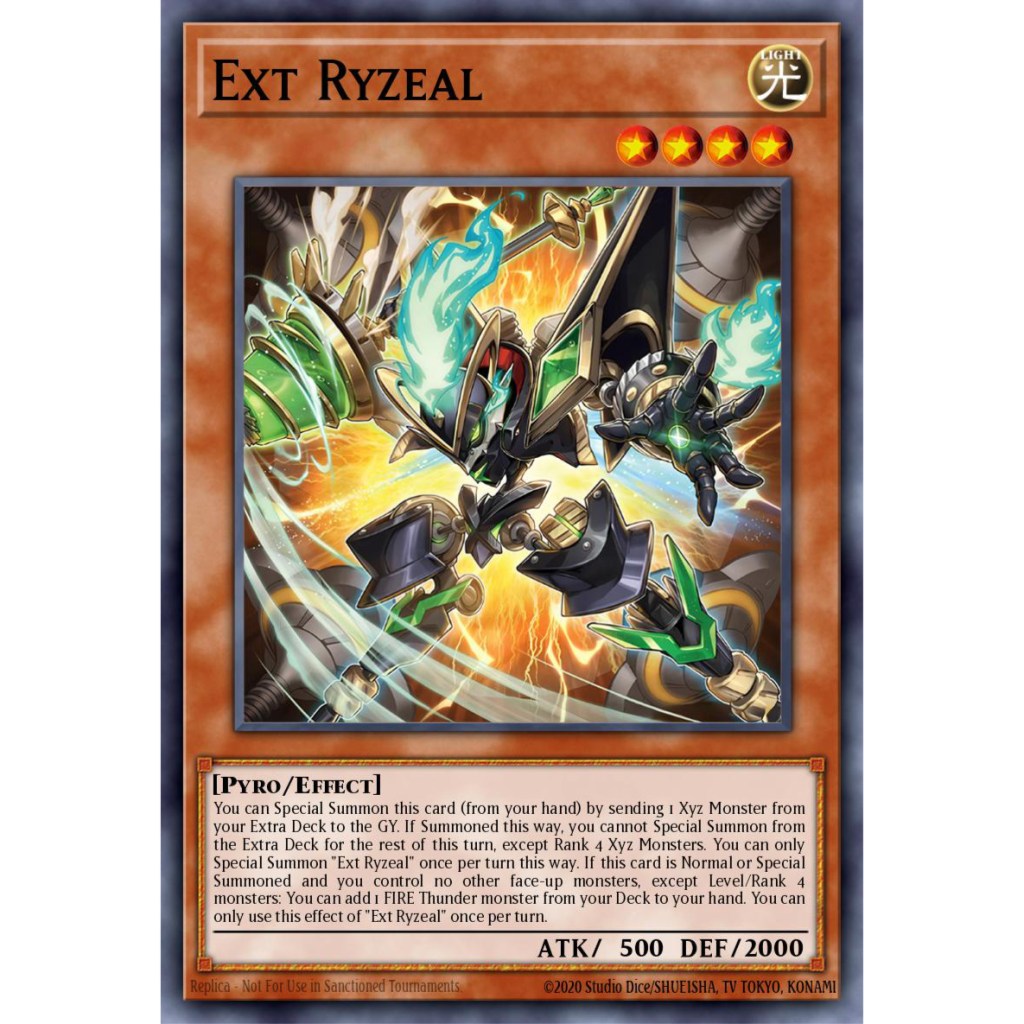
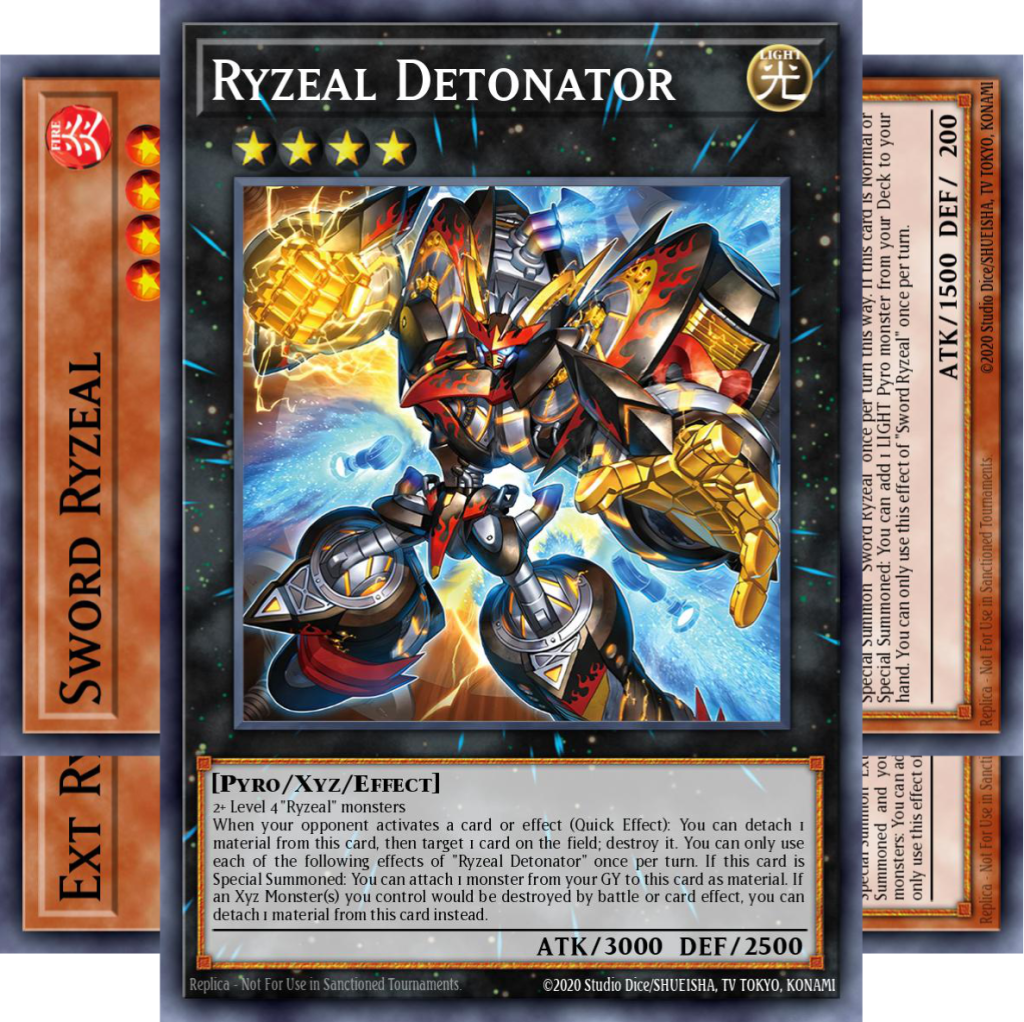
An example of an XYZ Summon would be to use Sword Ryzeal (Level 4) and Ext Ryzeal (Level 4) from your field to XYZ summon Ryzeal Detonator (Rank 4, requiring 2 level 4 Ryzeal Monsters)

Link Summoning:
Send face-up monsters to the GY equal to the Link Rating (LINK-#) of the monster you want to summon. You must also meet the material requirements listed on the card (e.g., “2+ Effect Monsters”). A Link Monster can be treated as 1 material OR as materials equal to its own Link Rating.
Placement Rule:
The first Link Monster you summon from the Extra Deck must be placed in an Extra Monster Zone (EMZ). Any subsequent Link Monsters summoned from the Extra Deck must be placed in a Main Monster Zone that another Link Monster points to with its arrows.
- Strategy (Arrow Management): If you summon a monster like S:P Little Knight (Arrows: Left, Right) into the EMZ, its arrows do not point to any of your own Main Monster Zones. You cannot summon another Link Monster from the Extra Deck until you use S:P Little Knight as material to clear the EMZ or summon a monster that provides downward arrows.
- Modern: The most generic mechanic. Any effect monster can be turned into a Link-1 or Link-2. This is used to put monsters in the GY to trigger their effects (“Link Climbing”) or to clear your own board to make space.
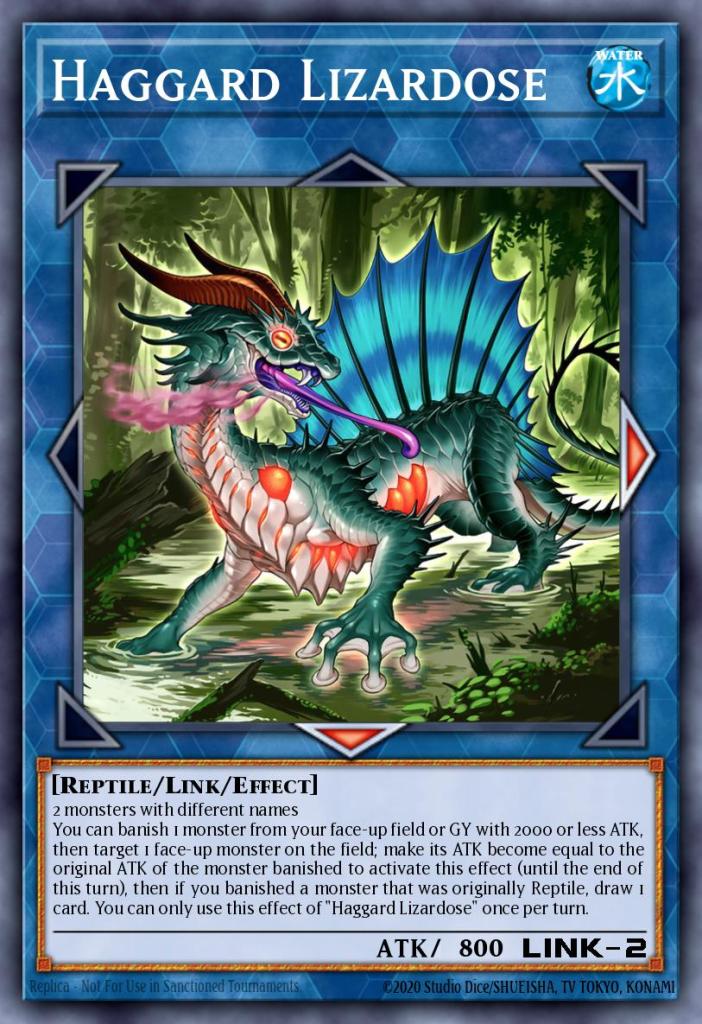
An example of a Link Summon would be to use Haggard Lizardose (Link-2 Monster, using this as 2 Link materials) and Maliss Dormouse (using this as 1 link material) from your field to Link Summon Maliss Red Ransom (Link-3 Monster)

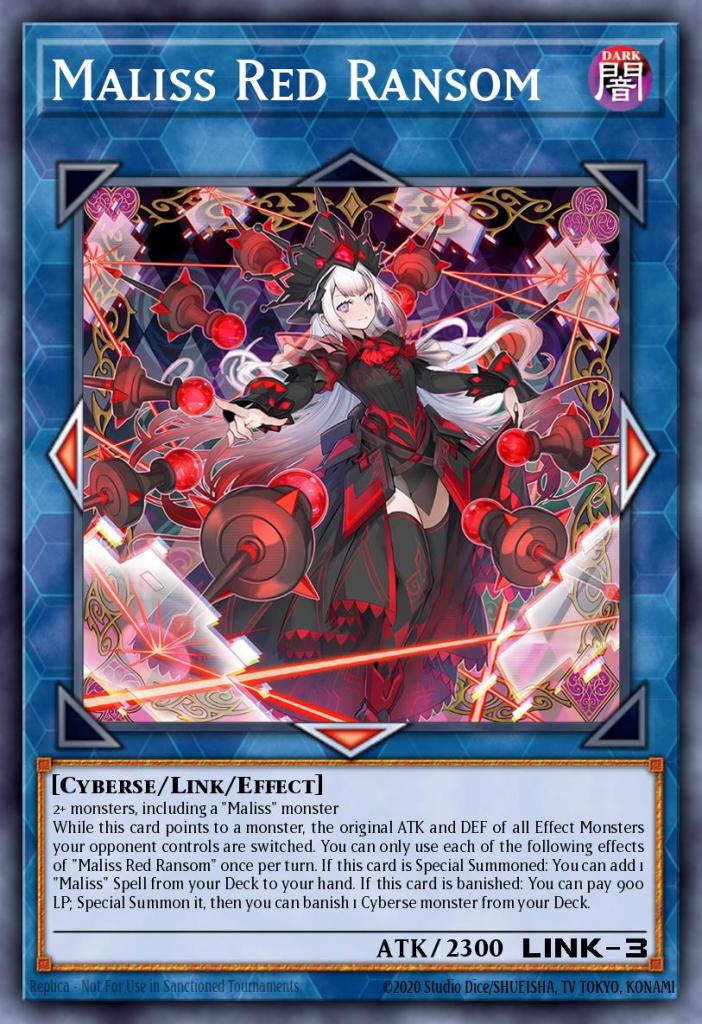
Take note of how Maliss Red Ransom has a red arrow pointing down. If Maliss Red Ransom is the only monster on the Field, it must be placed in the Extra Monster Zone. Any subsequent Link Monsters must be Link Summoned to a Monzter Zone that another Link Monster points to. In this case, another Link Monster can be Link summoned to the Main Monster Zone directly below Maliss Red Ransom.
By contrast, Maliss White Binder does not have an arrow pointing down. This means that no further Link Summons can be performed unless Maliss White Binder is used as a material for the Link Summon to empty the Extra Monster Zone.
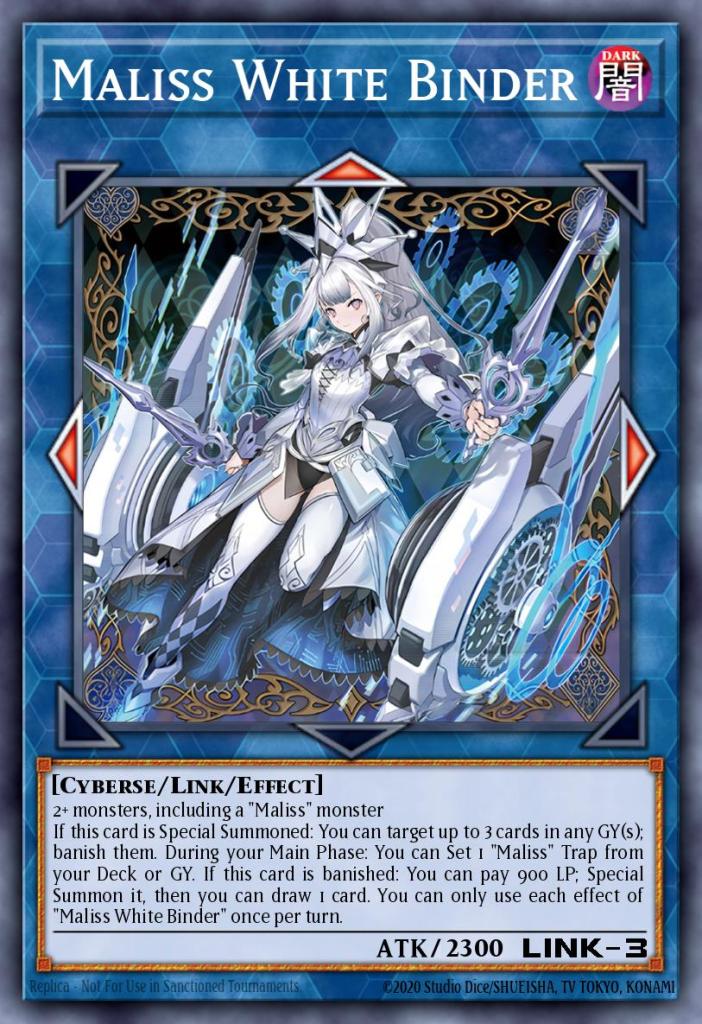
This issue is demonstrated in the images below:

Take note of how Maliss Red Ransom has a red arrow pointing down. If Maliss Red Ransom is the only monster on the Field, it must be placed in the Extra Monster Zone. Any subsequent Link Monsters must be Link Summoned to a Monzter Zone that another Link Monster points to. In this case, another Link Monster can be Link summoned to the Main Monster Zone directly below Maliss Red Ransom. 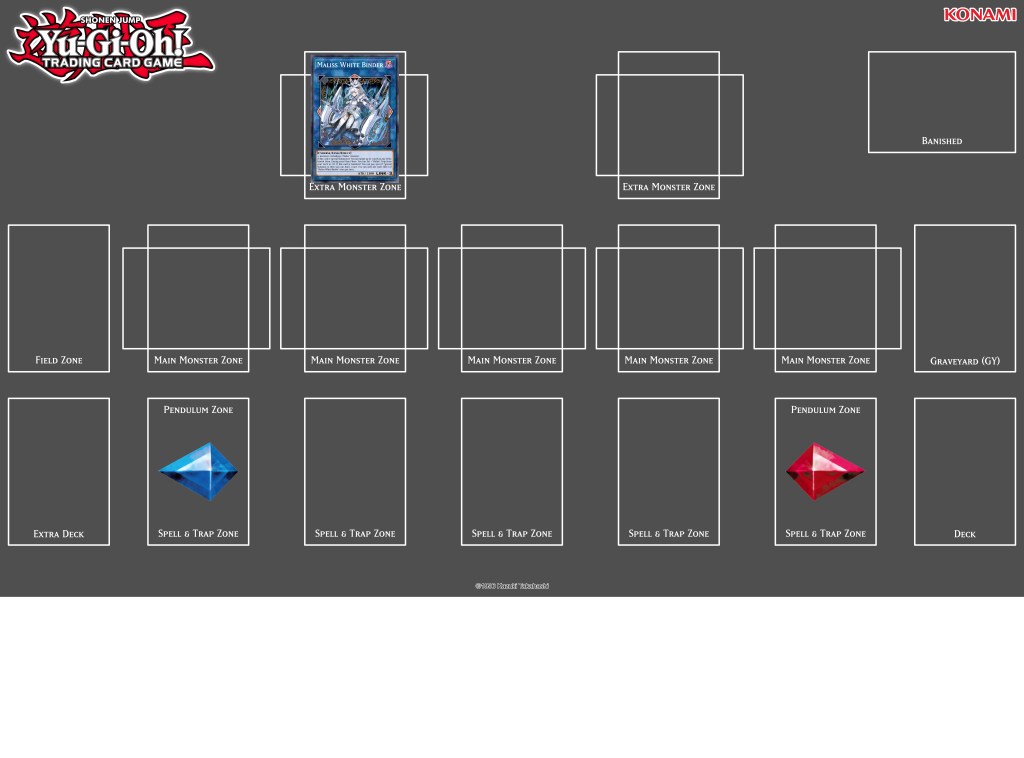
By contrast, Maliss White Binder does not have an arrow pointing down. This means that no further Link Summons can be performed unless Maliss White Binder is used as a material for the Link Summon to empty the Extra Monster Zone.


Leave a Reply