

Mastering Spell Speed mechanics allows you to understand how chains interact.
Spell Speeds
Spell Speed 1 (Slow Effects)
- Types: Normal Spells, Field Spells, Ritual Spells, Equip Spells, Ignition Effects (Monster), Trigger Effects (Monster).
- Mechanics: These are the slowest effects in the game. You can only activate them during your own Main Phase (except for Trigger Effects) and only when the game state is “open” (no other chain is building). They cannot be chained to other cards.
Spell Speed 2 (Fast Effects)
- Types: Quick-Play Spells, Normal Traps, Continuous Traps, Quick Effects (Monsters).
- Mechanics: These effects can be activated during either player’s turn. You can activate them in response to a Spell Speed 1 or another Spell Speed 2 effect to build a Chain.
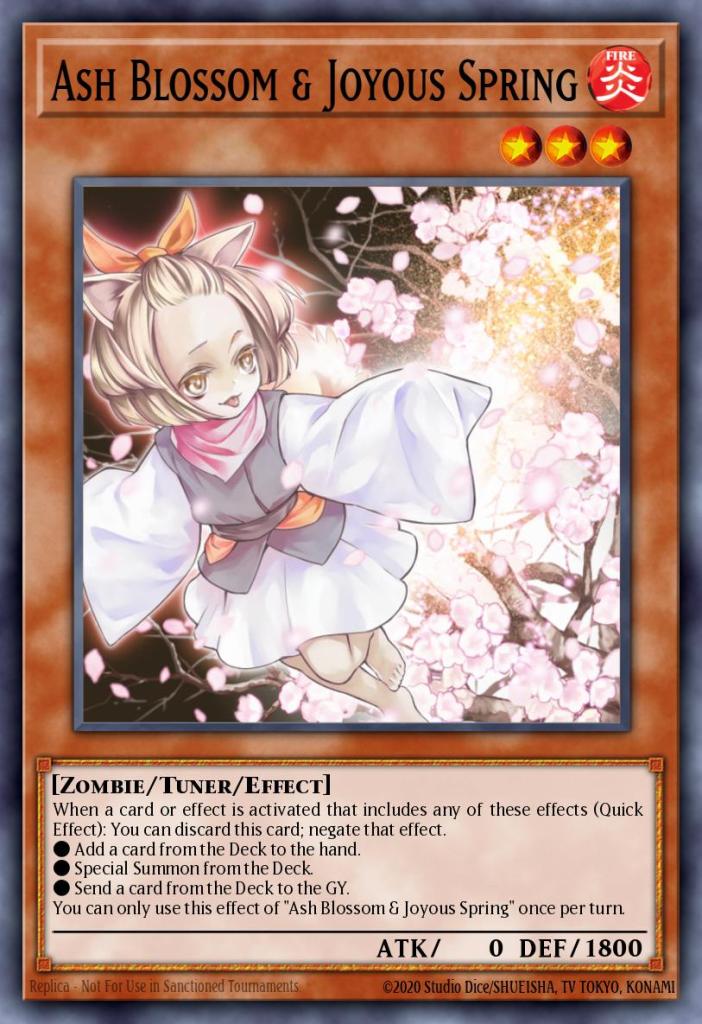
- Modern Usage: This is the primary speed of “Interaction” on your opponent’s turn. Quick Effects on monsters (like Ash Blossom & Joyous Spring) allow you to disrupt the opponent on their turn. Quick-Play Spells (like Called by the Grave) are versatile because they can be played from hand on your turn to protect your combo, or set on the field to disrupt the opponent on their turn.
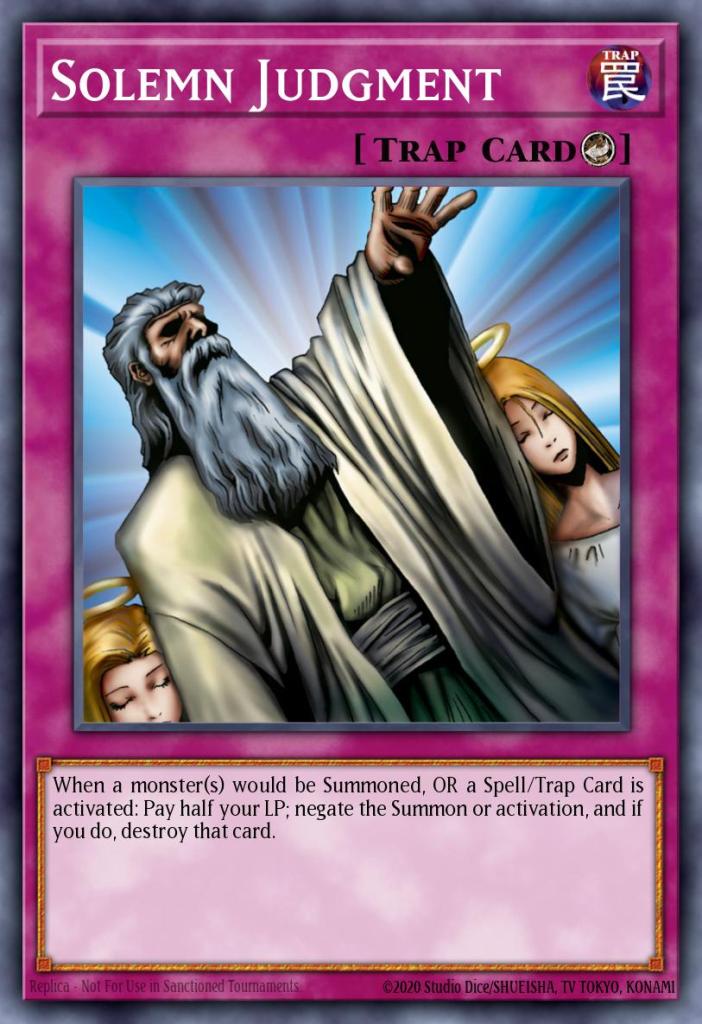
Spell Speed 3 (Counter Traps)
- Types: Counter Traps.
- Mechanics: These are the fastest effects. Once a Counter Trap is activated, players can only respond with other Counter Traps. Spell Speed 2 effects (like Monster Quick Effects) cannot respond to Spell Speed 3.

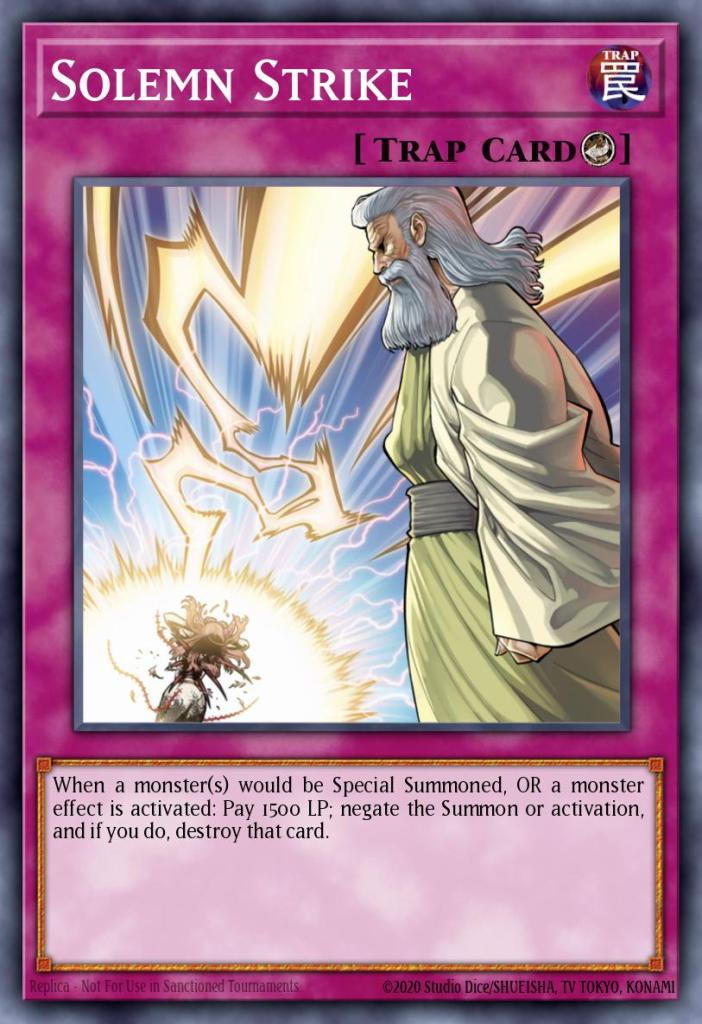
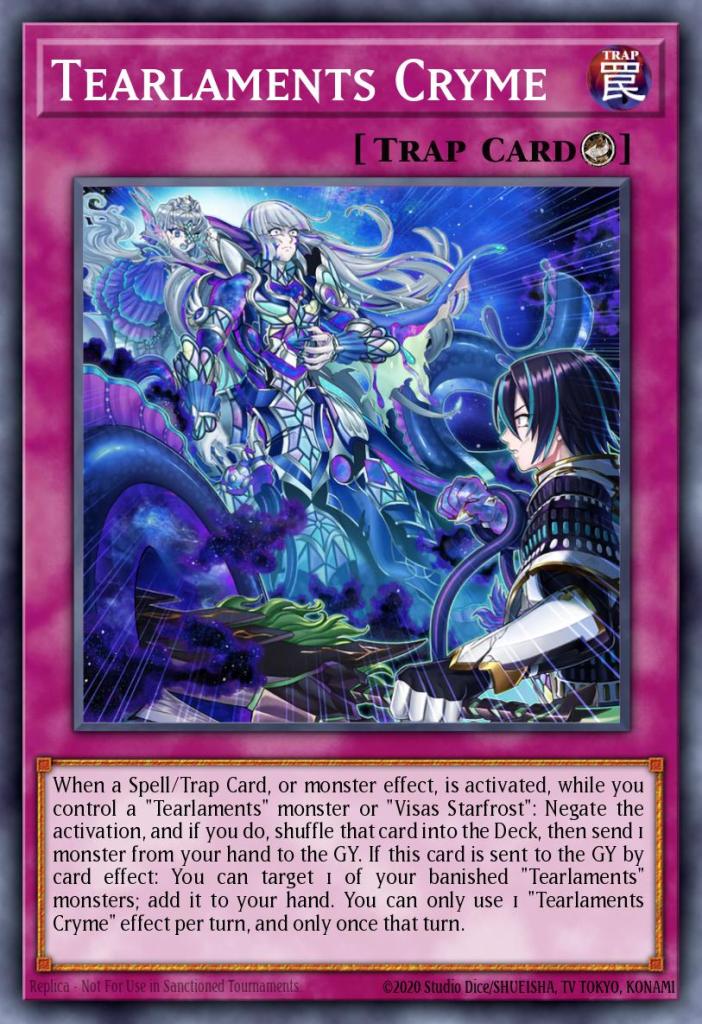
Monster Effect Classifications:
Understanding the specific type of monster effect is crucial for timing and chaining.
Ignition Effects:
- Speed: Spell Speed 1.
- Mechanic: You must manually activate these during your Main Phase when the game state is open. These do not automatically trigger when they are summoned.
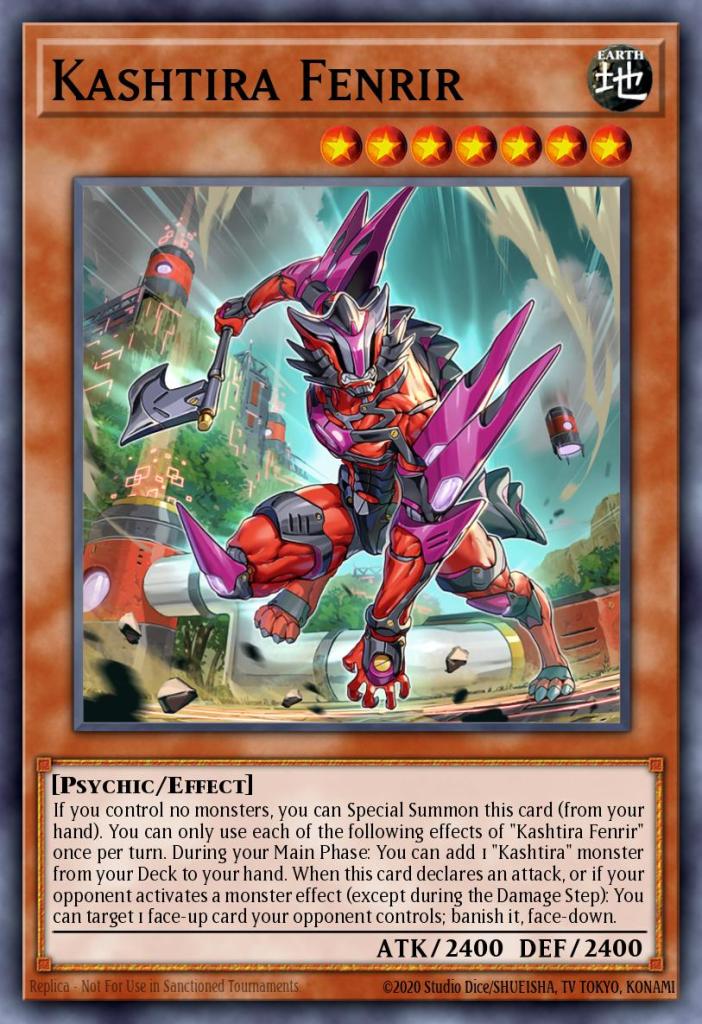
- Example: Kashtira Fenrir
- “During your Main Phase: You can add 1 “Kashtira” monster from your Deck to your hand”
Trigger Effects:
- Speed: Spell Speed 1.
- Mechanic: These activate automatically (or offer the option to activate) when a specific condition is met, such as being Summoned, sent to the GY, or the start of a Phase. Unlike Ignition effects, these can activate during the opponent’s turn if the condition is met.
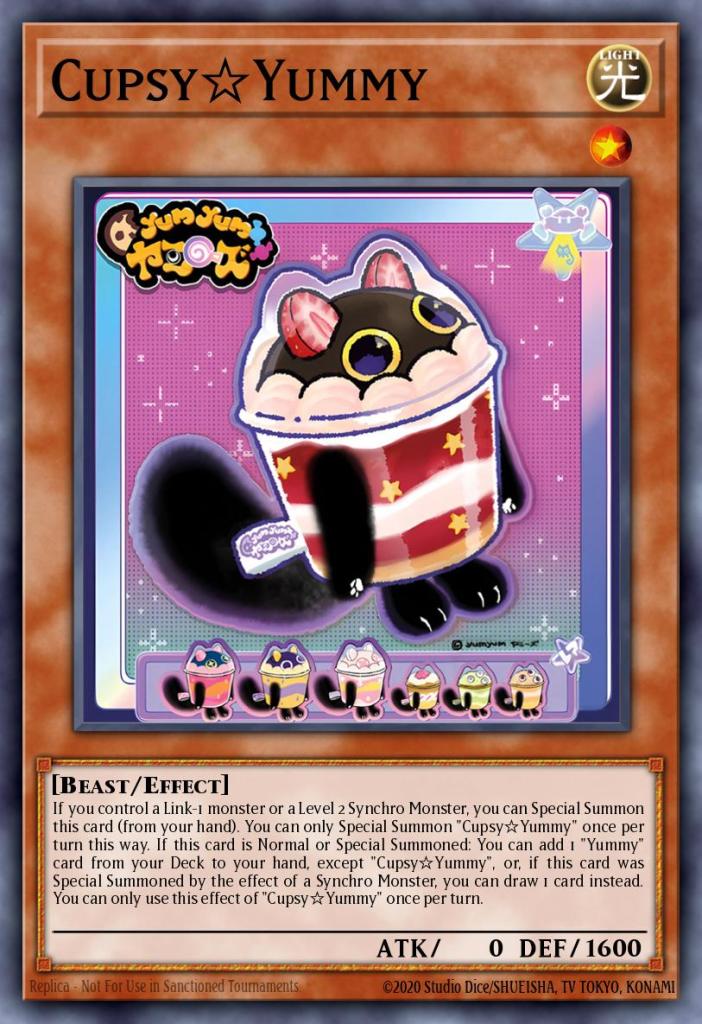
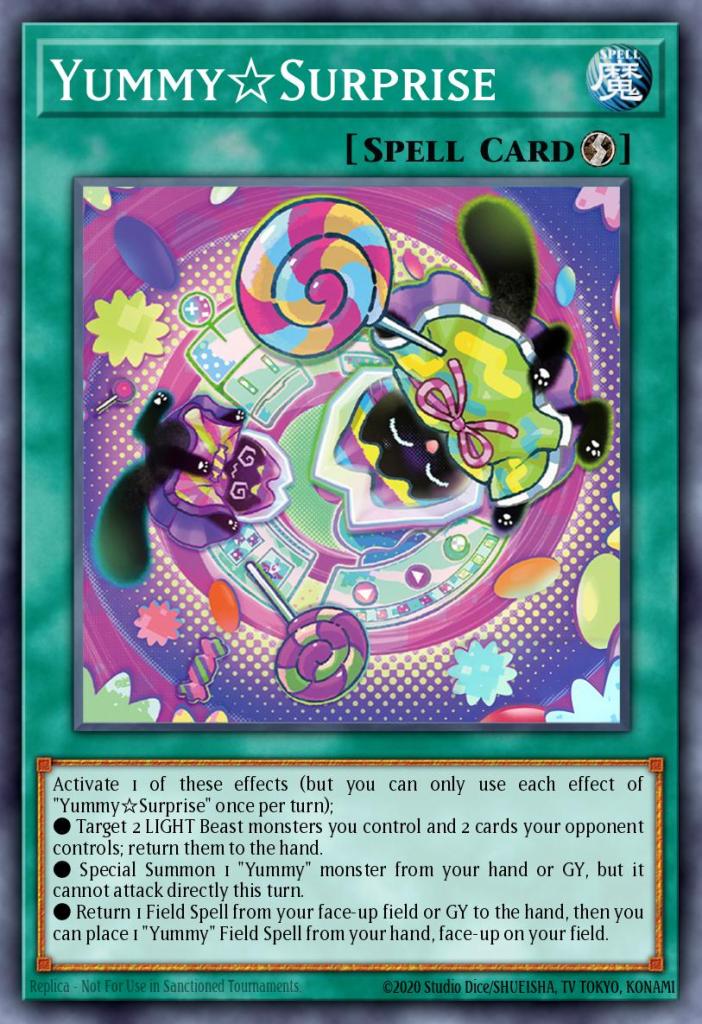
- Example: Cupsy☆Yummy
- “If this card is Normal or Special Summoned: You can add 1 “Yummy” card from your Deck to your hand, except “Cupsy☆Yummy”, or, if this card was Special Summoned by the effect of a Synchro Monster, you can draw 1 card instead”

Quick Effects:
- Speed: Spell Speed 2.
- Mechanic: Can be activated during either player’s turn. Modern cards explicitly say “(Quick Effect)” in the text. Older cards might say “During either player’s turn.”
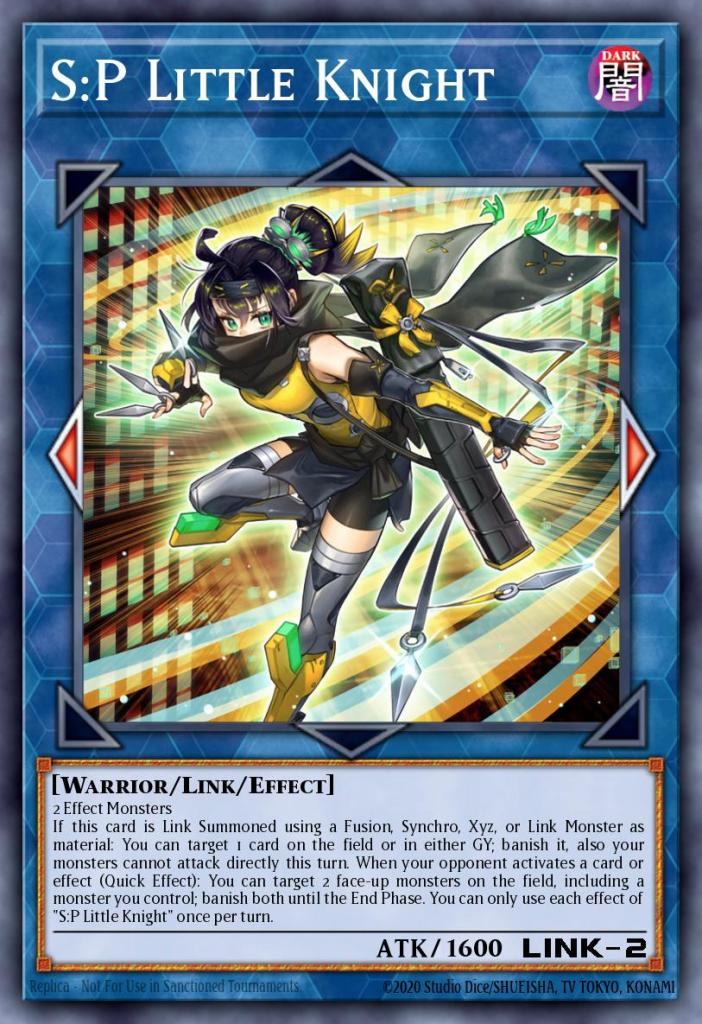
- Example: S:P Little Knight
- When your opponent activates a card or effect (Quick Effect): You can target 2 face-up monsters on the field, including a monster you control; banish both until the End Phase
Continuous Effects:
- Speed: N/A (Do not start a chain).
- Mechanic: These apply as soon as the monster is face-up on the field and stop applying immediately when it leaves or is flipped face-down. You cannot “chain” to a continuous effect because it doesn’t activate.
- Example: Super Starslayer TY-PHON – Sky Crisis
- “While this Xyz Summoned monster is on the field, neither player can activate the effects of monsters with 3000 or more ATK”

Lingering Effects:
While not a formal category, it is important for someone learning the game to understand that there are many cards, including monsters that do activate, then resolve an effect, and after resolution there is a continuous or “lingering” effect for a set period. It is also important to differentiate the continuous effects of monsters such as Super Starslayer TY-PHON – Sky Crisis who’s continuous effect does not activate or start a chain, and Continuous Spell and Trap cards which do activate to start a chain, and upon resolution of the effect, the continuous effect applies.
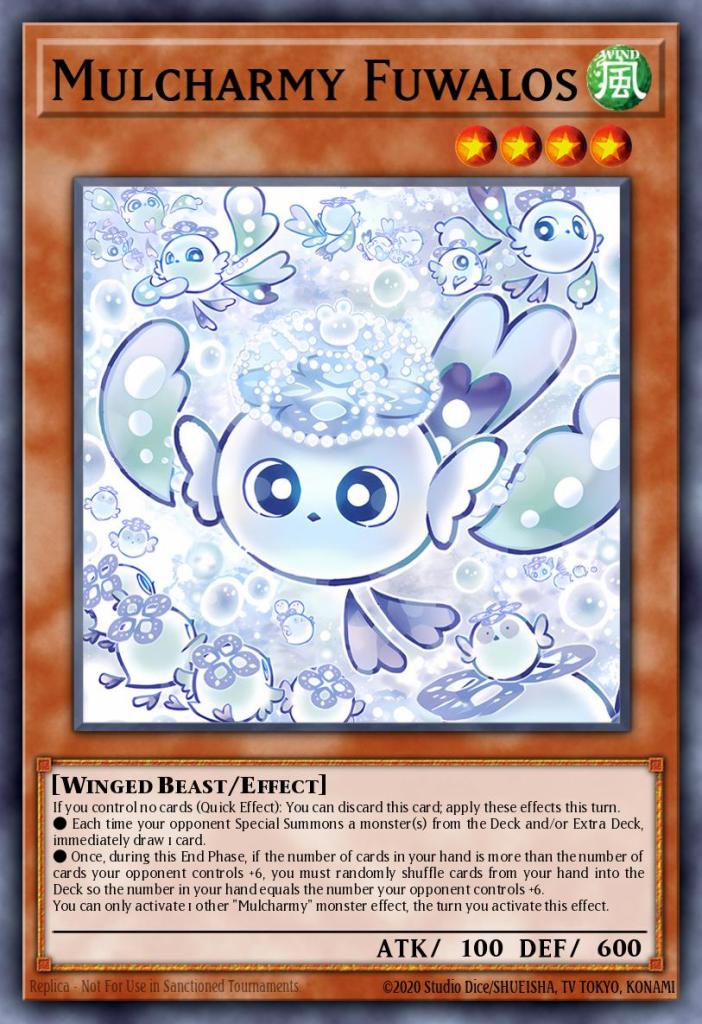
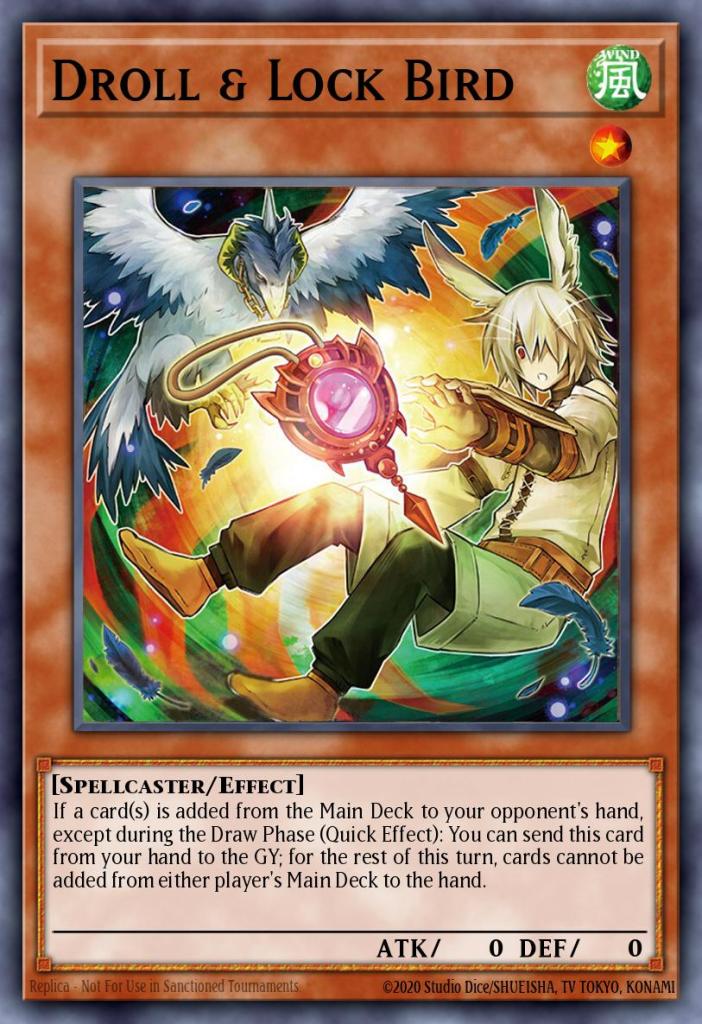
Examples of monsters that start a chain for a lingering effect are hand traps such as Droll & Lock Bird and Mulcharmy Fuwalos.
- Droll & Lock Bird: “If a card(s) is added from the Main Deck to your opponent’s hand, except during the Draw Phase (Quick Effect): You can send this card from your hand to the GY; for the rest of this turn, cards cannot be added from either player’s Main Deck to the hand.“
- Mulcharmy Fuwalos: “If you control no cards (Quick Effect): You can discard this card; apply these effects this turn.
- Each time your opponent Special Summons a monster(s) from the Deck and/or Extra Deck, immediately draw 1 card.”


Mandatory vs. Optional Effects
This distinction dictates the order of chains (SEGOC) and whether an effect can “miss timing.”
Mandatory Effects:
- Text: “When… : Do X” or “If… : Do X”. (Lacks “You can”).
- Rule: You must activate this effect if the condition is met, even if it hurts you or cannot be resolved.
- Priority: These always go on the chain first (Chain Link 1). If both players have mandatory effects, the Turn Player’s effects go first.
- Timing: Mandatory effects never miss timing.
- Example: Wulf, Lightsworn Beast

Optional Effects:
- Text: “You can…”
- Rule: You choose whether to activate this effect.
- Priority: These go on the chain after all mandatory effects have been placed.
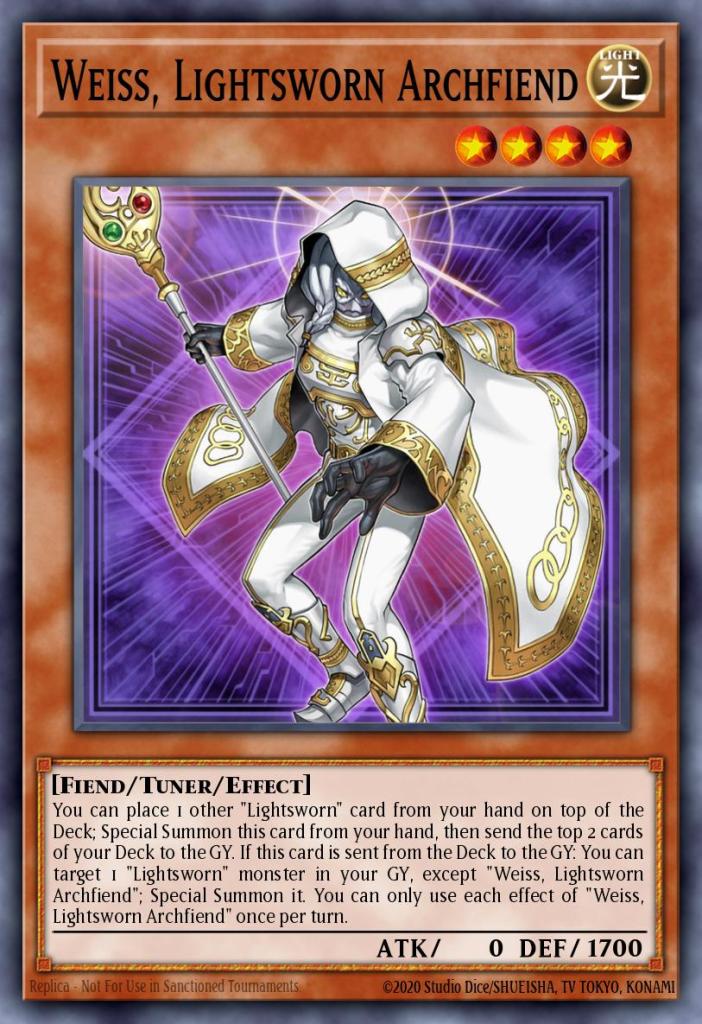
- Example: Weiss, Lightsworn Archfiend
- “If this card is sent from the Deck to the GY: You can target 1 “Lightsworn” monster in your GY, except “Weiss, Lightsworn Archfiend”; Special Summon it.”
- “If this card is sent from the Deck to the GY: You can target 1 “Lightsworn” monster in your GY, except “Weiss, Lightsworn Archfiend”; Special Summon it.”
Chaining & Resolution
Chains dictate the outcome when multiple cards activate in sequence.
Building the Chain:
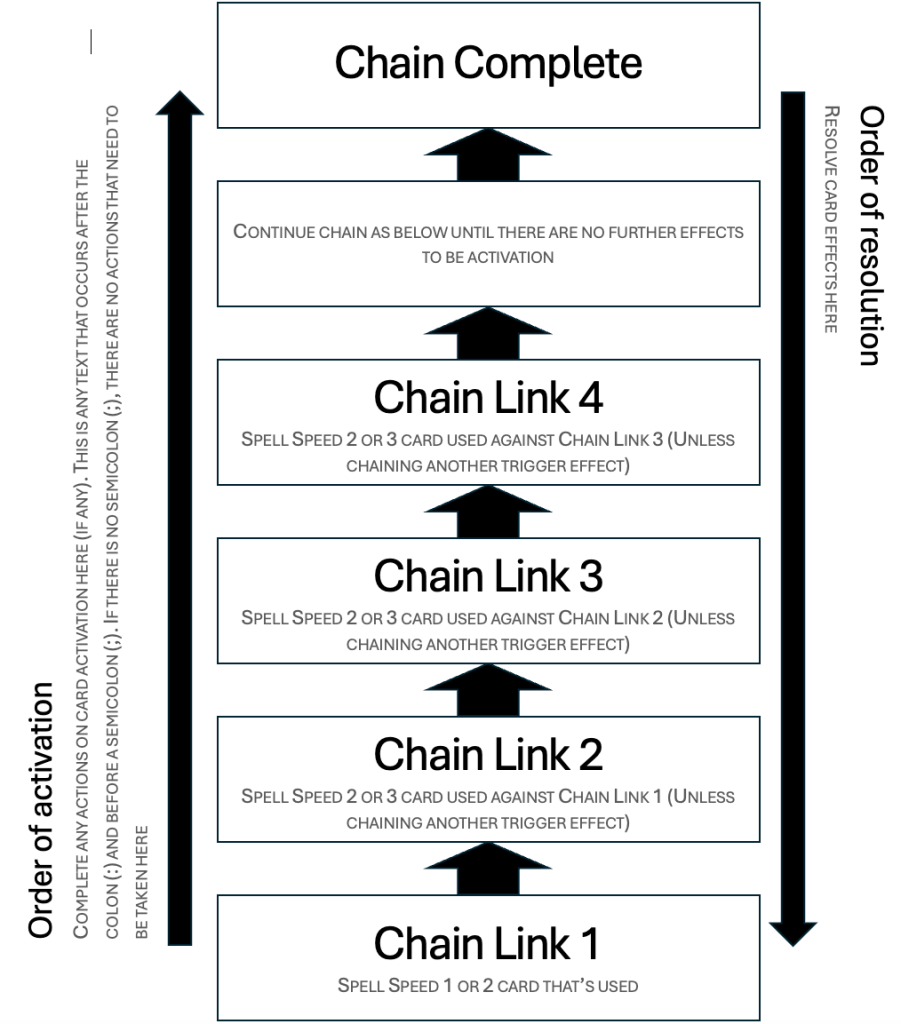
When a card activates (Chain Link 1), the opponent can respond with a Fast Effect (Chain Link 2). This sequence continues until both players pass.
Resolving the Chain:
Chains resolve in reverse order. The last card played applies its effect first.
- Example:
- Chain Link 1: You activate Cupsy☆Yummy
- “add 1 “Yummy” card from your Deck to your hand”
- Chain Link 2: Your opponent chains Ash Blossom & Joyous Spring, (discarding it to the graveyard on activation) to negate the effect of Cupsy☆Yummy.
- When a card or effect is activated that includes any of these effects (Quick Effect): You can discard this card; negate that effect.
● Add a card from the Deck to the hand.
● Special Summon from the Deck.
● Send a card from the Deck to the GY.
- When a card or effect is activated that includes any of these effects (Quick Effect): You can discard this card; negate that effect.
- Chain Link 3: You activate Called by the Grave, targeting Ash Blossom & Joyous Spring in your opponent’s Graveyard to banish and negate it.
- Target 1 monster in your opponent’s GY; banish it, and if you do, until the end of the next turn, its effects are negated
- Chain Link 4: Your opponent chains Ghost Belle & Haunted Mansion to negate the effect of Called by the Grave
- When a card or effect is activated that includes any of these effects (Quick Effect): You can discard this card; negate that activation.
● Add a card(s) from the GY to the hand, Deck, and/or Extra Deck.
● Special Summon a Monster Card(s) from the GY.
● Banish a card(s) from the GY.
- When a card or effect is activated that includes any of these effects (Quick Effect): You can discard this card; negate that activation.
- Resolution:
- Chain Link 4: Ghost Belle & Haunted Mansion resolves first, and its effect negates the activation of Called by the Grave.
- Chain Link 3: Called by the Grave‘s effect is negated, and its effect does not resolve
- Chain Link 2: Ash Blossom & Joyous Spring‘s effect resolves because Called by the Grave was negated
- Chain Link 1: Cupsy☆Yummy‘s effect is negated by Ash Blossom & Joyous Spring
- Chain Link 1: You activate Cupsy☆Yummy
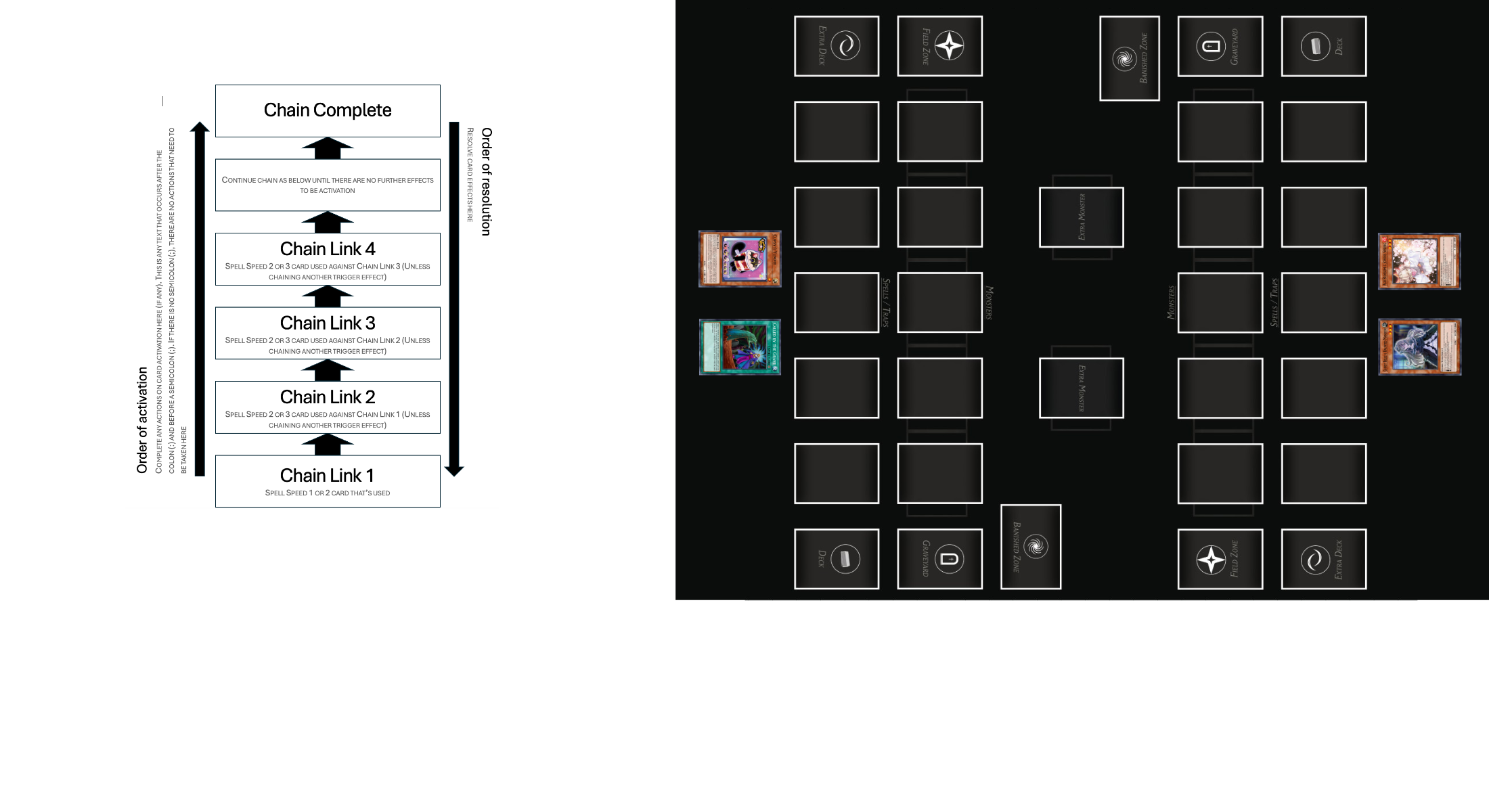
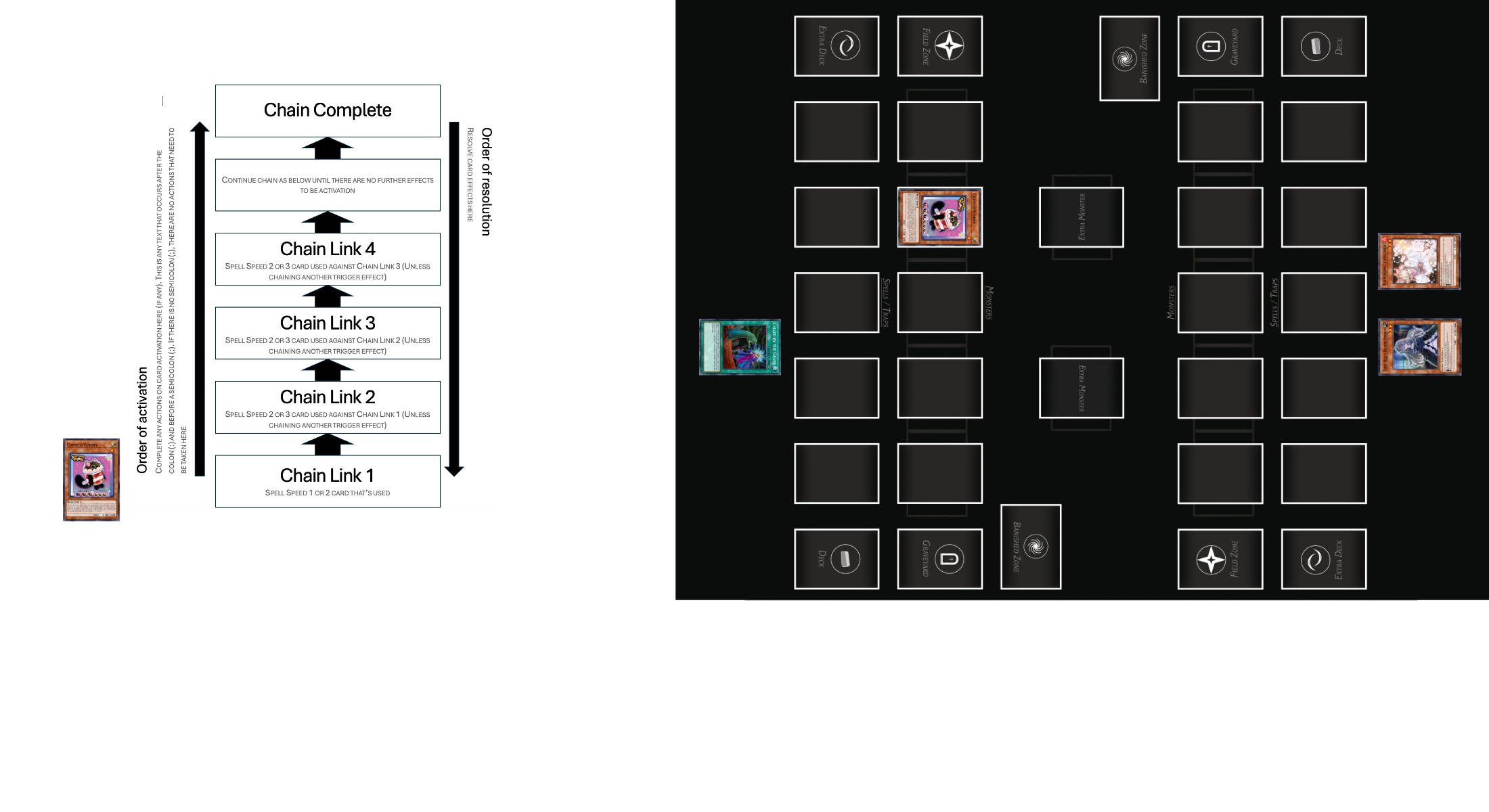
Chain Link 1: You activate Cupsy☆Yummy “add 1 “Yummy” card from your Deck to your hand” 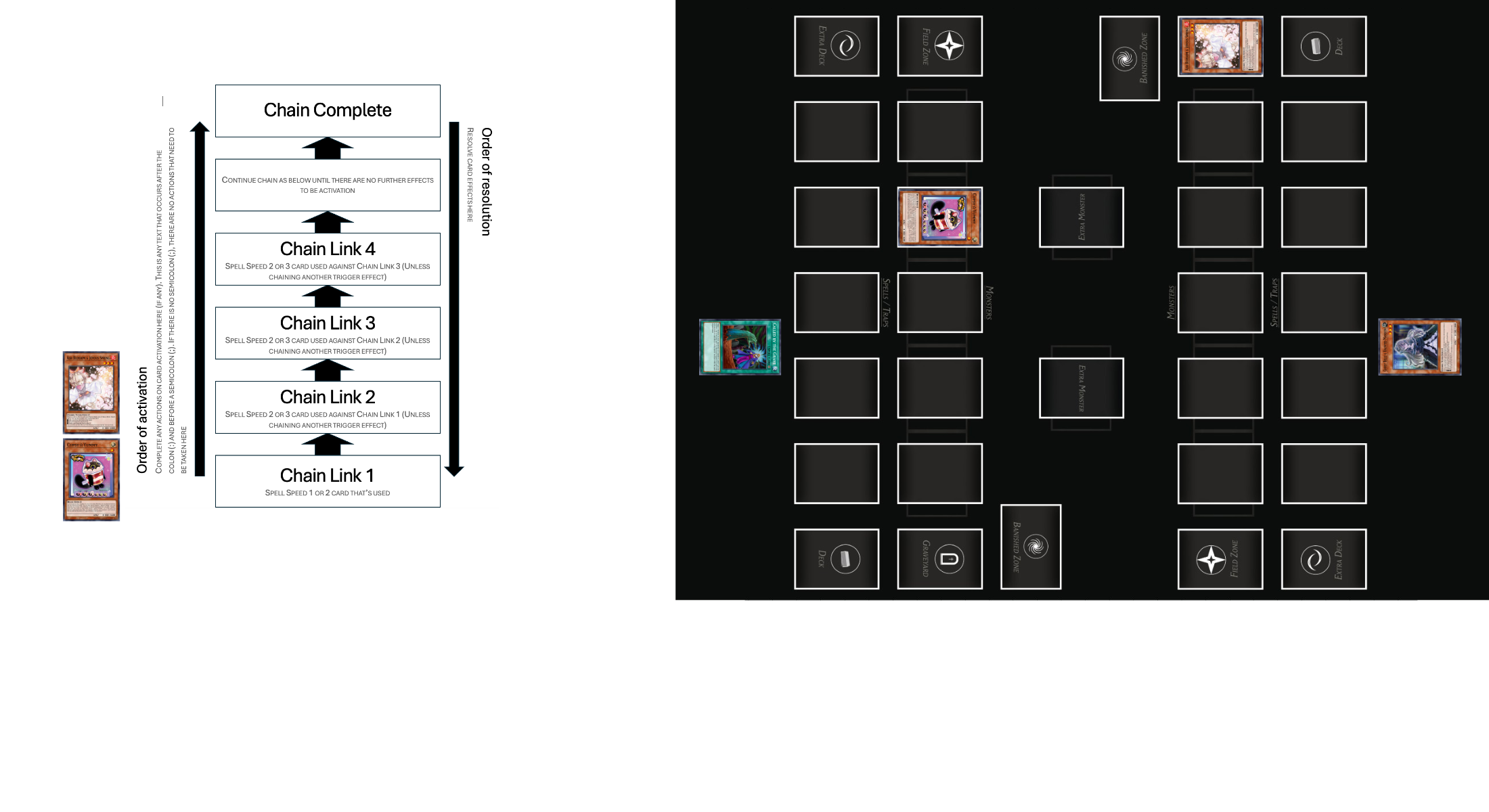
Chain Link 2: Your opponent chains Ash Blossom & Joyous Spring, (discarding it to the graveyard on activation) to negate the effect of Cupsy☆Yummy. When a card or effect is activated that includes any of these effects (Quick Effect): You can discard this card; negate that effect. ● Add a card from the Deck to the hand. ● Special Summon from the Deck. ● Send a card from the Deck to the GY. 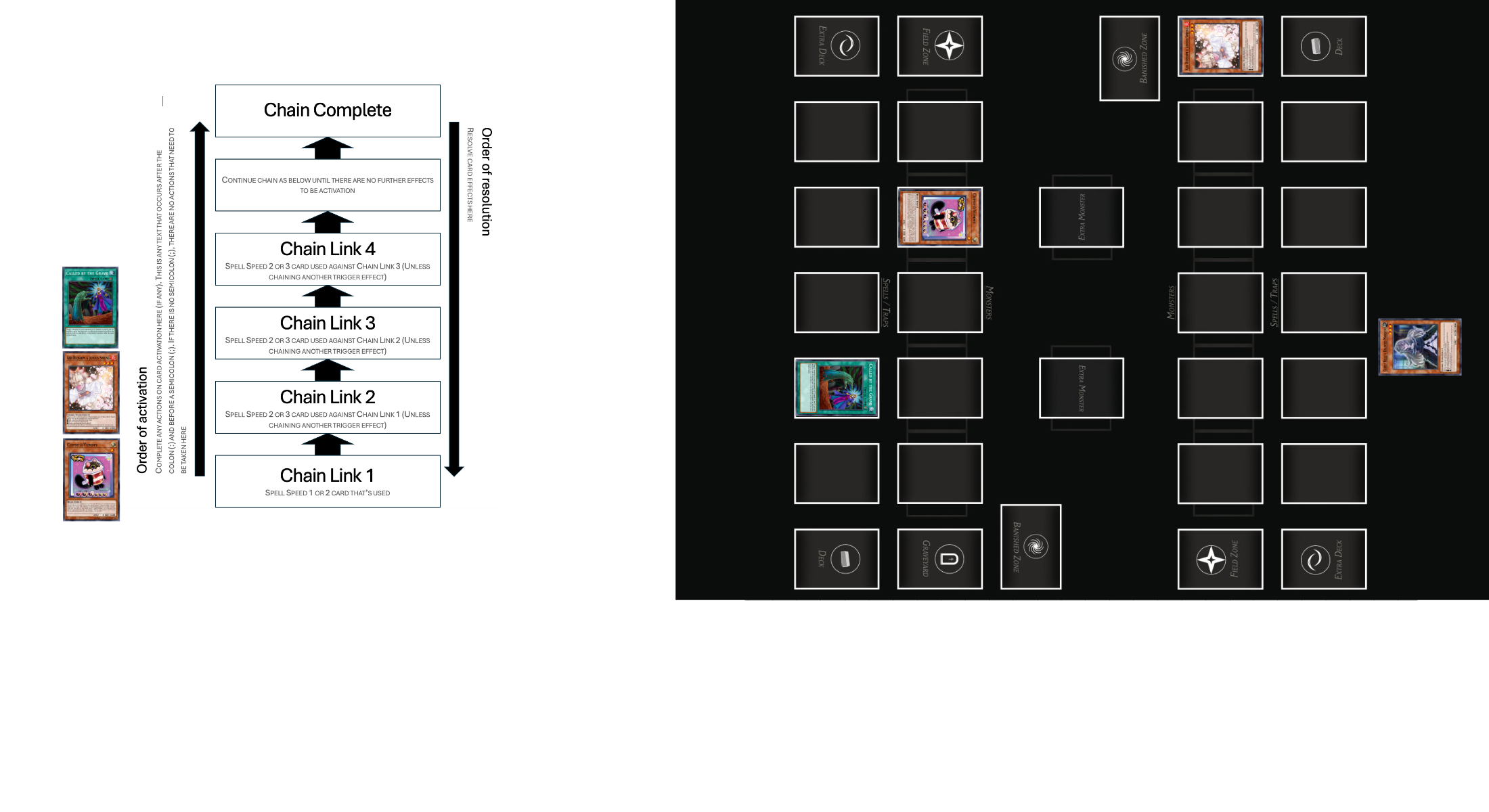
Chain Link 3: You activate Called by the Grave, targeting Ash Blossom & Joyous Spring in your opponent’s Graveyard to banish and negate it. Target 1 monster in your opponent’s GY; banish it, and if you do, until the end of the next turn, its effects are negated 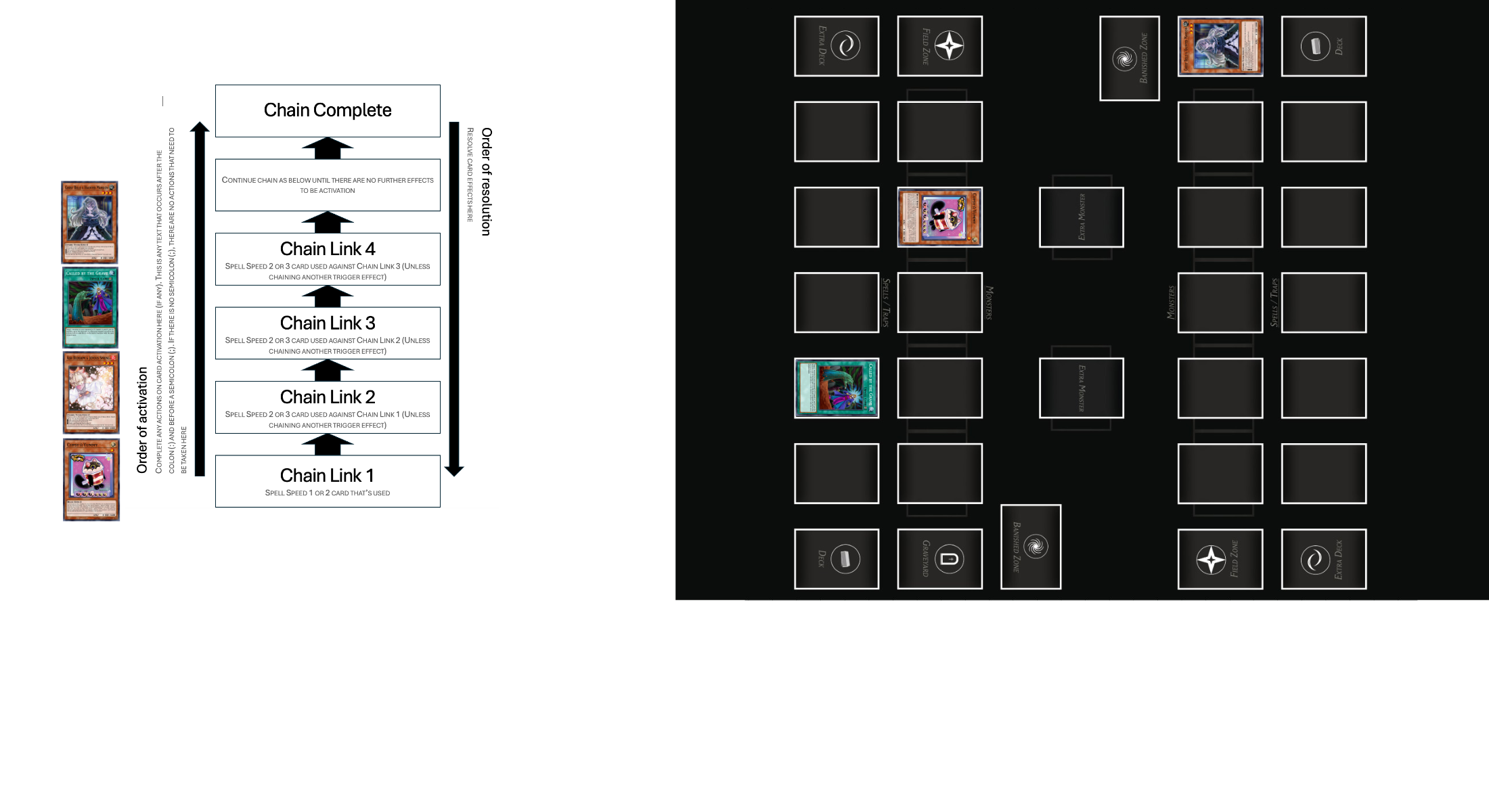
Chain Link 4: Your opponent chains Ghost Belle & Haunted Mansion to negate the effect of Called by the Grave When a card or effect is activated that includes any of these effects (Quick Effect): You can discard this card; negate that activation. ● Add a card(s) from the GY to the hand, Deck, and/or Extra Deck. ● Special Summon a Monster Card(s) from the GY. ● Banish a card(s) from the GY. 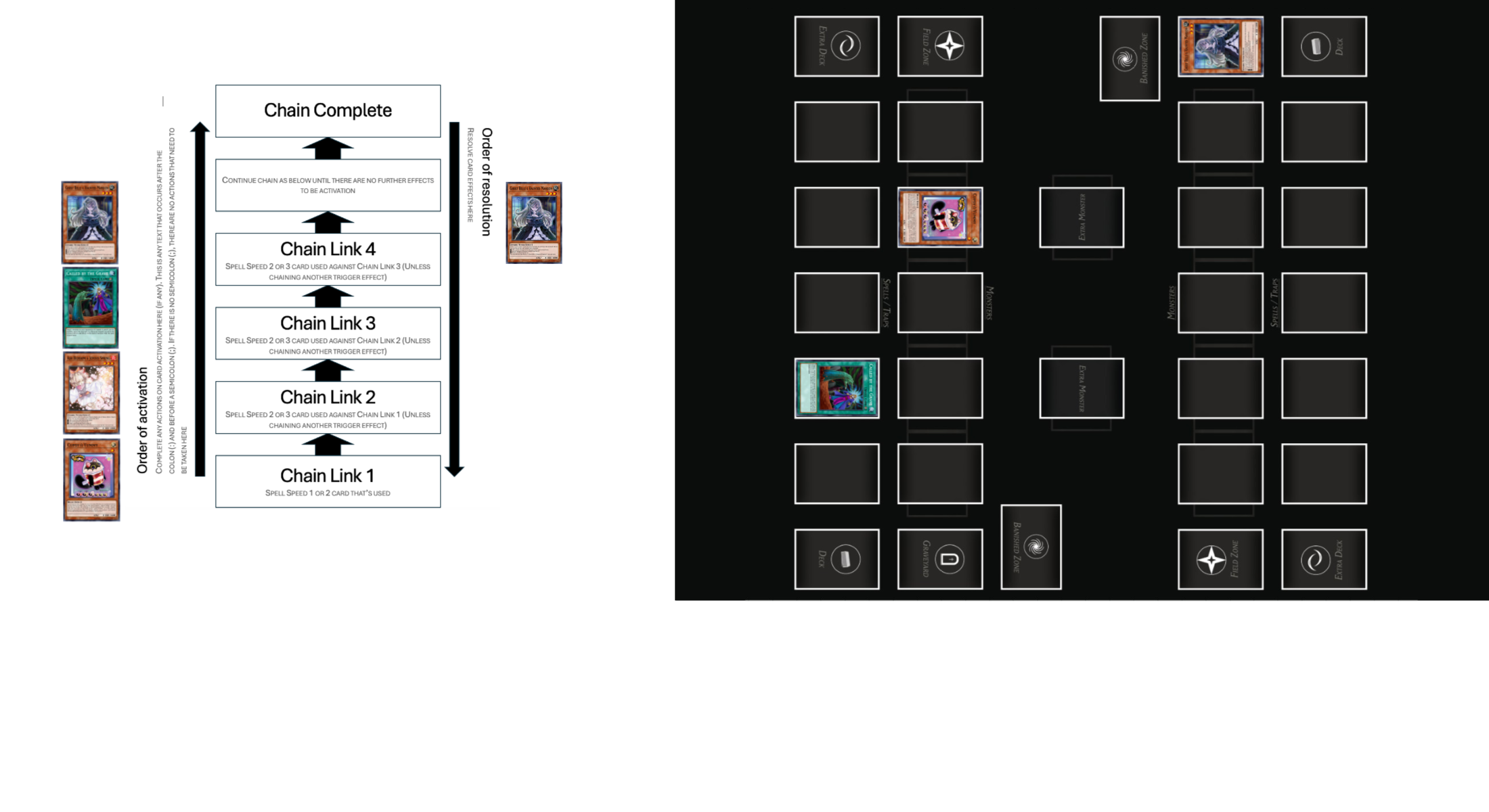
Chain Link 4: Ghost Belle & Haunted Mansion resolves first, and its effect negates the activation of Called by the Grave. 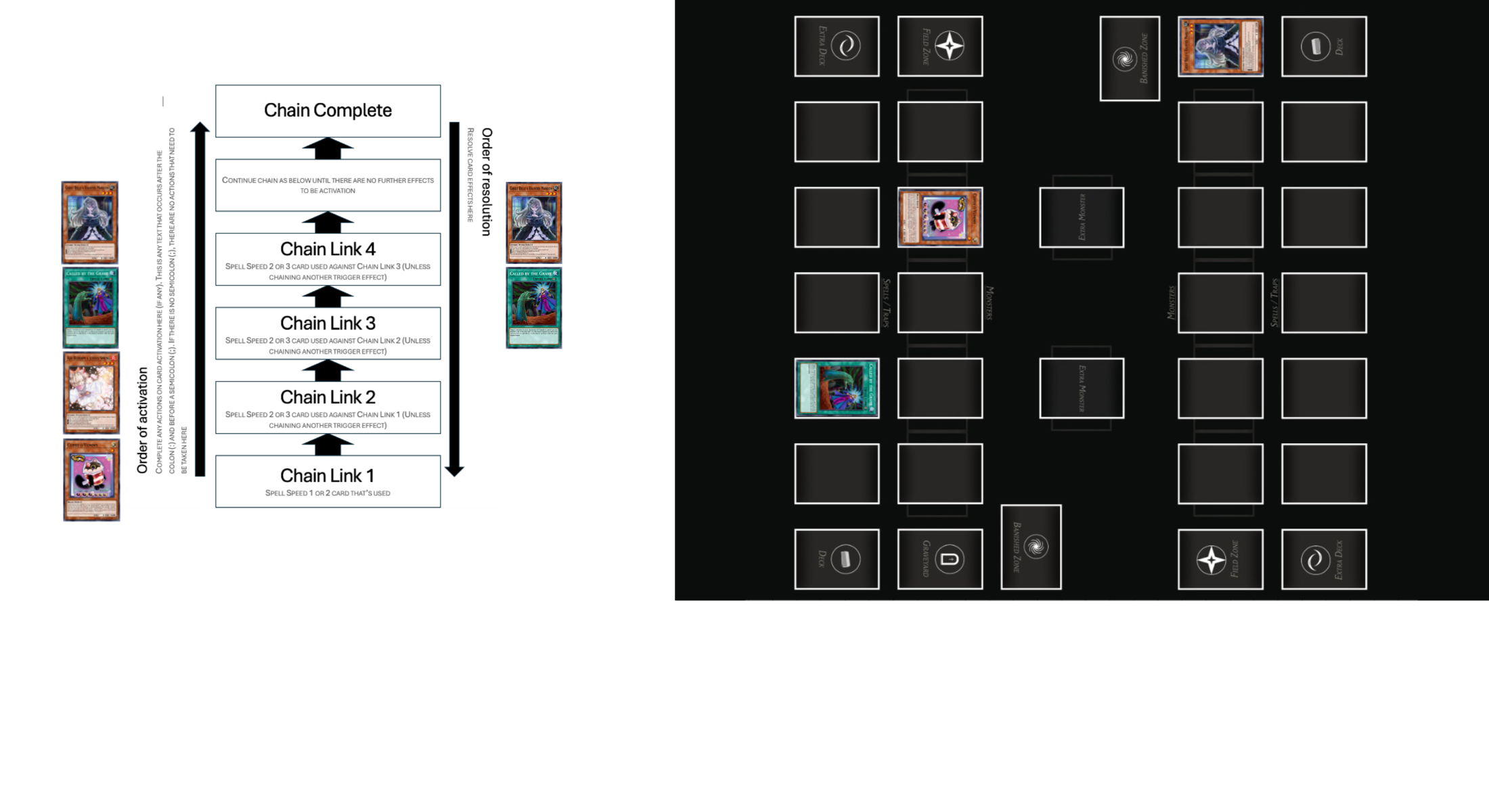
Chain Link 3: Called by the Grave‘s effect is negated, and its effect does not resolve 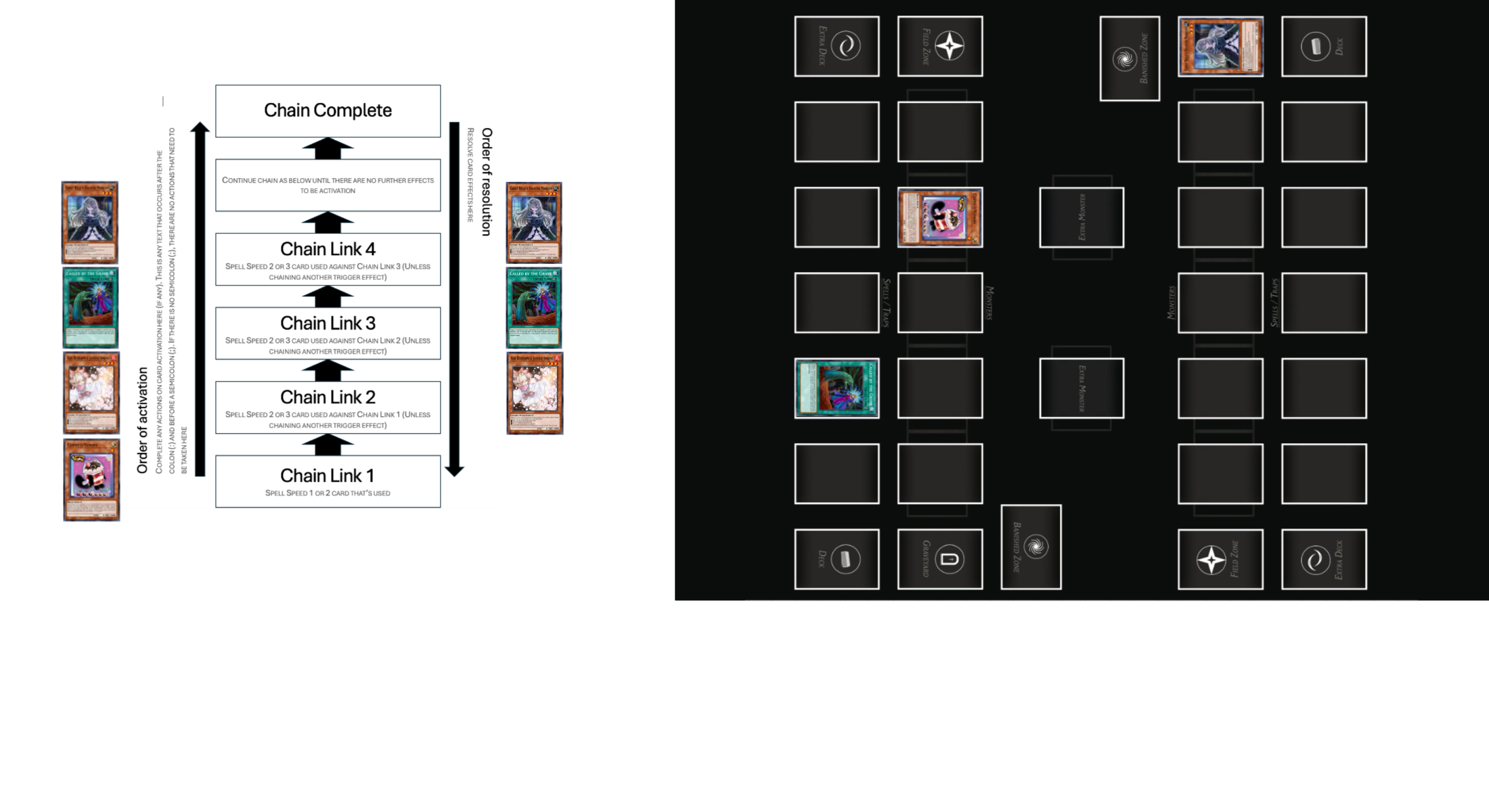
Chain Link 2: Ash Blossom & Joyous Spring‘s effect resolves because Called by the Grave was negated 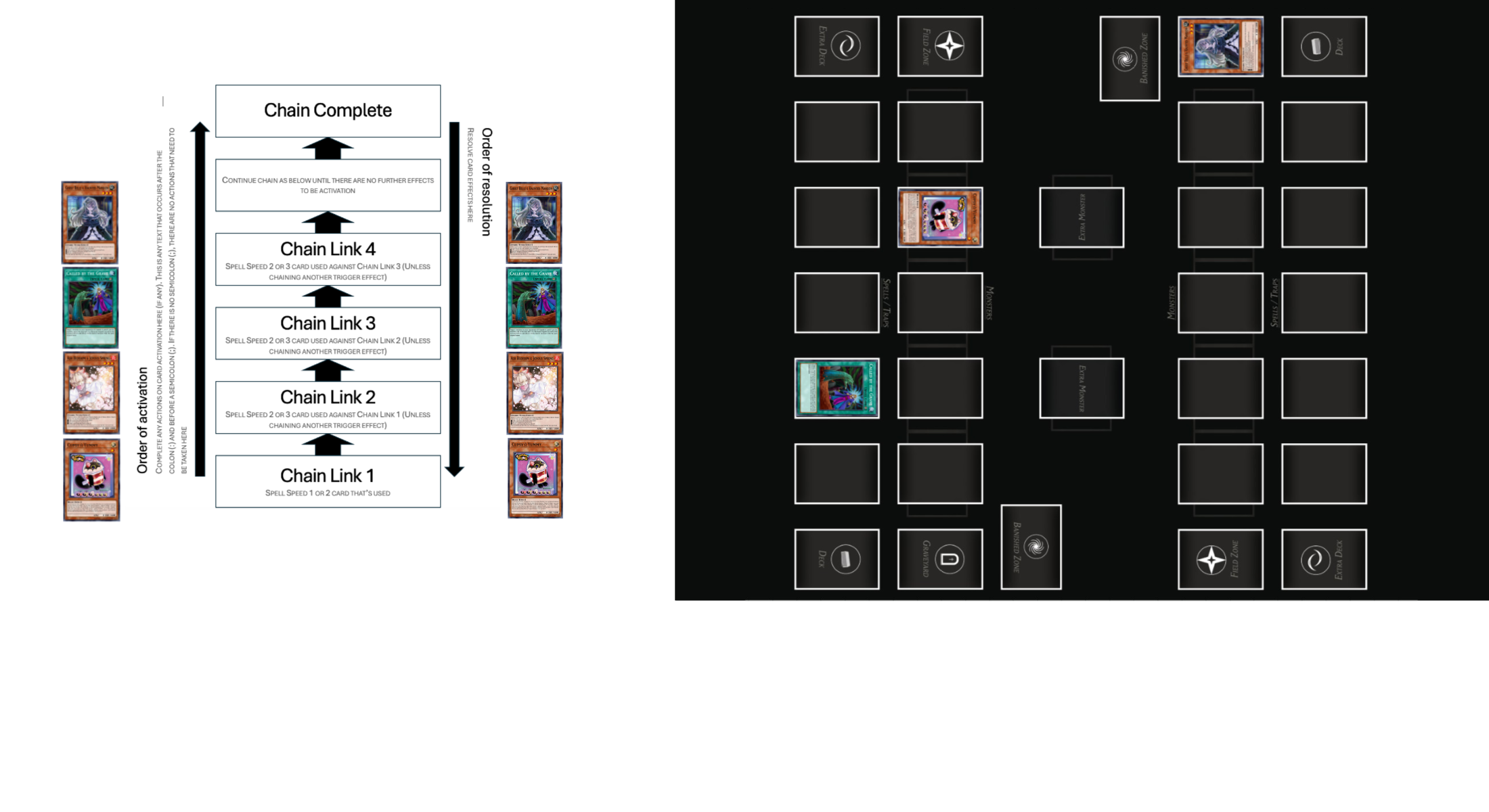
Chain Link 1: Cupsy☆Yummy‘s effect is negated by Ash Blossom & Joyous Spring
Strategic Implication: Use this mechanic to “dodge” targeting. If an opponent targets your monster with Infinite Impermanence, chaining an effect that removes your monster from the field (like I:P Masquerena) causes their card to lose its target and resolve without effect. This is because even though infinite impermanence activated its effect first, I:P Masquerena resolves (or applies) its effect first.
Fast Effect Timing & The Open Game State
Understanding the flow of priority is essential for knowing when you can act.
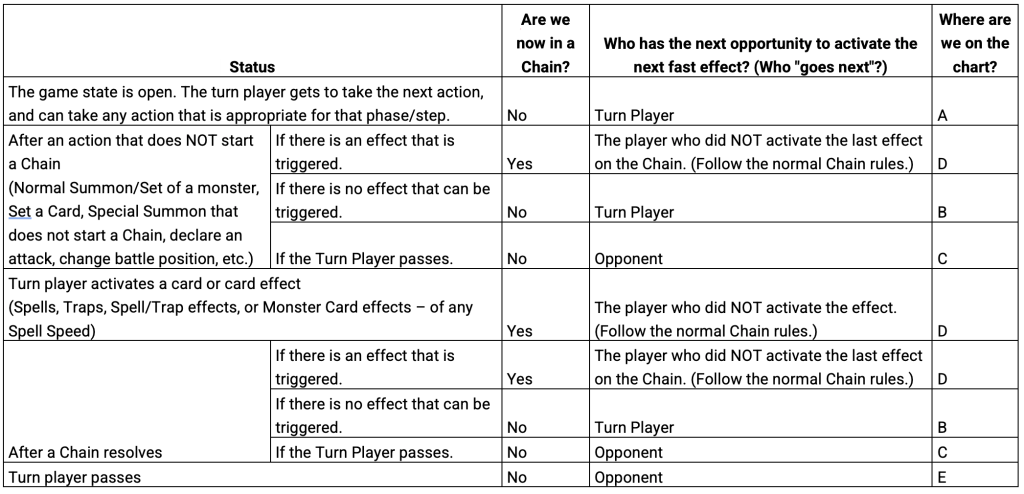
- Open Game State:
- Turn Player’s Right: The Turn Player has the option to perform any legal action (Normal Summon, Set, activate Spell Speed 1, change phase) in an open game state during the Main Phase.
- Opponent’s Restriction: The Opponent cannot activate cards in an Open Game State. However, if the Turn Player attempts to end the phase (passing priority), the Opponent gains the opportunity to activate a Fast Effect before the phase ends.
- Action & Response (Entering the Chain):
- Once an action is taken, the game checks for Triggers, then enters the “Fast Effect Window.”
- Priority 1: The Turn Player has the first right to activate a Fast Effect (Spell Speed 2/3).
- Priority 2: If the Turn Player passes, the Opponent can activate a Fast Effect.
- Loop: If either player activates an effect, a Chain forms, and priority swaps back and forth until both players pass.
- Resolution & Return to Open:
- After a chain resolves, the game does not immediately return to an Open Game State. It enters another Fast Effect window.
- Priority Check: The Turn Player has the opportunity to activate a Fast Effect (Spell Speed 2 or higher) first. If they pass, the Opponent can activate a Fast Effect.
- Open Game State: Only if both players pass without activating new effects does the game return to the Open Game State. Now, the Turn Player can perform new actions (like Normal Summoning or declaring an attack).
Important Note: You cannot simply activate a card “whenever.” You must wait for the priority window to open after an action or phase change.

Chain Construction & Priority (SEGOC)
In modern Yu-Gi-Oh!, multiple Trigger Effects often meet their conditions at the same time (e.g., you Link Summon using two monsters that both have “If sent to GY” effects). The rule Simultaneous Effects Go On Chain (SEGOC) dictates the order:
- Turn Player’s Mandatory Effects
- Opponent’s Mandatory Effects
- Turn Player’s Optional Effects
- Opponent’s Optional Effects
 60 Card Slop
Leave a comment