
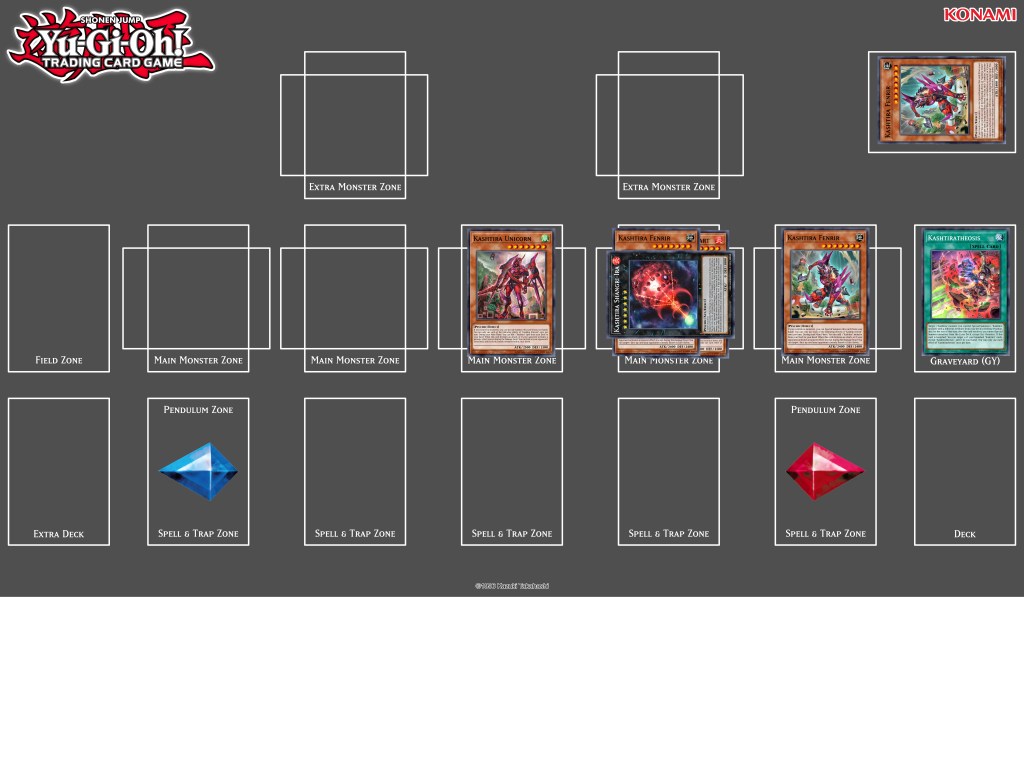




I am introducing this as a beginner deck because, in its pure form, it plays low to the ground with relatively simple board states and doesn’t rely on long combos. While it may not be easy to master, no deck in Yu-Gi-Oh! is. I think that this is an ideal deck to learn to play with because it is a control deck that has lots of potential interaction for an interesting back-and-forth play style, and its cards have similar effects that are easy to remember.
The Kashtira archetype works around 2 mechanisms.
- Banishing your opponent’s cards from their Field, Graveyard, Hand, Extra Deck and Main Deck
- Locking your opponent out of using their card zones.
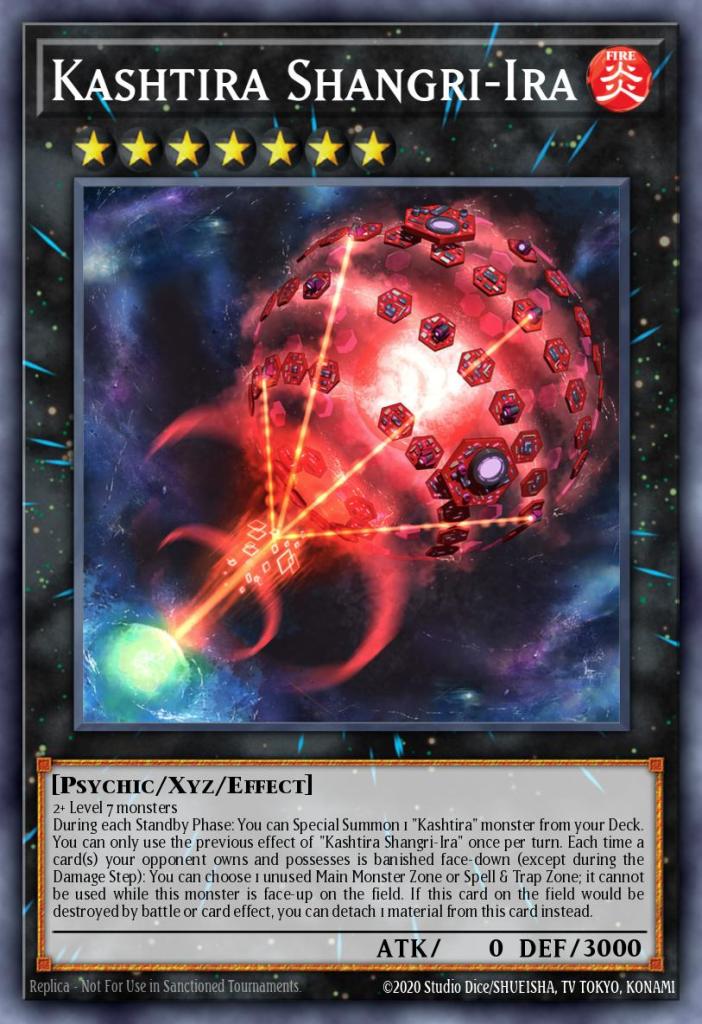
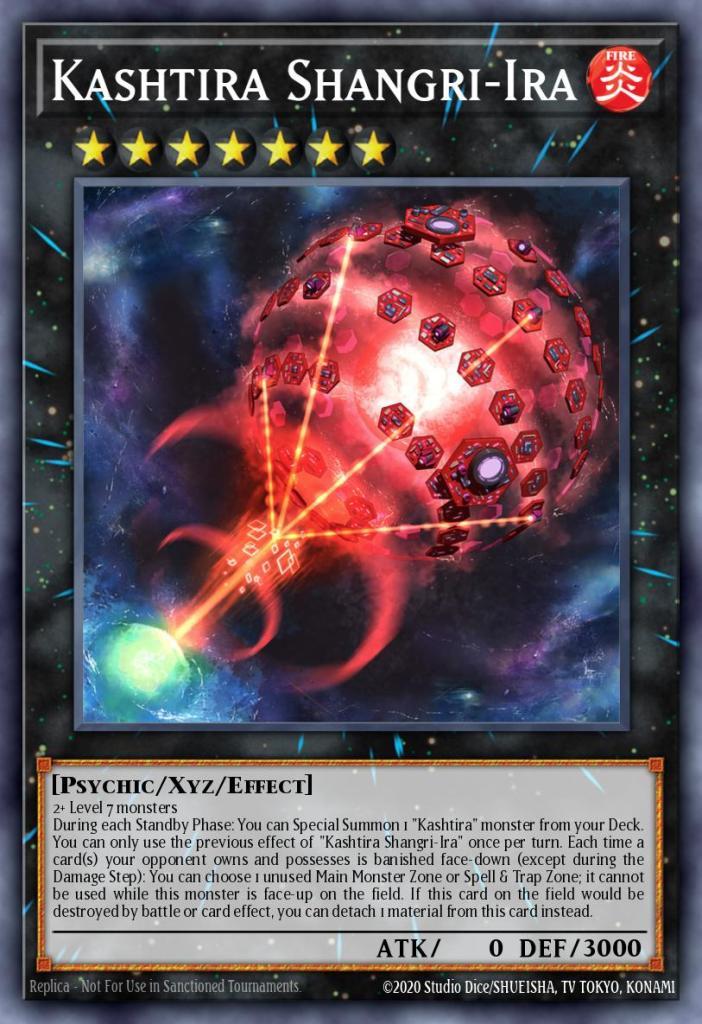
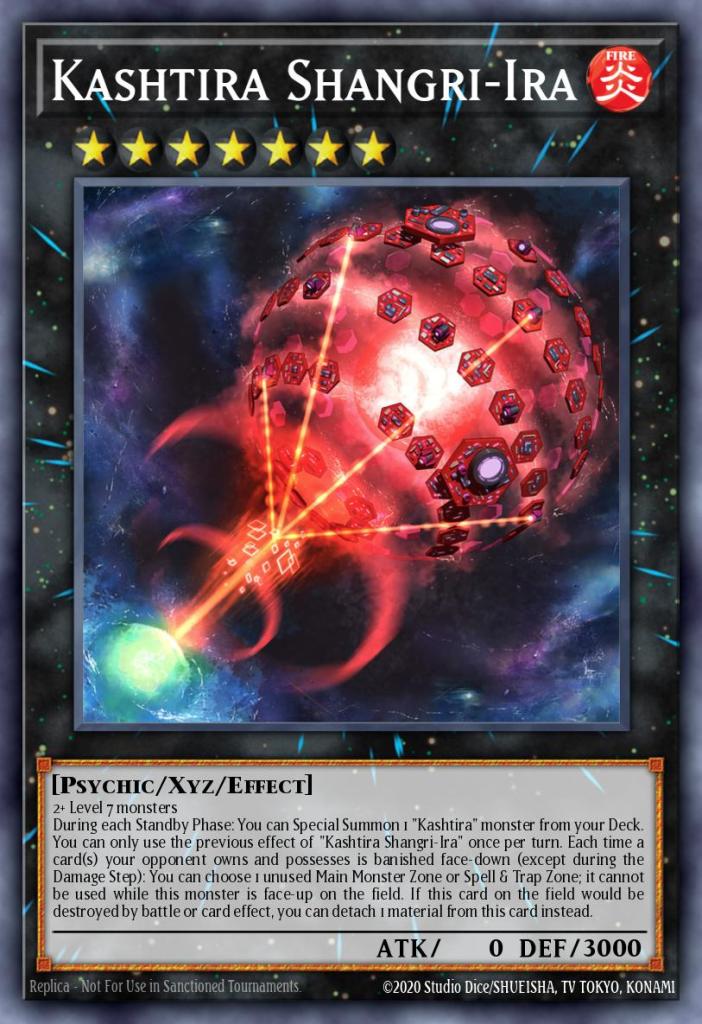
Most of the Kashtira cards have an effect to banish cards face-down, and this triggers the effect of the XYZ Monster Kashtira Shangri-Ira, which has the effect:
- “Each time a card(s) your opponent owns and possesses is banished face-down (except during the Damage Step): You can choose 1 unused Main Monster Zone or Spell & Trap Zone; it cannot be used while this monster is face-up on the field”
The Monsters
The Main Monsters
Summoning Condition
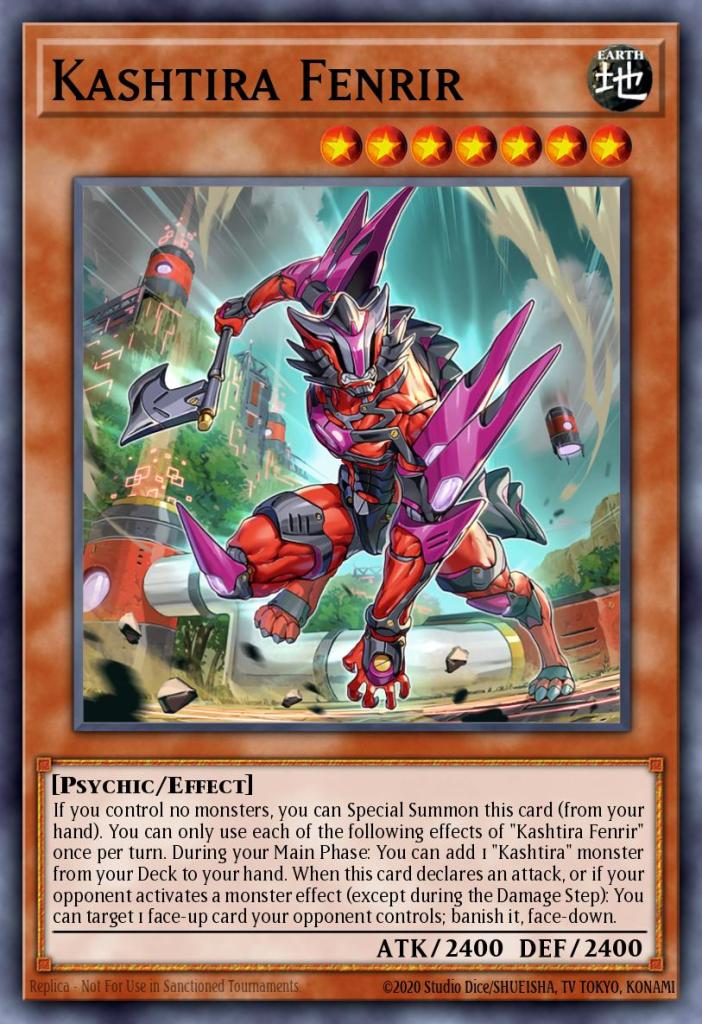
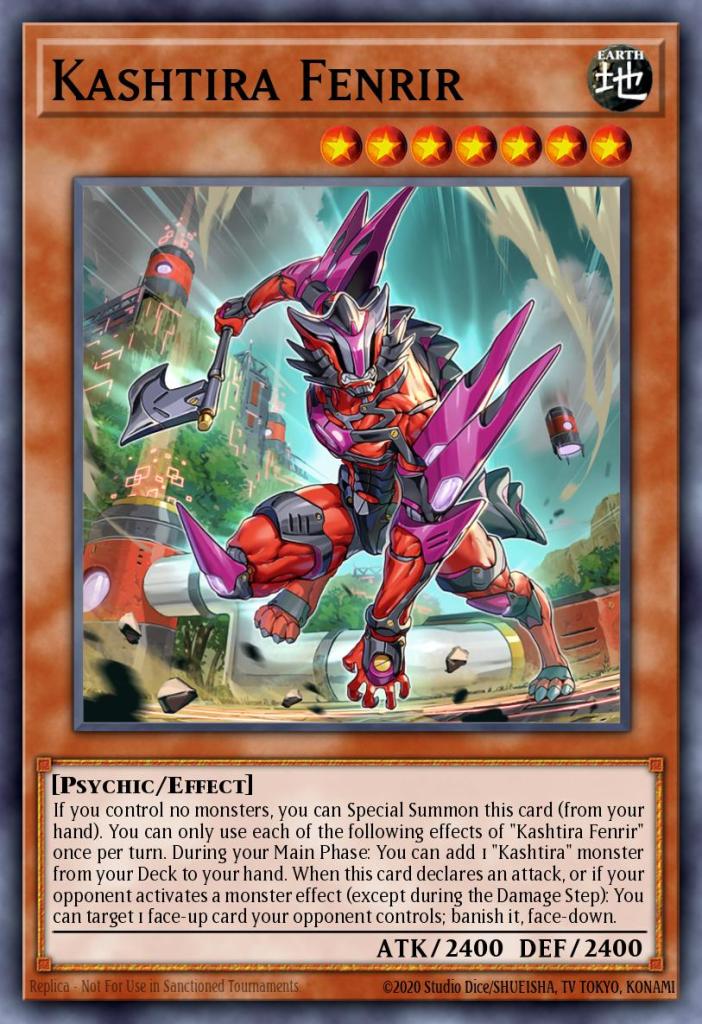
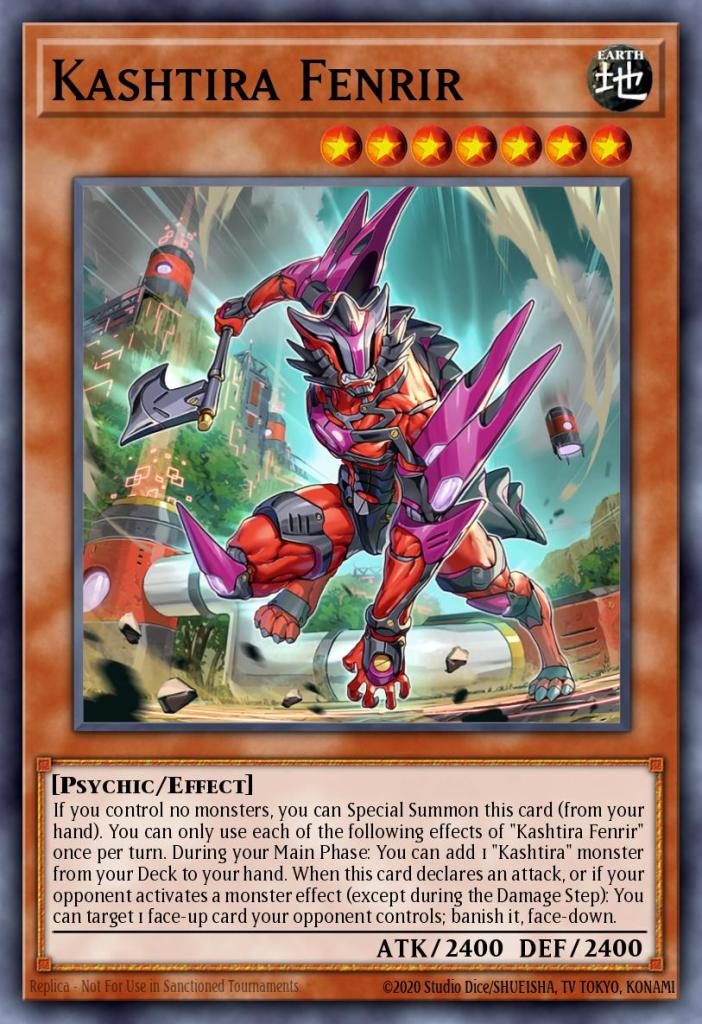
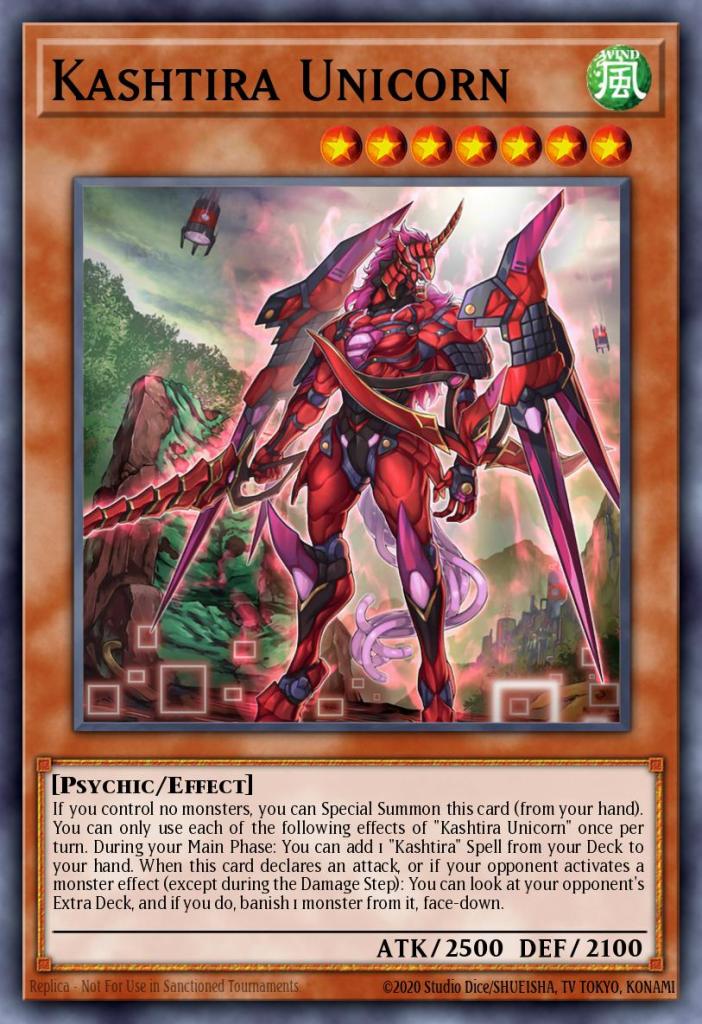
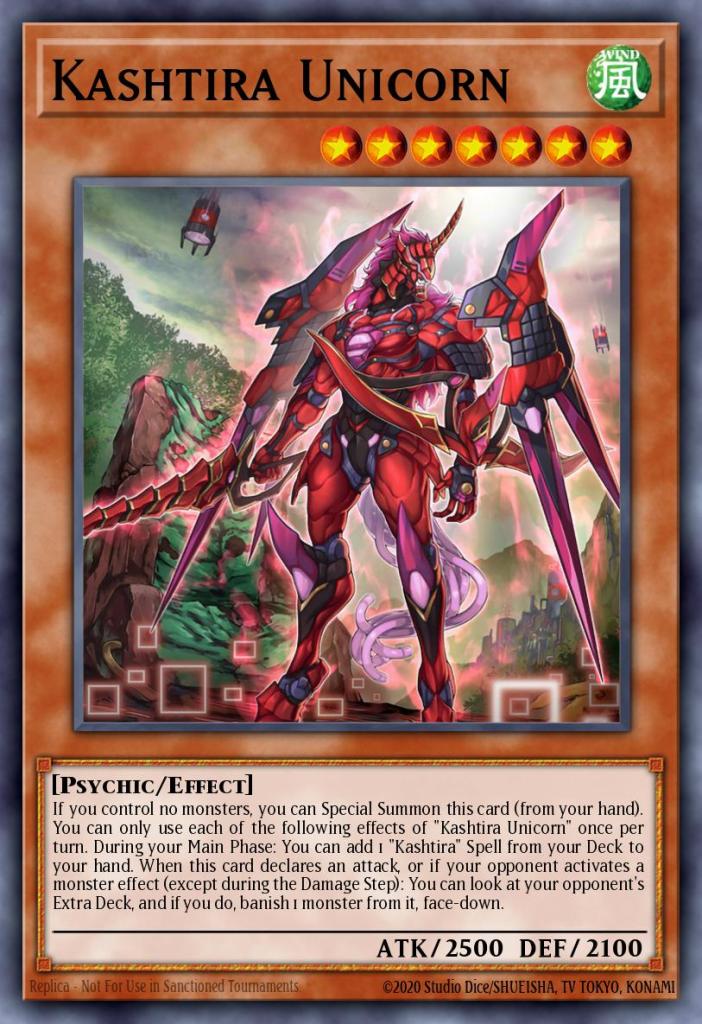
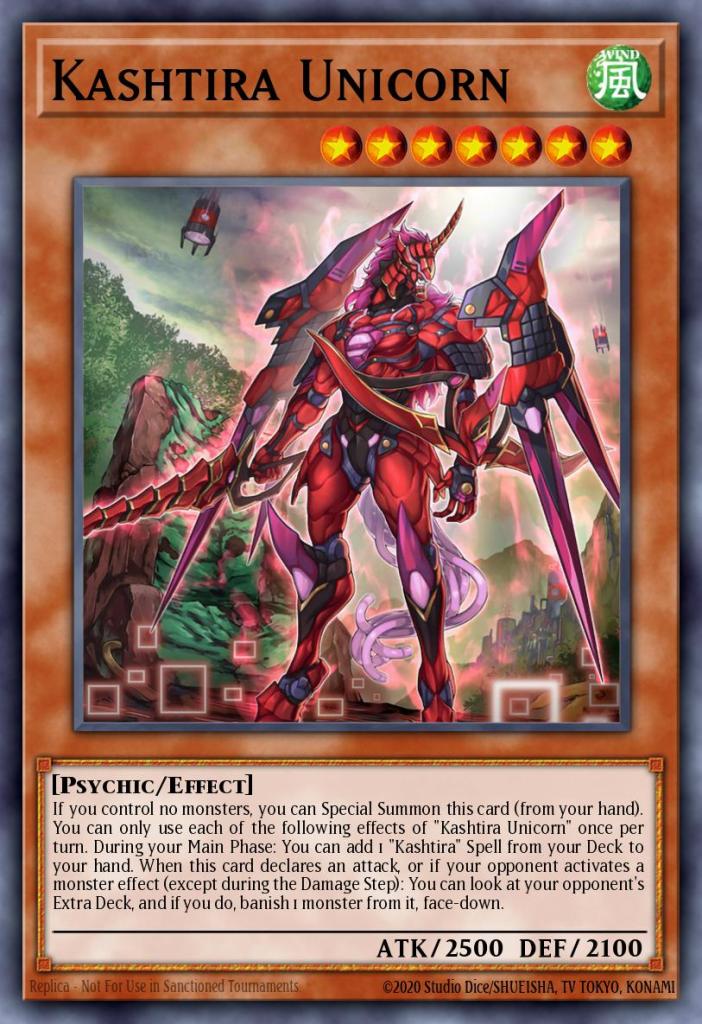
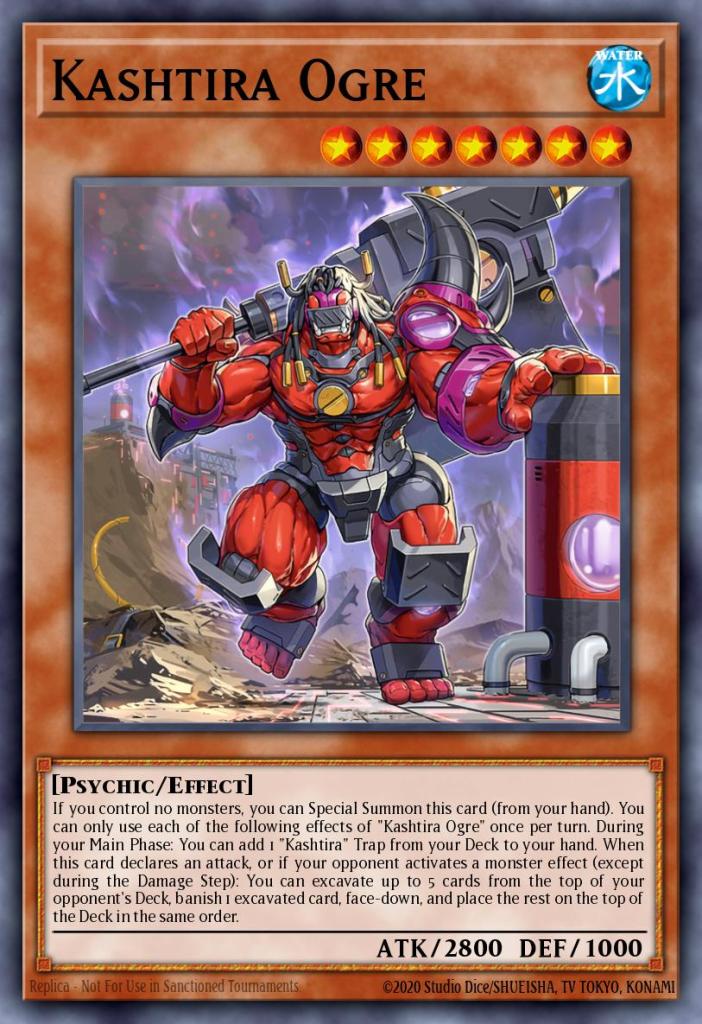
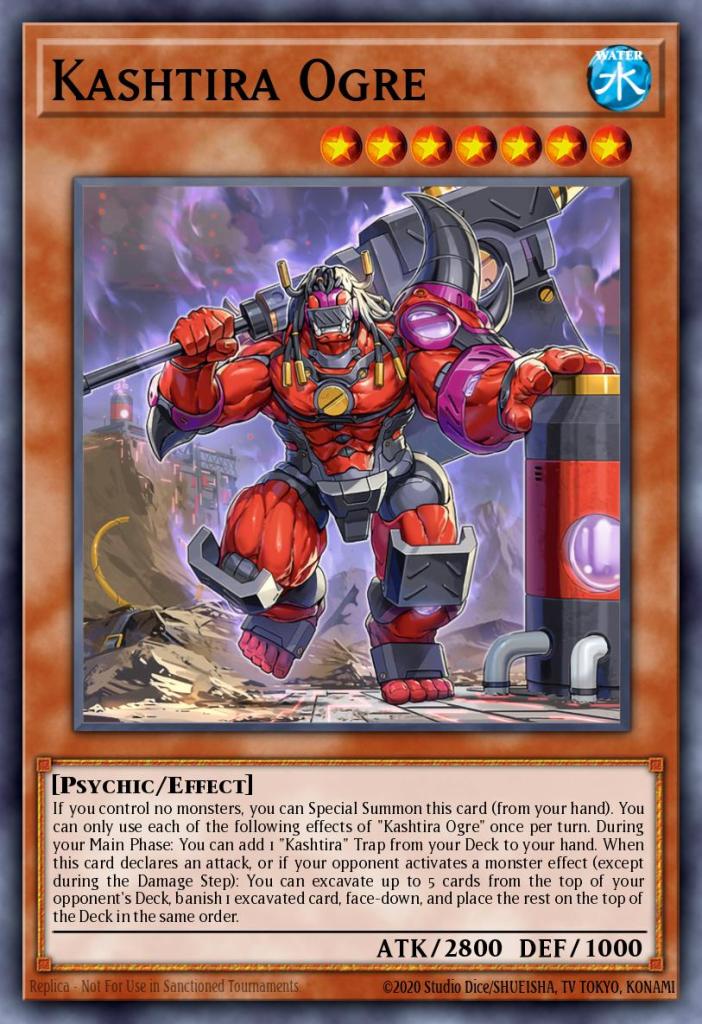
Kashtira Fenrir, Kastira Unicorn, and Kashtira Ogre all share a common summoning condition.
- “If you control no monsters, you can Special Summon this card (from your hand)”
- Note that this effect to Special Summon does not have a colon (:), so it does not start a chain.
Search Effects
Each monster also has a similar effect that can be activated during the Main Phase:
- Kashtira Fenrir: “During your Main Phase: You can add 1 “Kashtira” monster from your Deck to your hand”
- Kastira Unicorn: “During your Main Phase: You can add 1 “Kashtira” Spell from your Deck to your hand”
- Kashtira Ogre: “During your Main Phase: You can add 1 “Kashtira” Trap from your Deck to your hand”
Banish Effects
Each monster also has a similar effect that can be activated when it declares an attack, or if your opponent activates a monster effect:
- Kashtira Fenrir: “When this card declares an attack, or if your opponent activates a monster effect (except during the Damage Step): You can target 1 face-up card your opponent controls; banish it, face-down”
- Kastira Unicorn: “When this card declares an attack, or if your opponent activates a monster effect (except during the Damage Step): You can look at your opponent’s Extra Deck, and if you do, banish 1 monster from it, face-down”
- Kashtira Ogre: “When this card declares an attack, or if your opponent activates a monster effect (except during the Damage Step): You can excavate up to 5 cards from the top of your opponent’s Deck, banish 1 excavated card, face-down, and place the rest on the top of the Deck in the same order”
These common mechanisms make the monster effects easy to remember, contributing to this being a good deck to learn to play the game with.
The Extender
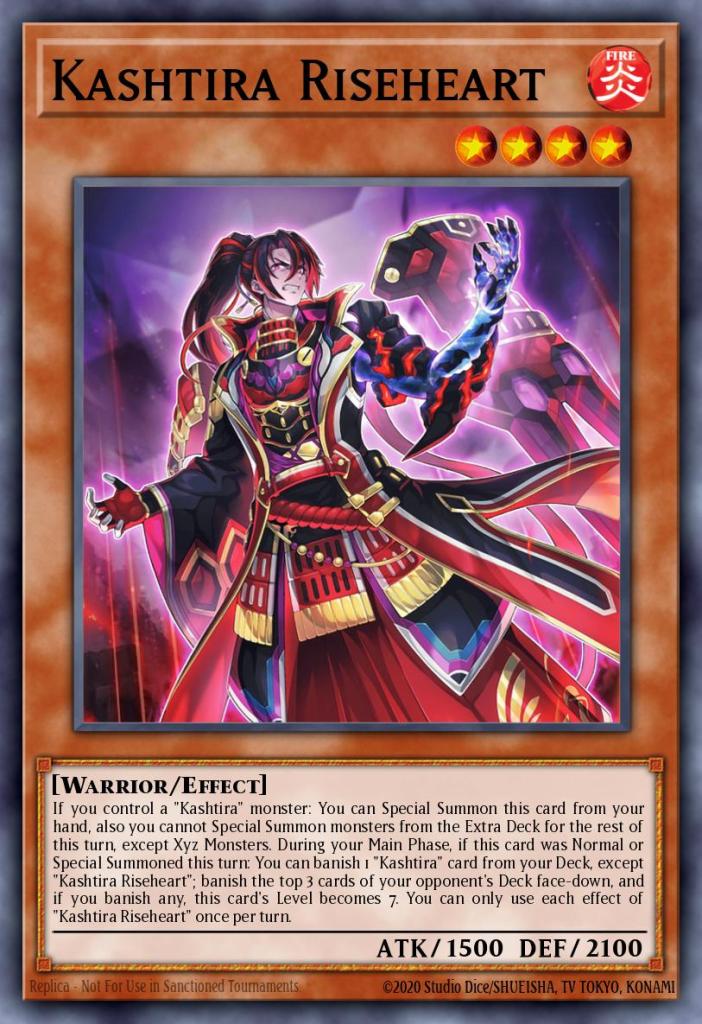
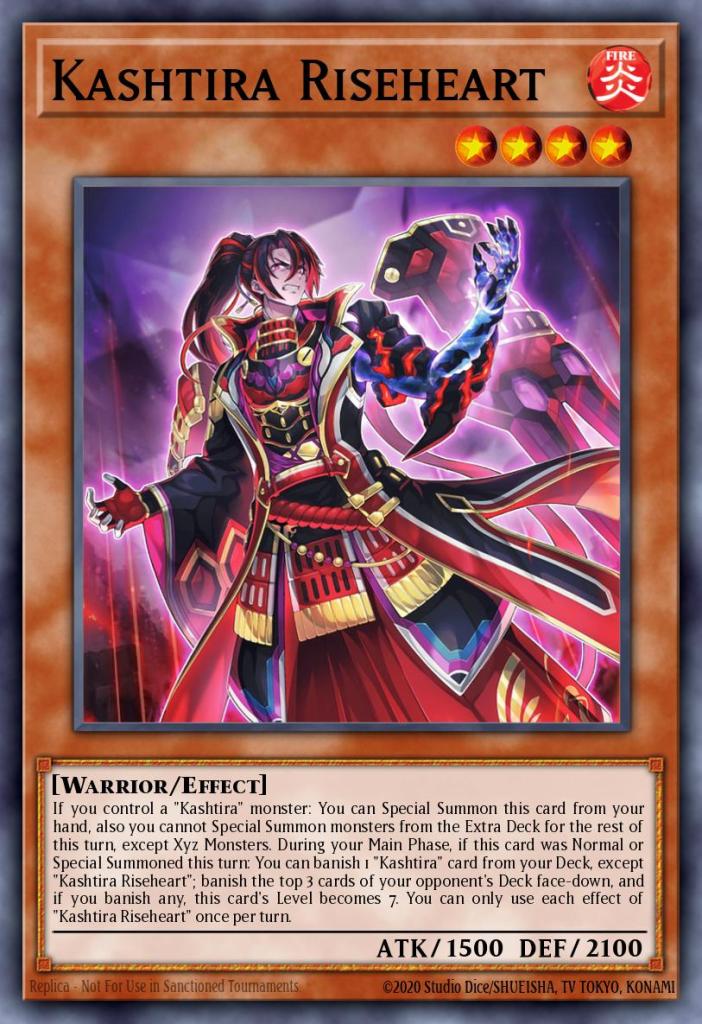
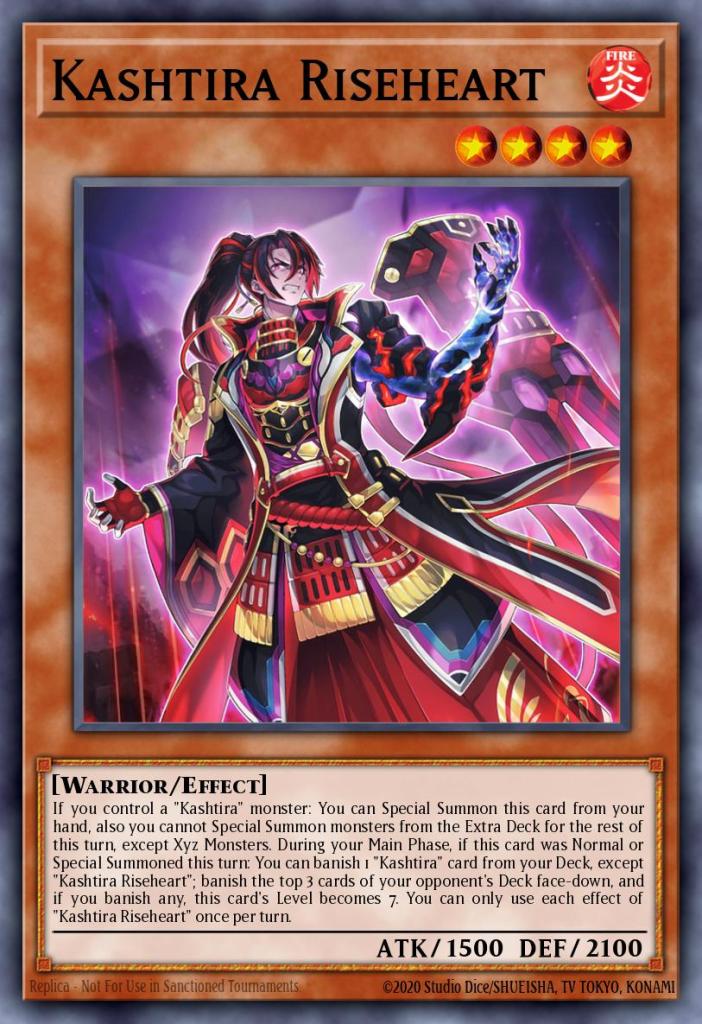
Kashtira Riseheart is a good extender for this deck, being searchable through Kashtira Fenrir‘s effect, summoning itself if you control a Kashtira monster, and modulating its level to 7 to be used as an XYZ material with one of the other Kashtira monsters.
Kashtira Riseheart‘s level modulation effect also banishes a Kastira monster from your deck, which can be Special Summoned back with the effect of Kashtira Birth. This effect also banishes monsters face-down from your opponent’s deck to reduce their card access and also synergises with the rest of the deck to trigger the effect of Kashtira Shangri-Ira
- Summon Condition: If you control a “Kashtira” monster: You can Special Summon this card from your hand, also you cannot Special Summon monsters from the Extra Deck for the rest of this turn, except Xyz Monsters.
- Level Modulation: During your Main Phase, if this card was Normal or Special Summoned this turn: You can banish 1 “Kashtira” card from your Deck, except “Kashtira Riseheart”; banish the top 3 cards of your opponent’s Deck face-down, and if you banish any, this card’s Level becomes 7.
Shared Archetype Extenders
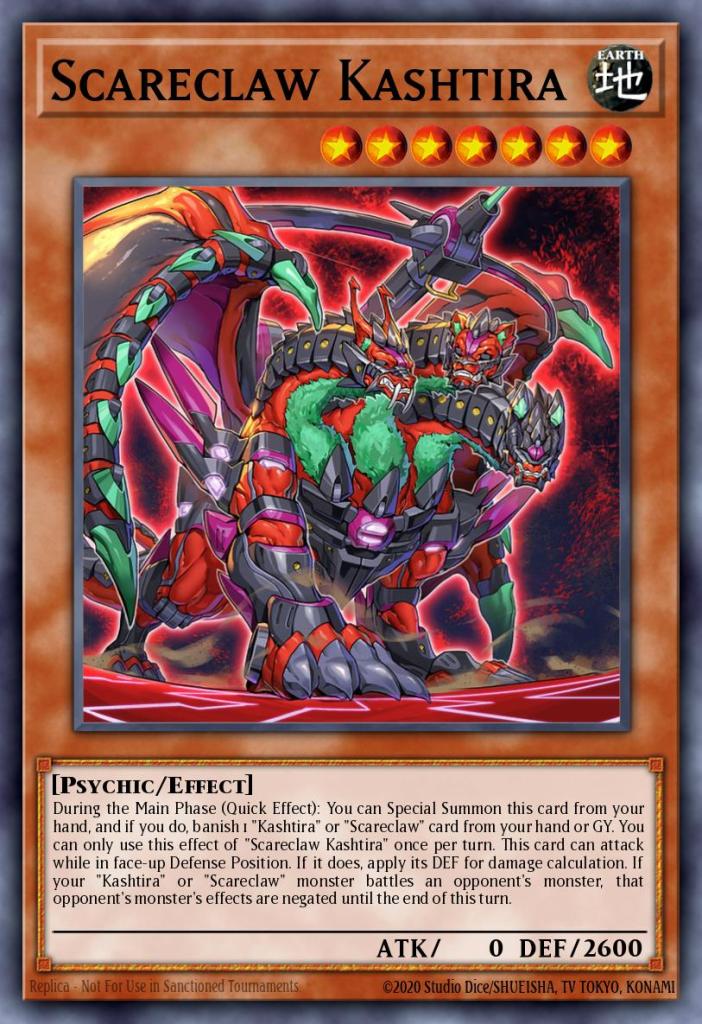
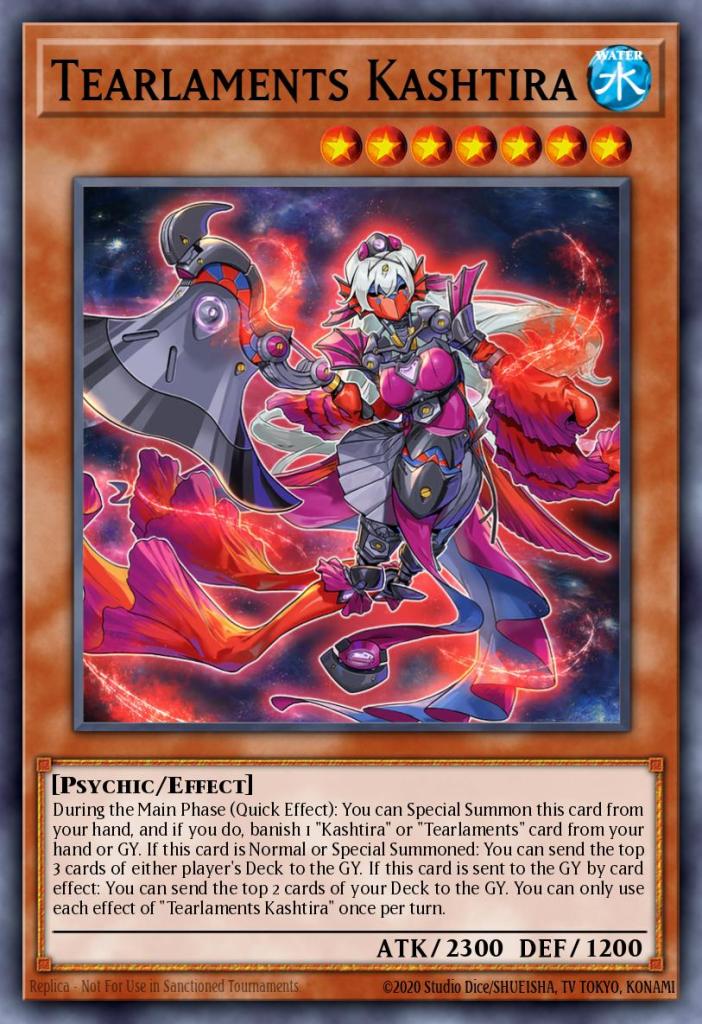

The Kashtira archetype also shares 2 monsters with other archetypes, Tearlaments and Scareclaw. These monsters synergise between the archetypes and support both play styles, but are optional cards in the deck.
Summoning Effect
Tearlaments Kashtira and Scareclaw Kashtira both share a common summoning mechanism.
- Tearlaments Kashtira: “During the Main Phase (Quick Effect): You can Special Summon this card from your hand, and if you do, banish 1 “Kashtira” or “Tearlaments” card from your hand or GY”
- Scareclaw Kashtira: “During the Main Phase (Quick Effect): You can Special Summon this card from your hand, and if you do, banish 1 “Kashtira” or “Scareclaw” card from your hand or GY”
Because this is a Quick Effect, these monsters can be summoned on your opponent’s turn.
Other Effects
Tearlaments Kashtira has an “on summon” effect which synergises with both Tearlaments and Kashtira.
- “If this card is Normal or Special Summoned: You can send the top 3 cards of either player’s Deck to the GY”
For the Tearlaments archetype, sending from your own deck benefits the play style of milling to the Graveyard. For Kashtira, while it doesn’t banish your opponent’s cards, it adds to the playstyle of disrupting your opponent’s Field, Extra Deck and Main Deck
Both are also level 7 and can be used as materials for Rank 7 XYZ summons
Support Cards
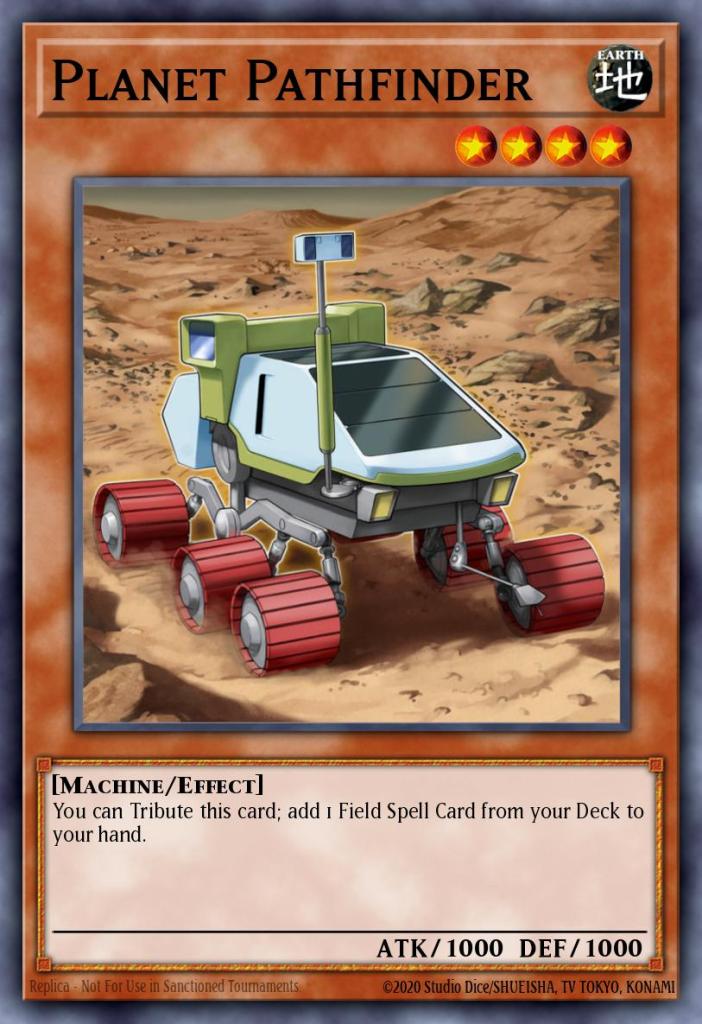
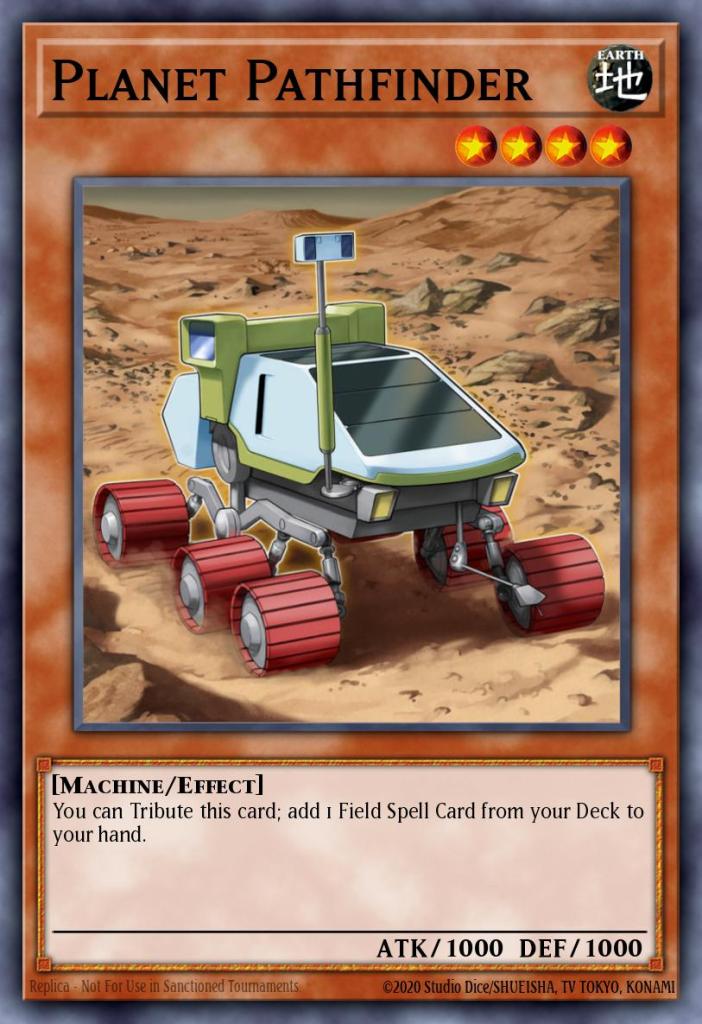
Planet Pathfinder is a useful starter for Kashtira. Because all of the Main Deck Monsters special summon themselves from the hand, using your Normal Summon on Planet Pathfinder generally isn’t an issue if you have no other Kashtira monsters in your hand.
- “You can Tribute this card; add 1 Field Spell Card from your Deck to your hand”
Planet Pathfinder can search the Kashtira Field Spell Pressured Planet Wraitsoth which upon activation can “add 1 “Kashtira” monster from your Deck to your hand”. Because Planet Pathfinder also tributes itself to activate this effect, it means you will not control any monsters on your field, allowing Kashtira Fenrir, Kastira Unicorn, or Kashtira Ogre to Special Summon themselves.
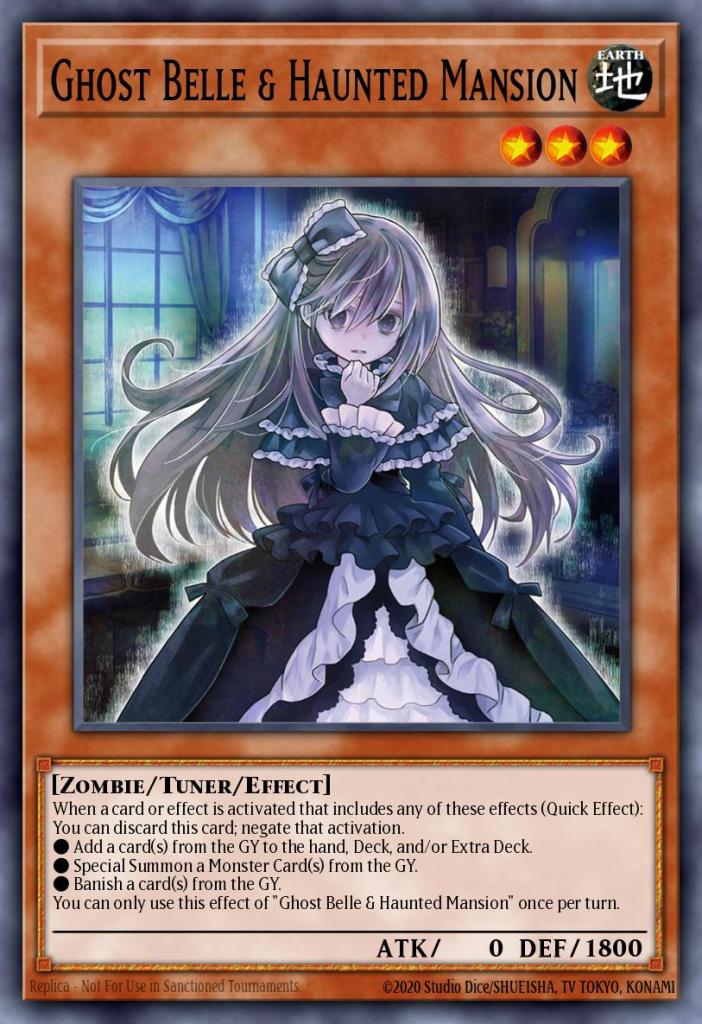
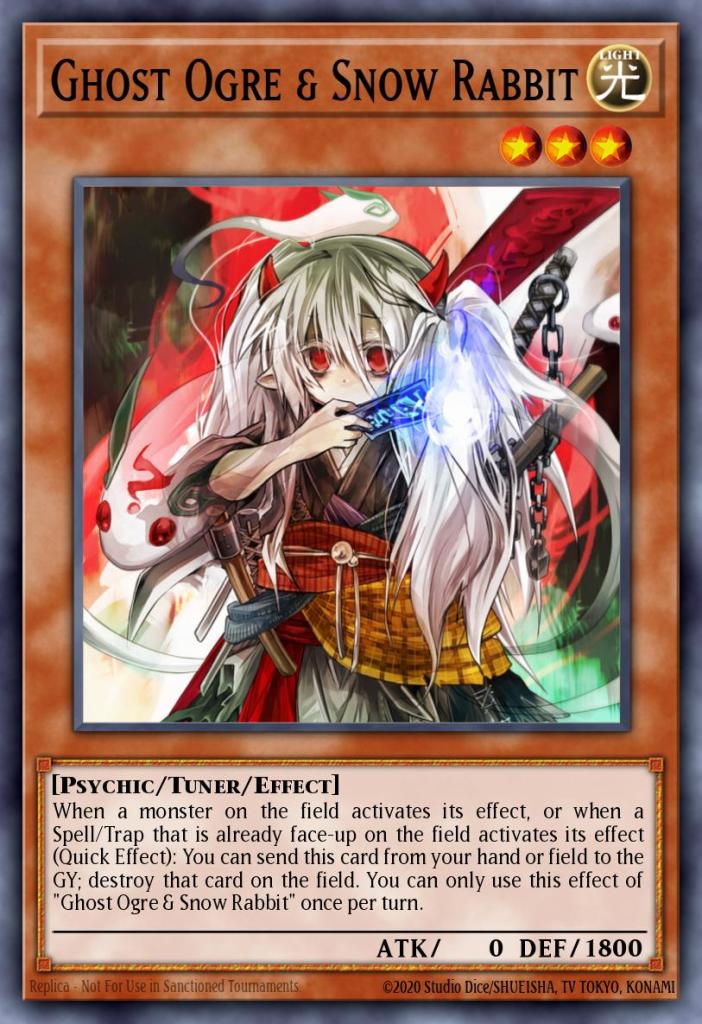
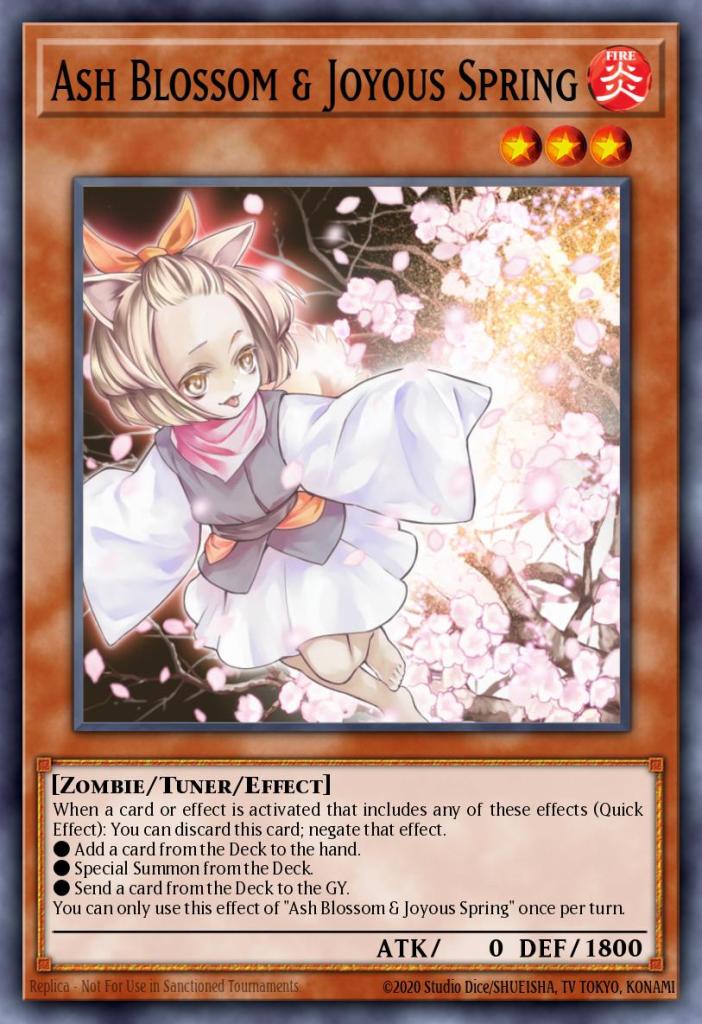
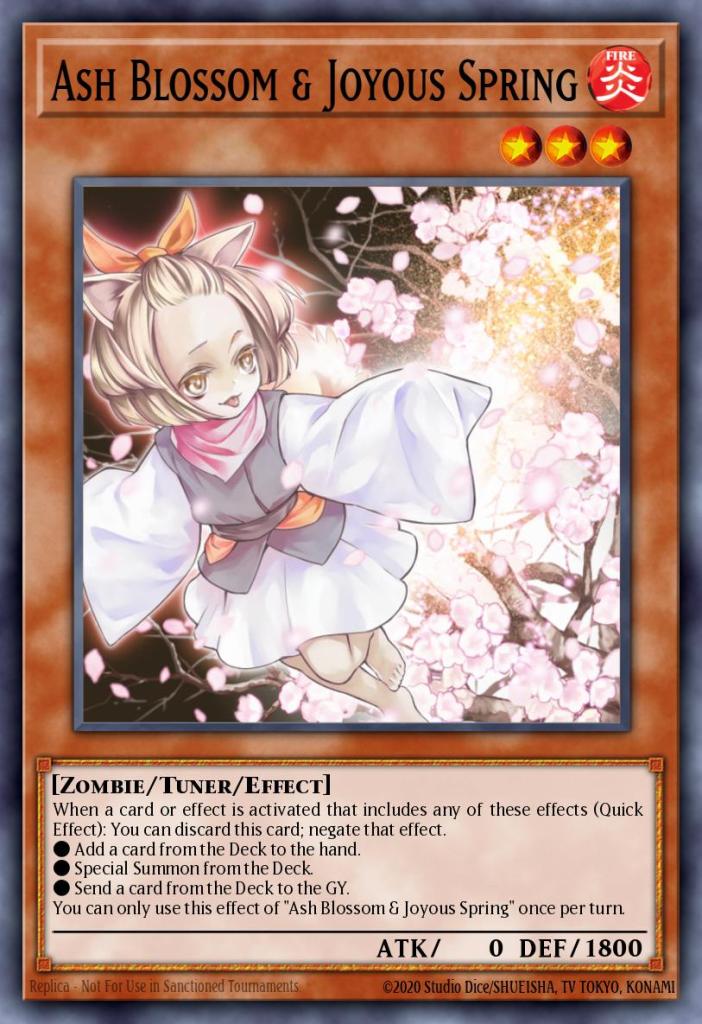
While Ash Blossom & Joyous Spring, Ghost Belle & Haunted Mansion, Ghost Ogre & Snow Rabbit and other hand traps serve non-engine purposes in most decks, they can also function as engine cards in Kashtira decks. Because they are all tuners, they can be used for generic Synchro Summons, and because the Kashtira Main Deck Monsters do no need to be Normal Summoned (unless using Kashtira Birth‘s effect, discussed below), you can Normal Summon one of these monsters to Synchro Summon a Level 10 Synchro Monster (Level 7 Kashtira Monster + Level 3 Tuner).
The Extra Deck
Kashtira Shangri-Ira is the only legal Extra Deck Monster in the TCG since Kashtira Arise-Heart was banned. Kashtira Shangri-Ira functions as an extender and a main form of disruption in the deck.
During each standby phase, it allows you to Special Summon a Kashtira monster from your Main Deck
- “During each Standby Phase: You can Special Summon 1 “Kashtira” monster from your Deck”
The interruption effect is is to lock your opponent out of a Monster or Spell/Trap zone each time an opponent’s card is banished face down. Because of how many banish effects there are between the different Kashtira cards, you can potentially lock your opponent out of several zones per turn
- “Each time a card(s) your opponent owns and possesses is banished face-down (except during the Damage Step): You can choose 1 unused Main Monster Zone or Spell & Trap Zone; it cannot be used while this monster is face-up on the field.
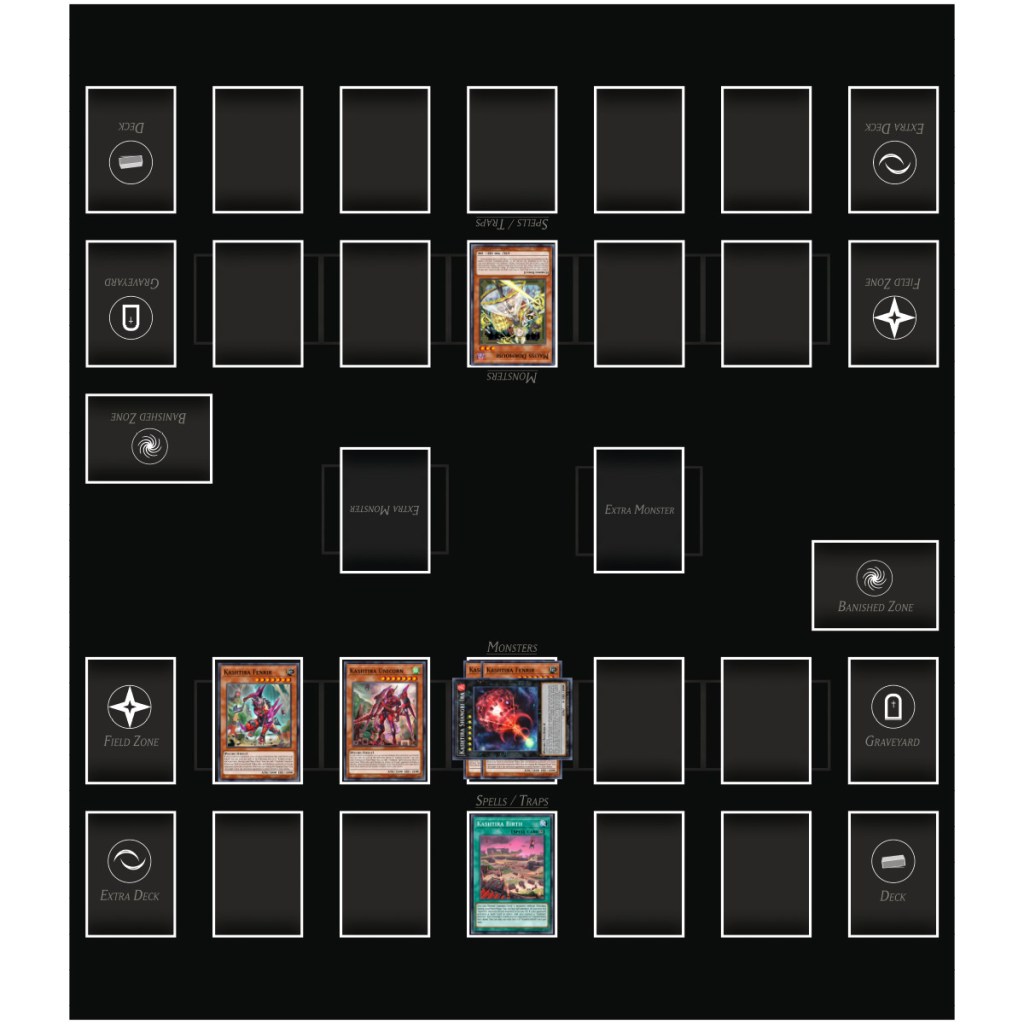
Your opponent activates a card effect. You chain Kashtira Fenrir to banish a card your opponent controls face-down. 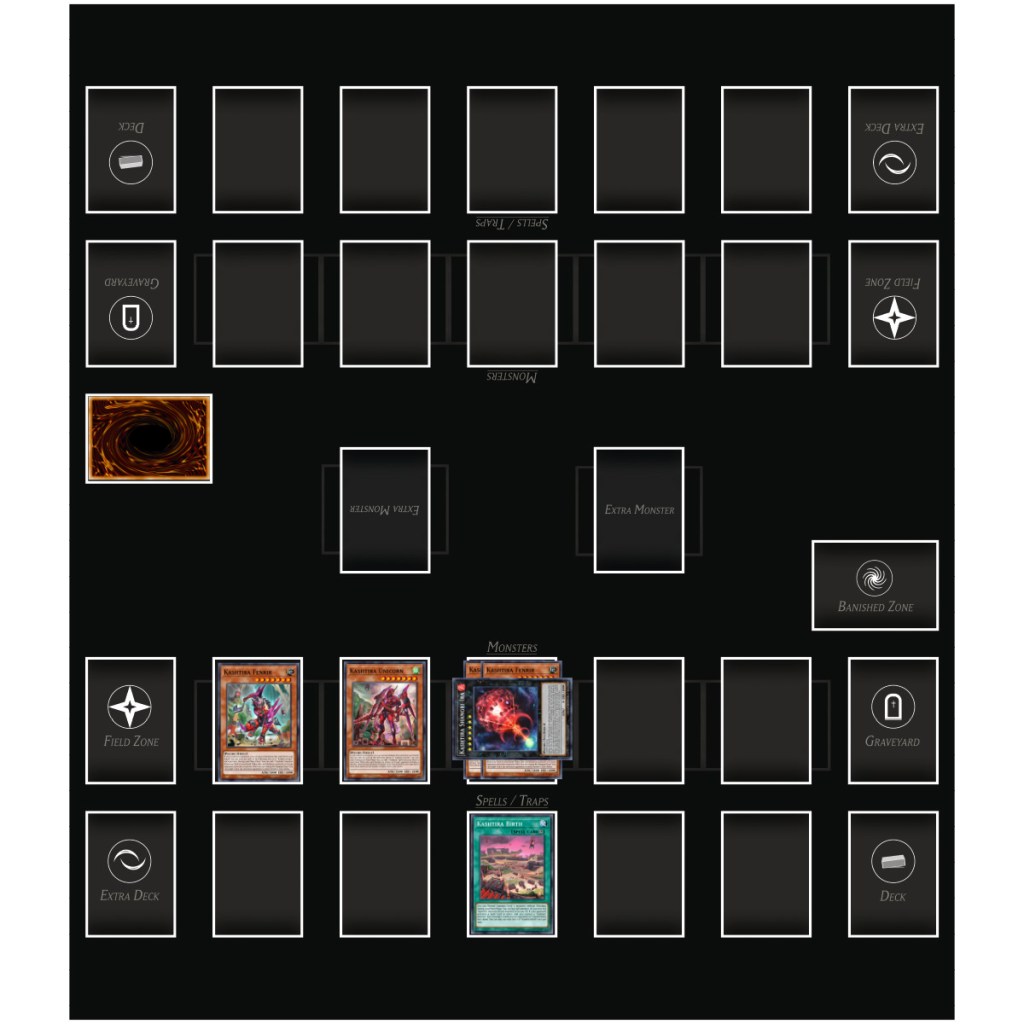
Kashtira Fenrir’s effect to banish face-down resolves, triggering Kashtira Shangri-ira’s effect to lock your opponent out of a card zone. 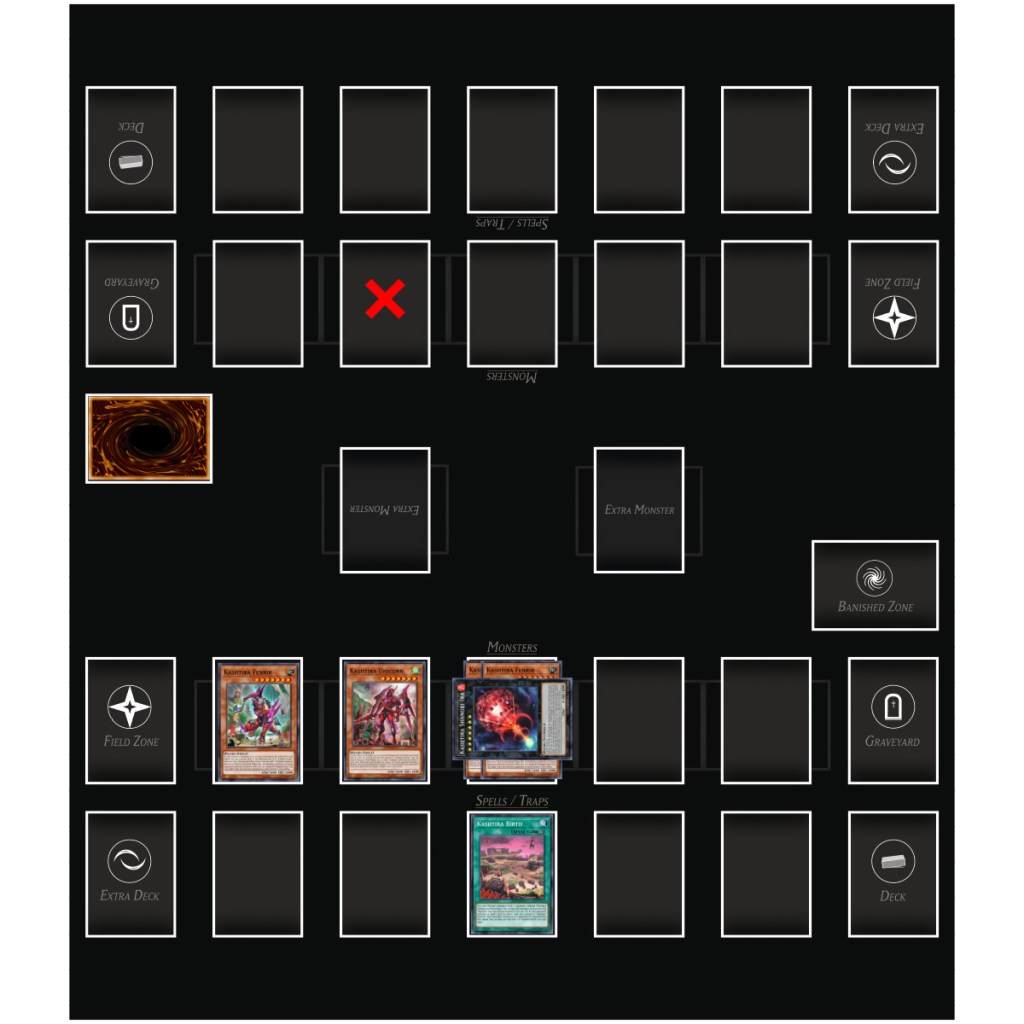
The effect resolves and you lock your opponent out of the chosen zone
Kashtira Shangri-Ira also has a protection effect
- If this card on the field would be destroyed by battle or card effect, you can detach 1 material from this card instead.
The Spells
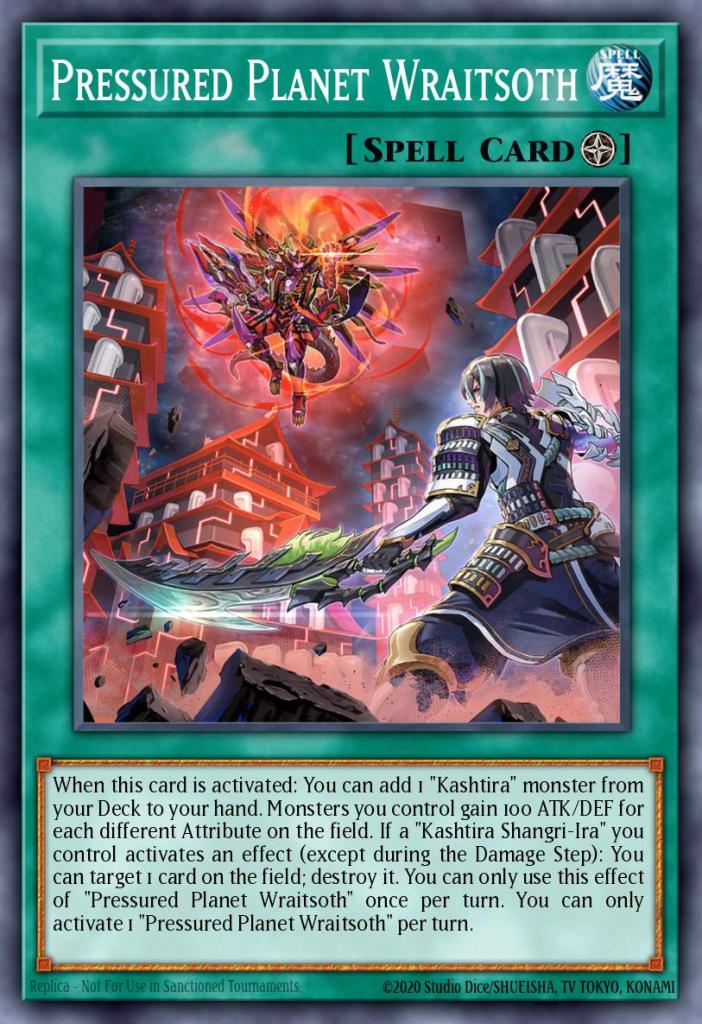
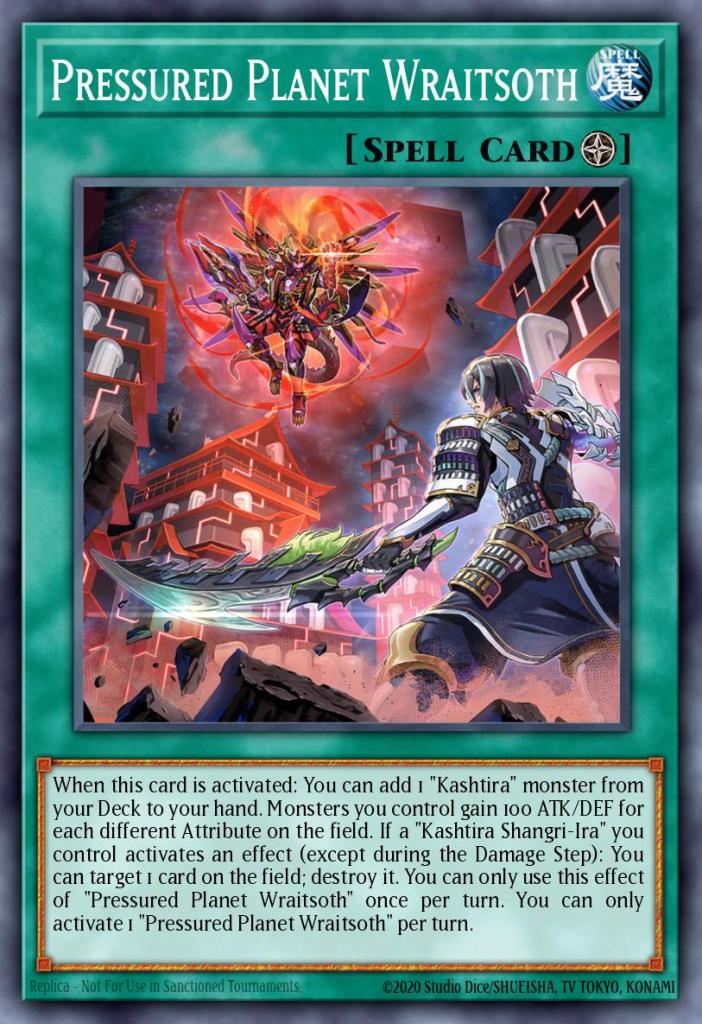
Pressured Planet Wraitsoth
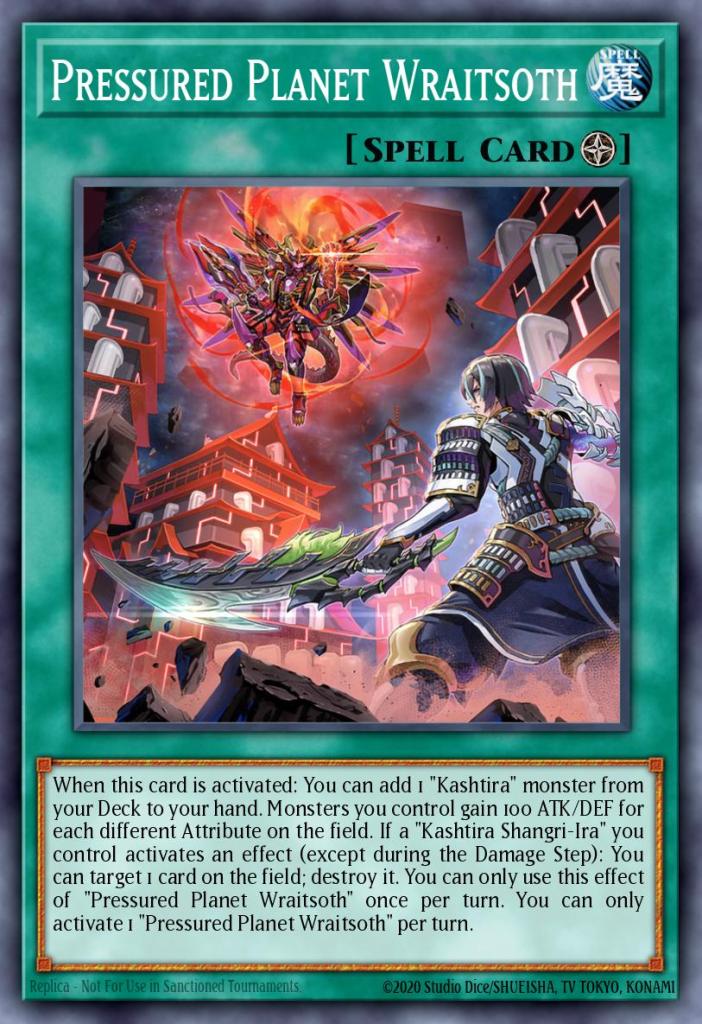
Pressured Planet Wraitsoth is both a combo searcher/starter and also has a destruction effect that synergises with the Kashtira XYZ monster Kashtira Shangri-Ira. Because it is searchable off Planet Pathfinder‘s effect, 6 out of 40 cards in your deck will result in this being in your hand to increase consistency (3 copies of Pressured Planet Wraitsoth & 3 copies of Planet Pathfinder)
On activation, it adds a Kashtira monster from your Main Deck to your hand:
- “When this card is activated: You can add 1 “Kashtira” monster from your Deck to your hand”
It also has a continuous Attack boost effect:
- “Monsters you control gain 100 ATK/DEF for each different Attribute on the field”
It also allows you to destroy a card on the field when the XYZ monster Kashtira Shangri-Ira activates an effect.
- ” If a “Kashtira Shangri-Ira” you control activates an effect (except during the Damage Step): You can target 1 card on the field; destroy it”
Kashtira Birth
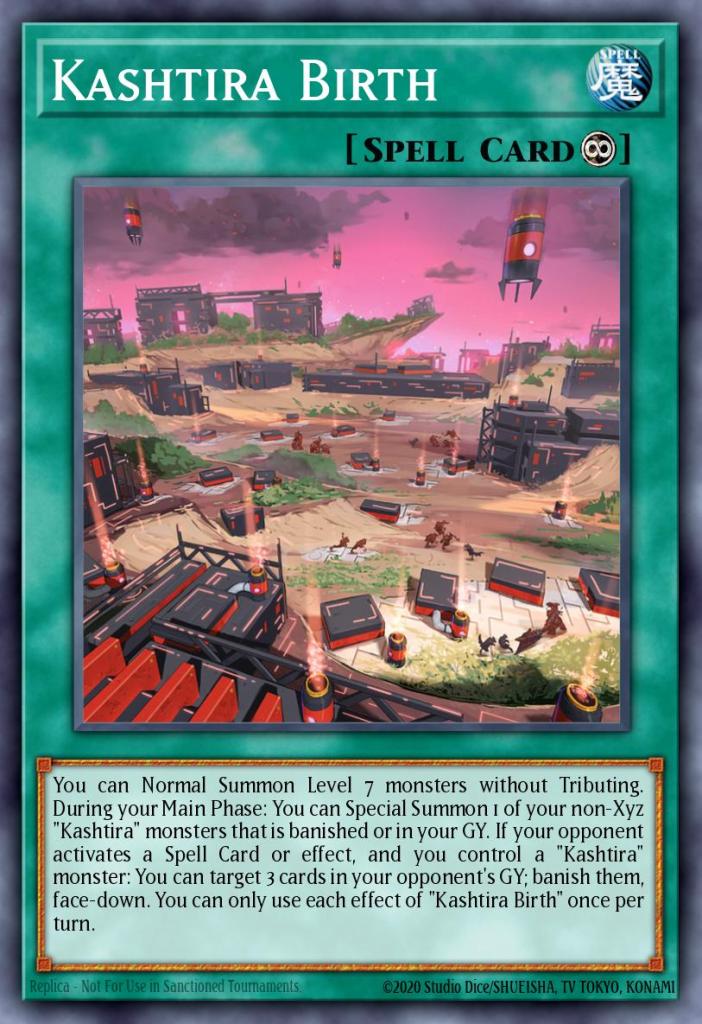
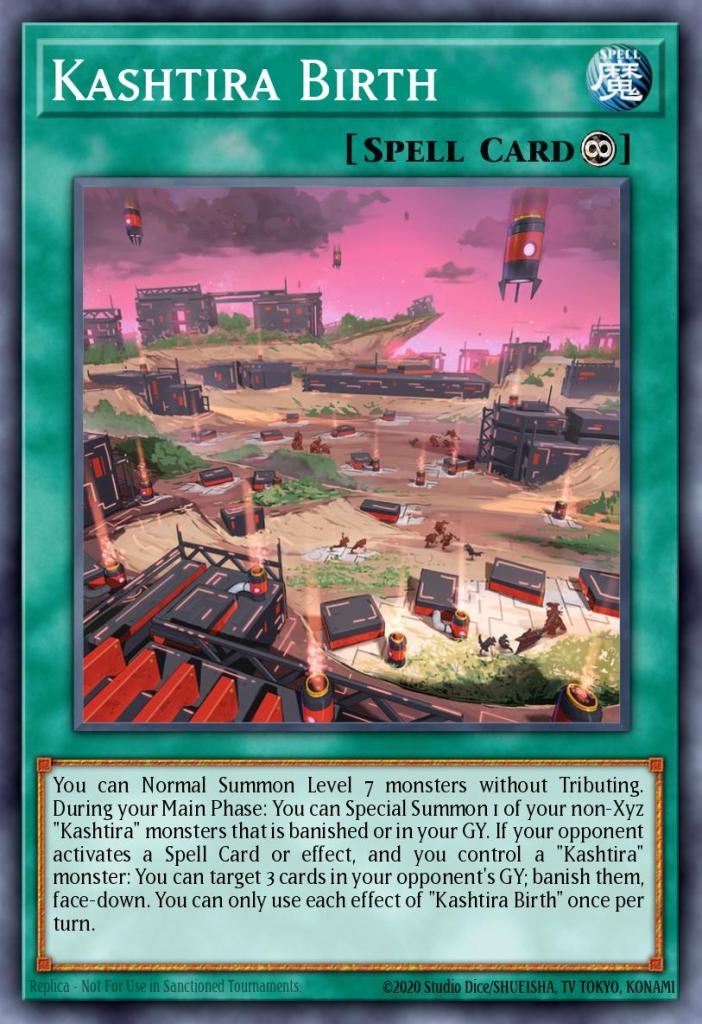
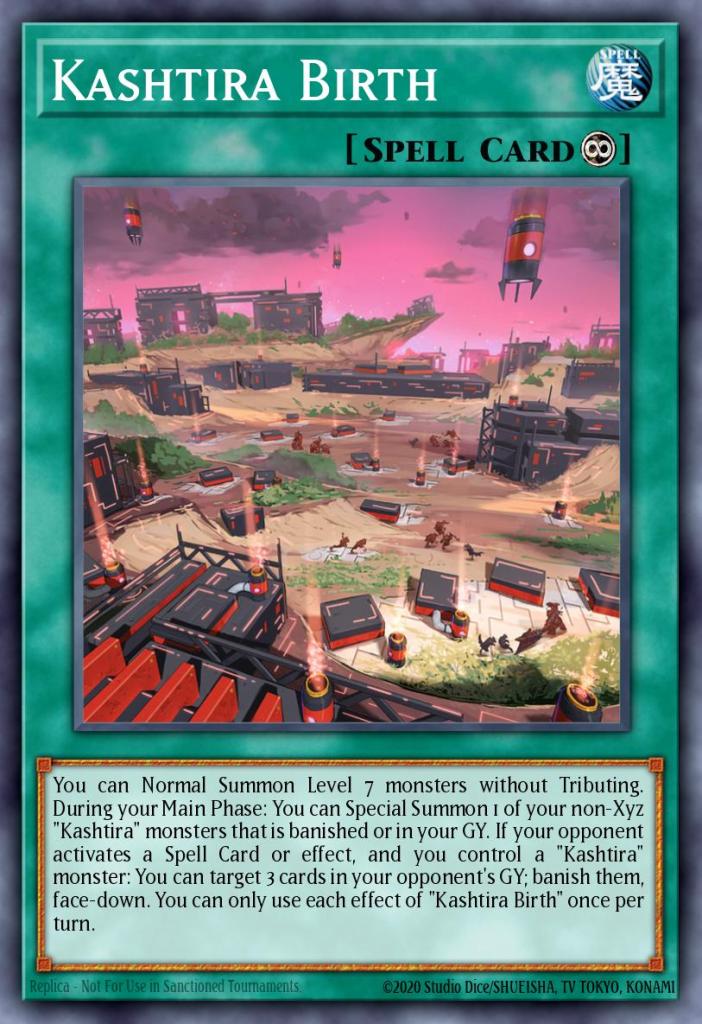
Kashtira Birth is a continuous spell and functions as an extender in the deck. It allows you to Normal Summon Level 7 monsters without Tributing. This means that if you have a monster on the field and cannot use the Special Summon effect of Kashtira Fenrir, Kastira Unicorn, or Kashtira Ogre, you can Normal Summon it instead (but you still only get 1 Normal Summon per turn)
- “You can Normal Summon Level 7 monsters without Tributing”
You can also use its effect to Special Summon a banished Kashtira Monster. This is useful as extension for when you have banished a Kashtira monster from your deck for Kashtira Riseheart‘s Level modulation effect or Tearlaments Kashtira and Scareclaw Kashtira‘s effects to summon themselves by banishing a Kashtira card from your hand or graveyard:
- Kashtira Riseheart: During your Main Phase, if this card was Normal or Special Summoned this turn: You can banish 1 “Kashtira” card from your Deck, except “Kashtira Riseheart”; banish the top 3 cards of your opponent’s Deck face-down, and if you banish any, this card’s Level becomes 7.
- Tearlaments Kashtira: “During the Main Phase (Quick Effect): You can Special Summon this card from your hand, and if you do, banish 1 “Kashtira” or “Tearlaments” card from your hand or GY”
- Scareclaw Kashtira: “During the Main Phase (Quick Effect): You can Special Summon this card from your hand, and if you do, banish 1 “Kashtira” or “Scareclaw” card from your hand or GY”
Finally, Kashtira Birth has the ability to banish cards from your opponent’s graveyard in response to them activating a spell card:
- “If your opponent activates a Spell Card or effect, and you control a “Kashtira” monster: You can target 3 cards in your opponent’s GY; banish them, face-down”
This effect also adds to further lock your opponent out of card zones through the effect of Kashtira Shangri-Ira.
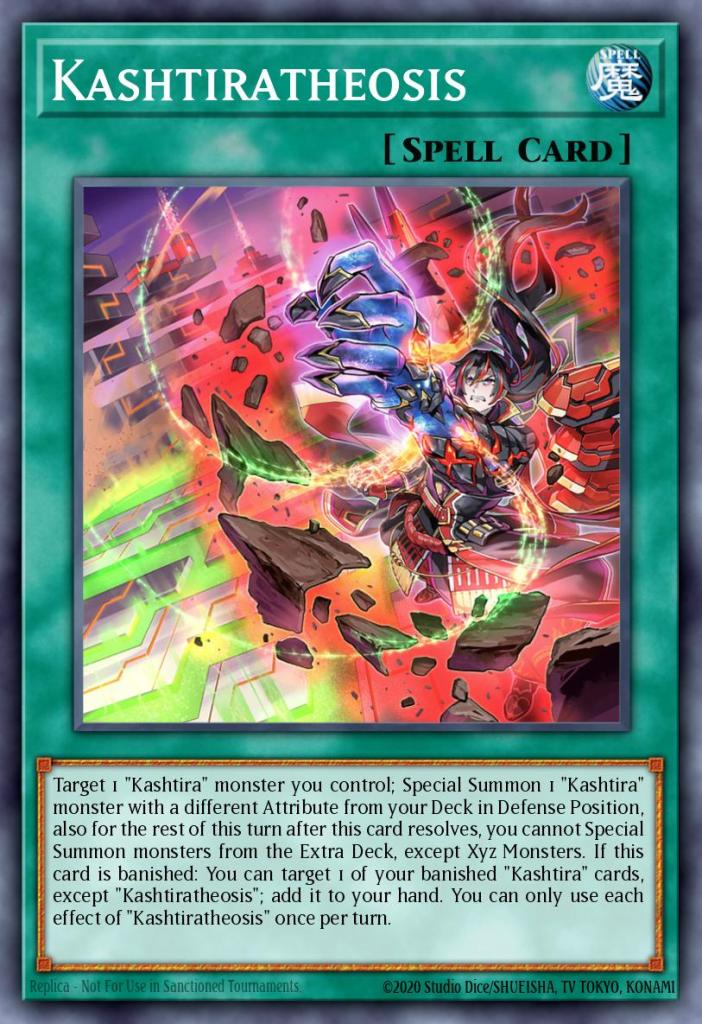
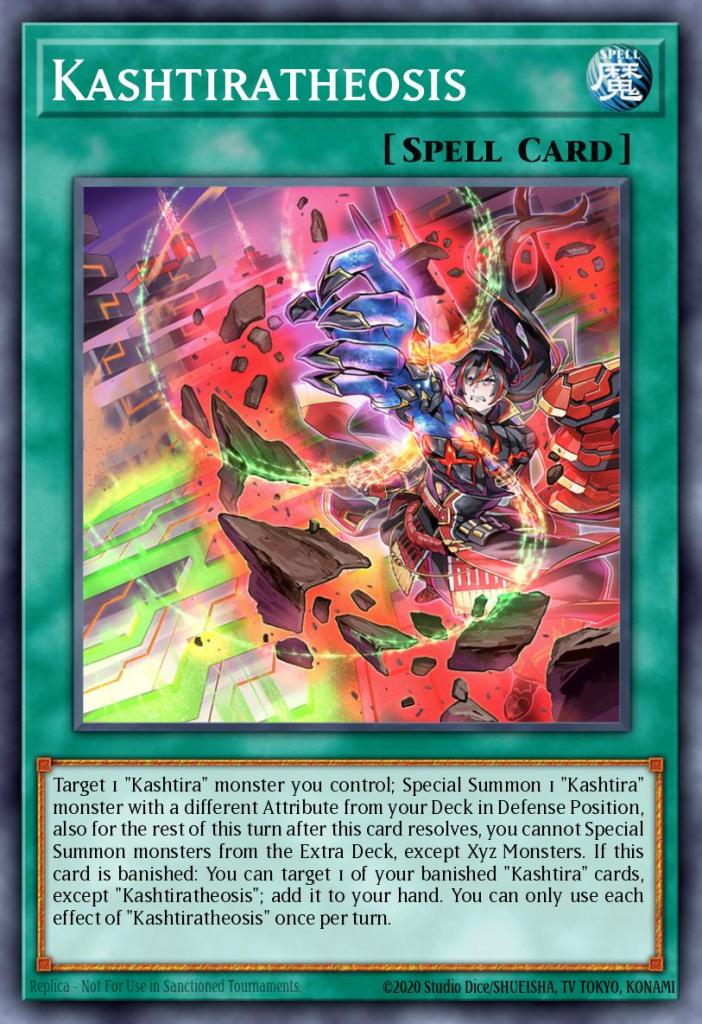
Kashtiratheosis
Kashtiratheosis is another extender in the deck, allowing you to Special Summon a Kashtira monster from your deck:
- “Target 1 “Kashtira” monster you control; Special Summon 1 “Kashtira” monster with a different Attribute from your Deck in Defense Position, also for the rest of this turn after this card resolves, you cannot Special Summon monsters from the Extra Deck, except Xyz Monsters”
It also has a recovery effect, but this is very situation-dependent. When it is banished, you can add a Kashtira card from your banishment back to your hand. This can most easily be triggered by banishing it from your Graveyard for the summoning condition of Tearlaments Kashtira or Scareclaw Kashtira.
- “If this card is banished: You can target 1 of your banished “Kashtira” cards, except “Kashtiratheosis”; add it to your hand”
The Traps
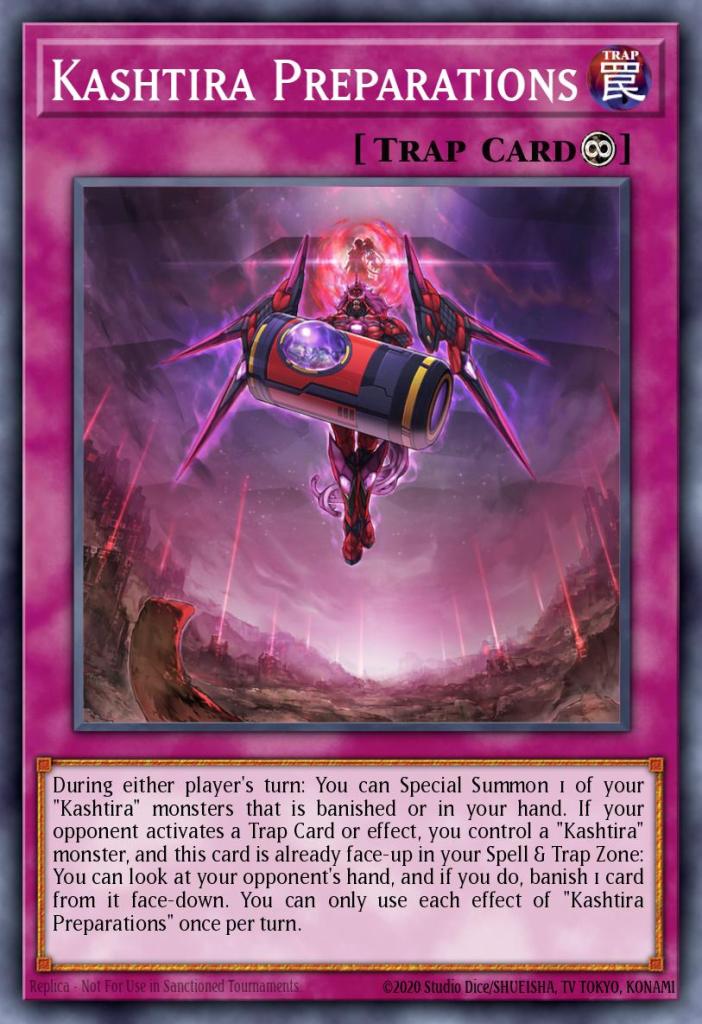
Kashtira Preparations is the continuous trap in the deck and is a useful extender. It’s main function is to special summon Kashtira Monsters from banishment.
- “During either player’s turn: You can Special Summon 1 of your “Kashtira” monsters that is banished or in your hand”
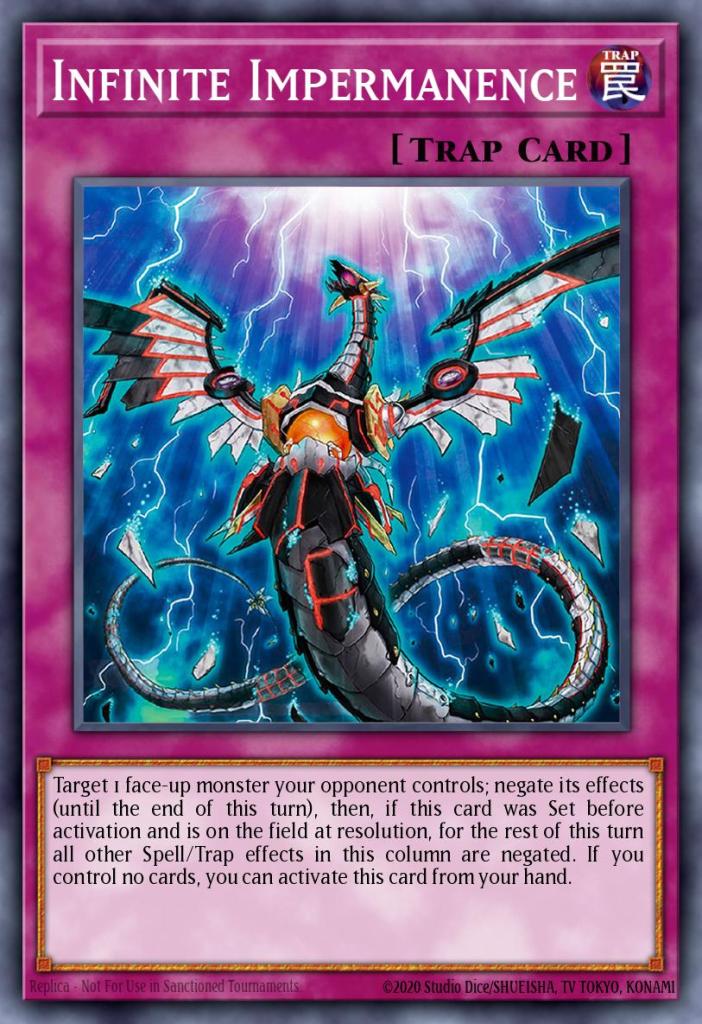
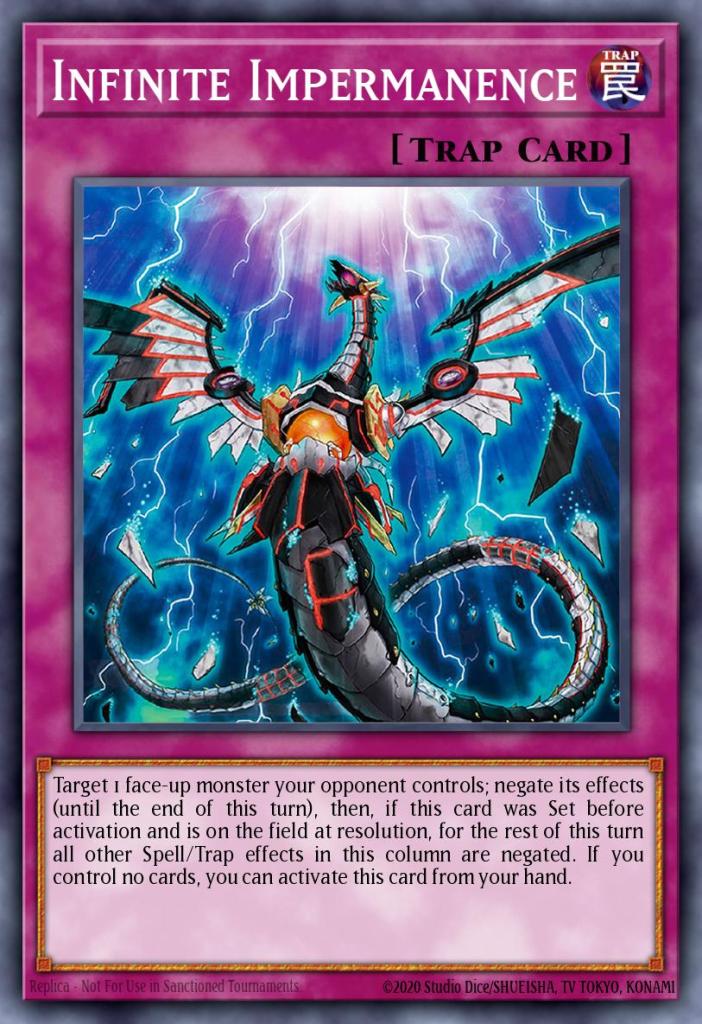
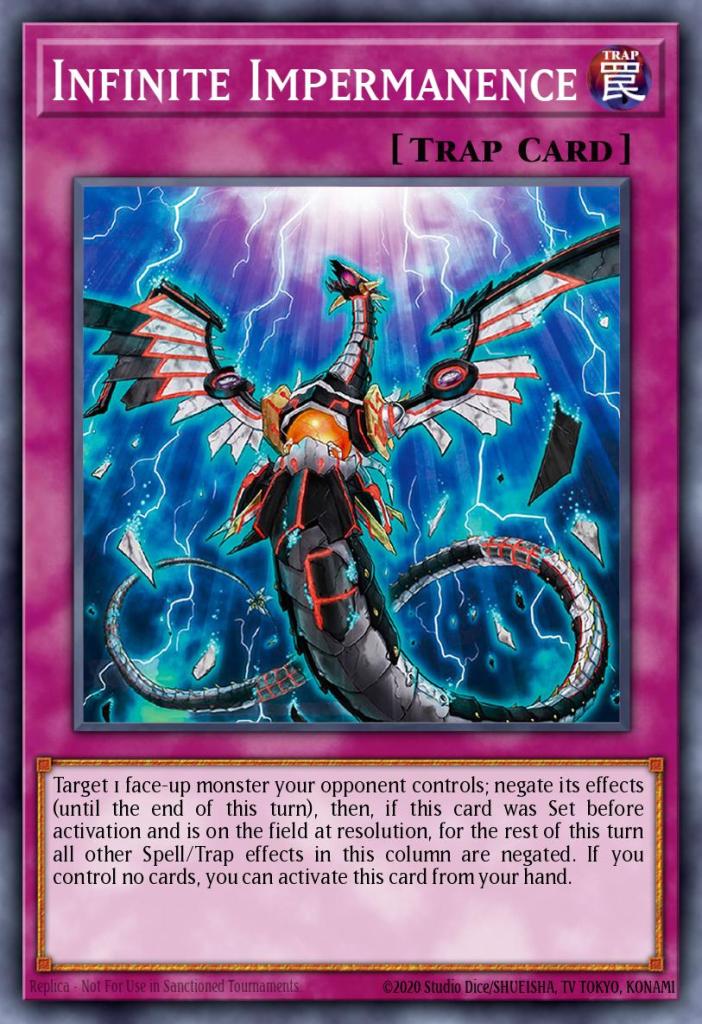
While the second effect is incredibly powerful if it can trigger, it is very situational and its ability to trigger depends on the deck you are playing against and the format. The effect allows you to look at your opponents hand and banish a card from it face down in response to a trap card activation. Because traps are slow in the sense that they have to be set a turn before using them, they often don’t see play until later in the game, if they are included at all. A common staple was Infinite Impermanence, but this card is starting to see less play, and many decks play no traps at all. So while the effect is very powerful, it is unlikely to be triggered often.
- “If your opponent activates a Trap Card or effect, you control a “Kashtira” monster, and this card is already face-up in your Spell & Trap Zone: You can look at your opponent’s hand, and if you do, banish 1 card from it face-down”
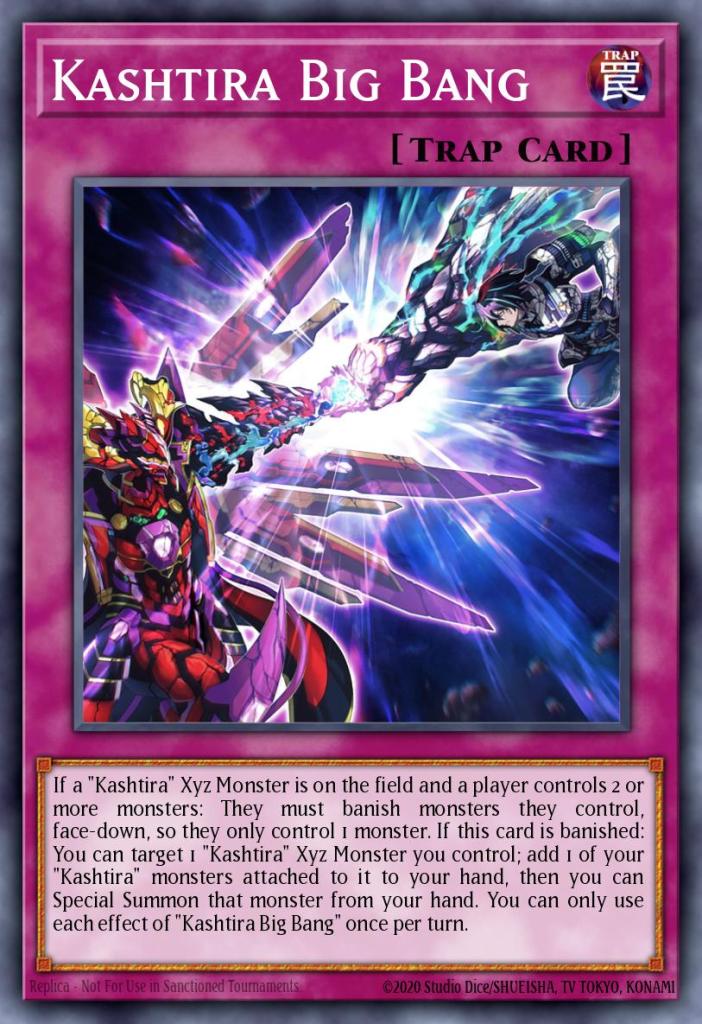
Kashtira Big Bang is an optional card in my opinion, but it can be useful depending on the situation. If a Kashtira XYZ monster is on the field, players banish monsters from their field so they only control 1 monster. This can be useful in scenarios where Kashtira Preparations is already on the field, so you can immediately summon back a Kashtira monster that you banish. Likewise, you can summon back a monster with Kashtira Birth on your turn.
- “If a “Kashtira” Xyz Monster is on the field and a player controls 2 or more monsters: They must banish monsters they control, face-down, so they only control 1 monster”
As with Kashtiratheosis‘ second effect, this next effect is situational and can most easily be triggered by banishing it from your Graveyard for the summoning condition of Tearlaments Kashtira or Scareclaw Kashtira
- “If this card is banished: You can target 1 “Kashtira” Xyz Monster you control; add 1 of your “Kashtira” monsters attached to it to your hand, then you can Special Summon that monster from your hand”
Combos
This is the most simple combo and you can achieve the same results starting with Pressured Planet Wraitsoth or Planet Pathfinder (detailed later)
Simple Combo
This combo starts with Kastira Unicorn
- Special Summon Kastira Unicorn.
- “If you control no monsters, you can Special Summon this card (from your hand)”
- Activate the effect of Kastira Unicorn.
- “During your Main Phase: You can add 1 “Kashtira” Spell from your Deck to your hand”
- Add Kashtiratheosis
- Activate Kashtiratheosis.
- “Target 1 “Kashtira” monster you control; Special Summon 1 “Kashtira” monster with a different Attribute from your Deck in Defense Position, also for the rest of this turn after this card resolves, you cannot Special Summon monsters from the Extra Deck, except Xyz Monsters”
- Special Summon Kashtira Fenrir.
- Activate the effect of Kashtira Fenrir.
- “During your Main Phase: You can add 1 “Kashtira” monster from your Deck to your hand”
- Add Kashtira Riseheart
- Special Summon Kashtira Riseheart.
- “If you control a “Kashtira” monster: You can Special Summon this card from your hand, also you cannot Special Summon monsters from the Extra Deck for the rest of this turn, except Xyz Monsters”
- Activate the effect of Kashtira Riseheart to make it Level 7.
- “During your Main Phase, if this card was Normal or Special Summoned this turn: You can banish 1 “Kashtira” card from your Deck, except “Kashtira Riseheart”; banish the top 3 cards of your opponent’s Deck face-down, and if you banish any, this card’s Level becomes 7″
- Use Kashtira Riseheart and Kashtira Fenrir as materials from your field to XYZ summon Kashtira Shangri-Ira.
- Then set any traps etc. and end your turn
- Dusing your opponent’s Standby Phase, activate the effect of Kashtira Shangri-Ira to Special Summon Kashtira Fenrir
- “During each Standby Phase: You can Special Summon 1 “Kashtira” monster from your Deck”
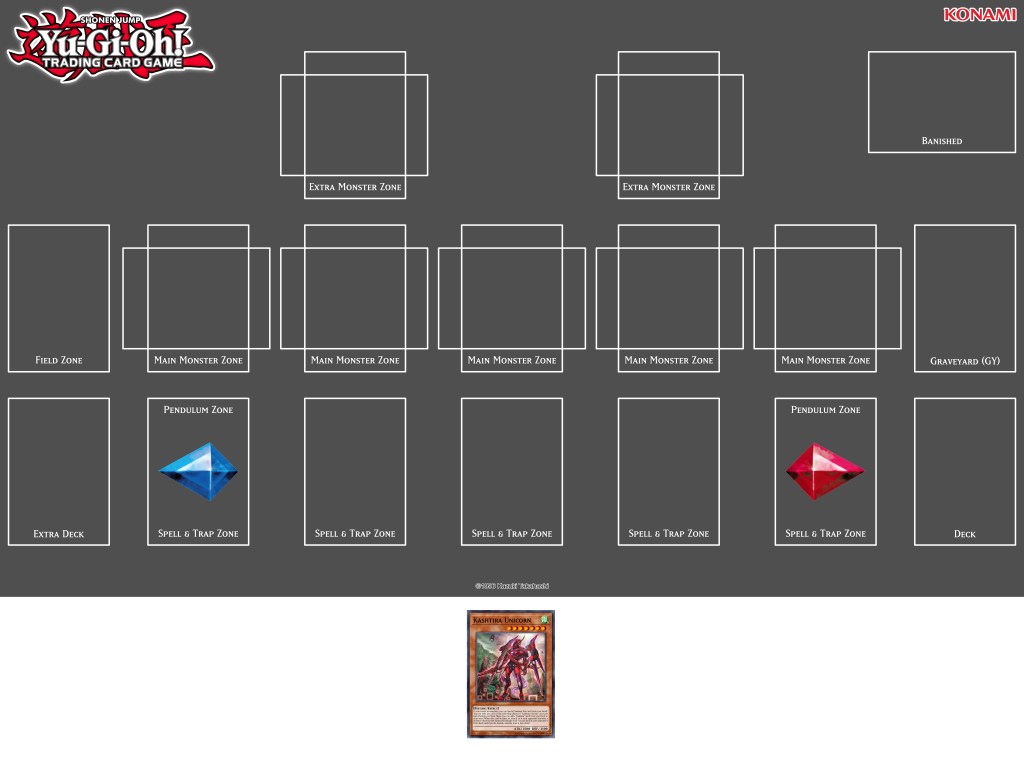
Scroll through the slideshow to see the combo 
Special Summon Kastira Unicorn. “If you control no monsters, you can Special Summon this card (from your hand)” 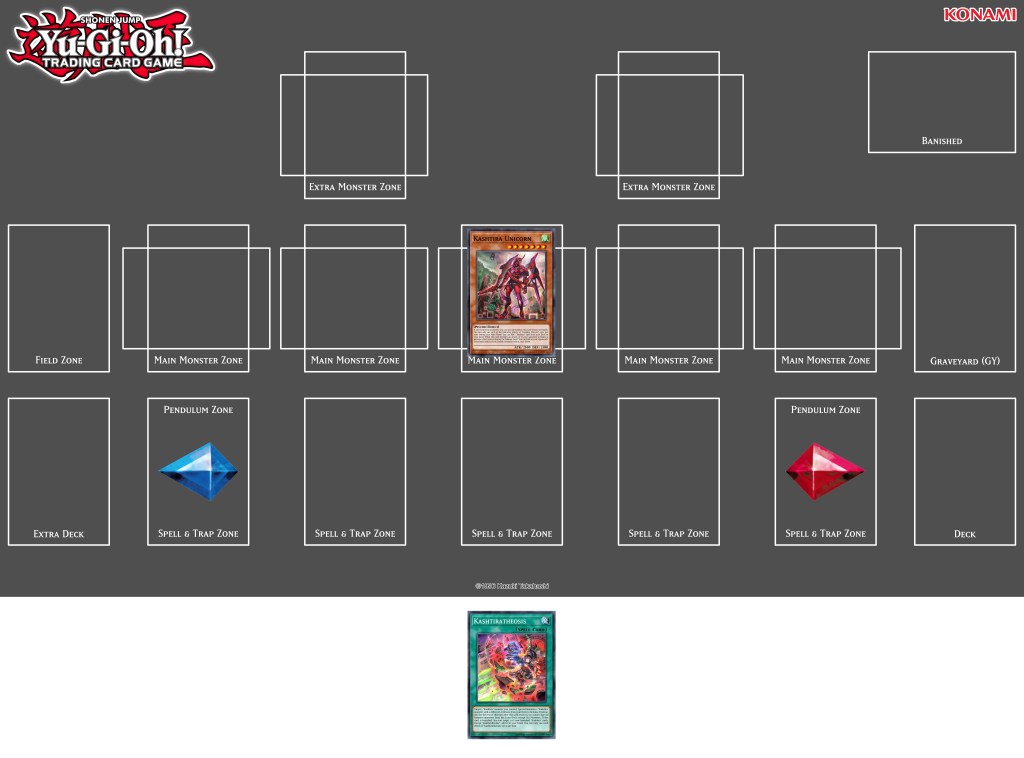
Activate the effect of Kastira Unicorn. “During your Main Phase: You can add 1 “Kashtira” Spell from your Deck to your hand” Add Kashtiratheosis 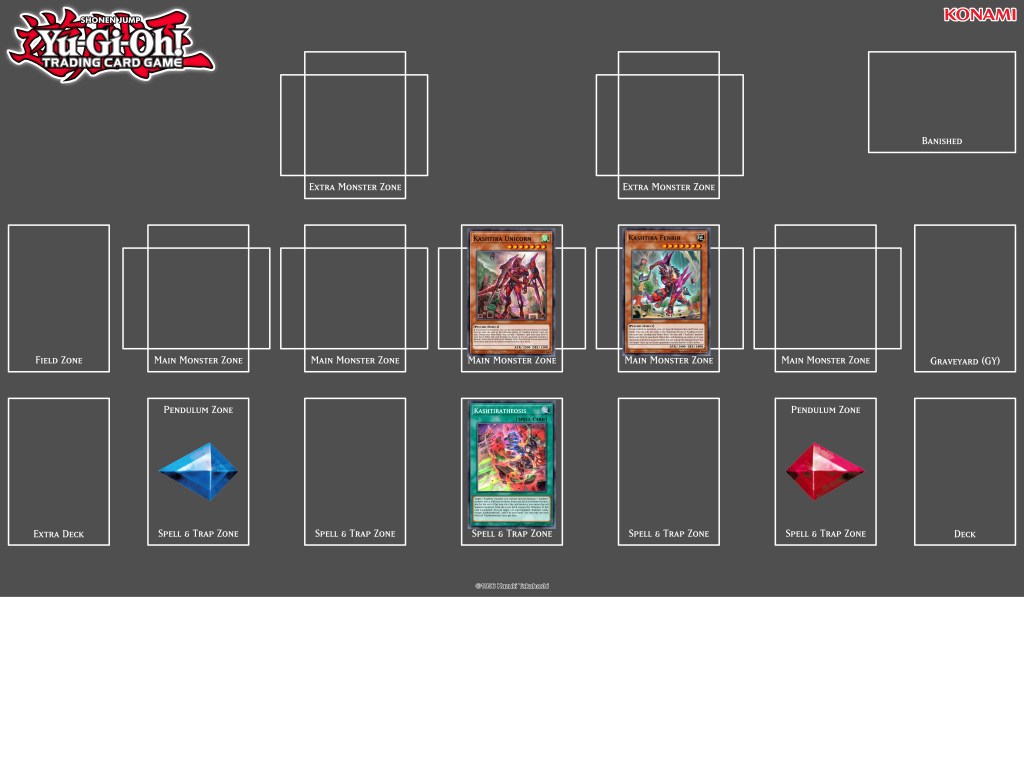
Activate Kashtiratheosis. “Target 1 “Kashtira” monster you control; Special Summon 1 “Kashtira” monster with a different Attribute from your Deck in Defense Position, also for the rest of this turn after this card resolves, you cannot Special Summon monsters from the Extra Deck, except Xyz Monsters” Special Summon Kashtira Fenrir. 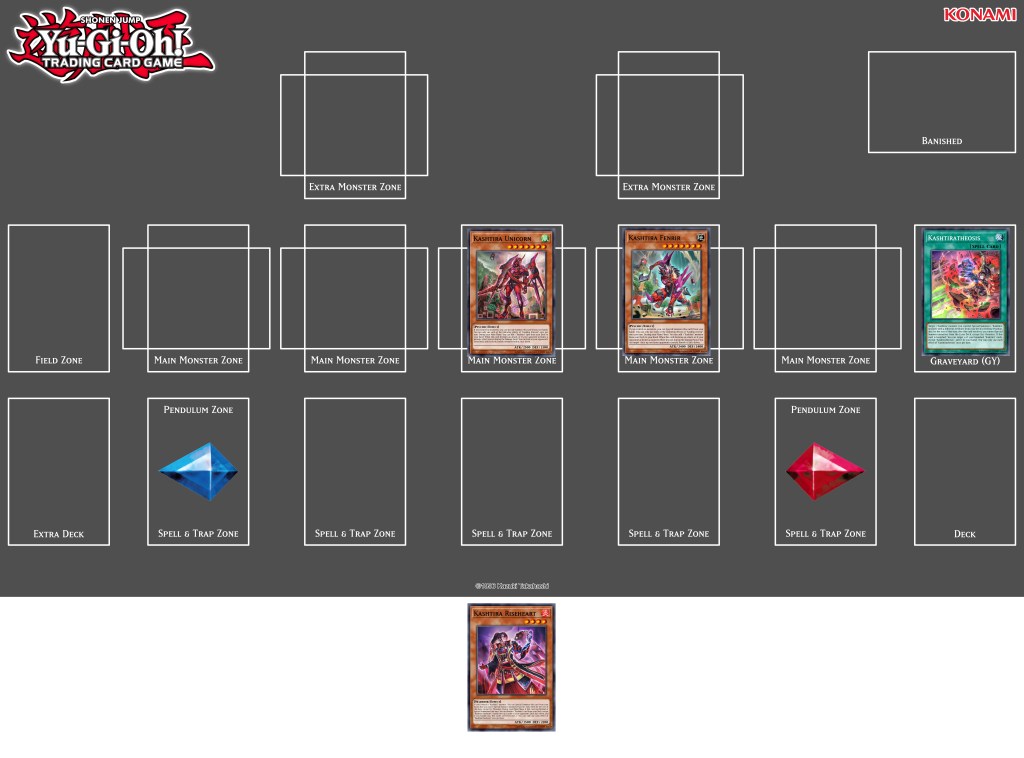
Activate the effect of Kashtira Fenrir. “During your Main Phase: You can add 1 “Kashtira” monster from your Deck to your hand” Add Kashtira Riseheart 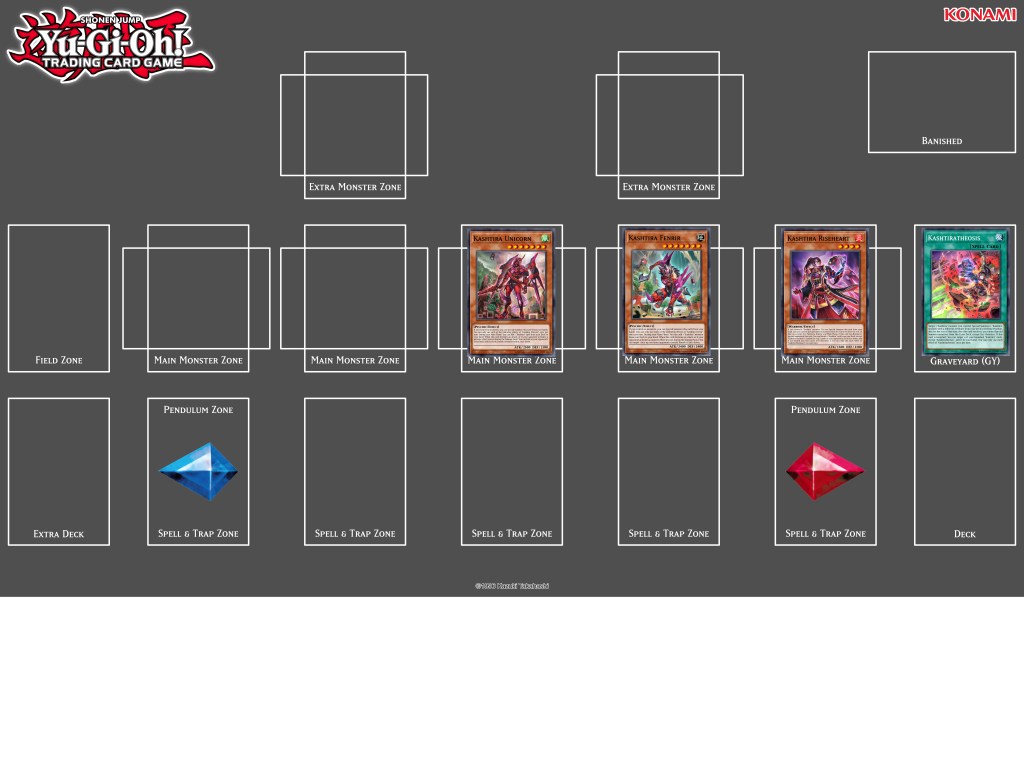
Special Summon Kashtira Riseheart. “If you control a “Kashtira” monster: You can Special Summon this card from your hand, also you cannot Special Summon monsters from the Extra Deck for the rest of this turn, except Xyz Monsters” 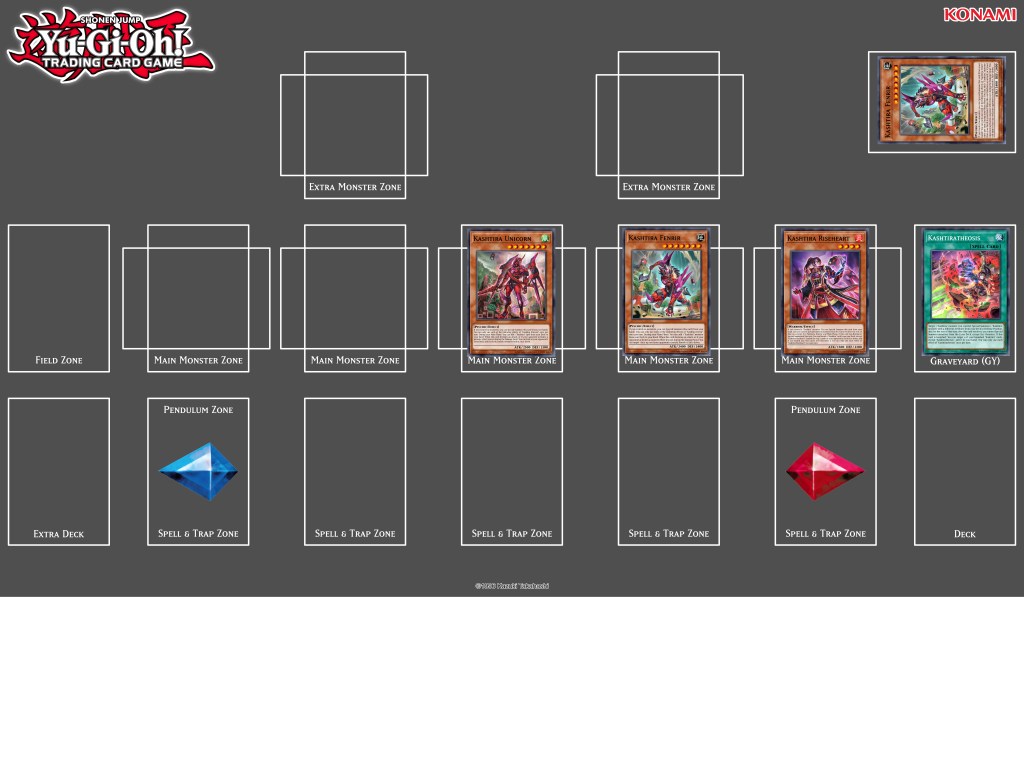
Activate the effect of Kashtira Riseheart to make it Level 7. “During your Main Phase, if this card was Normal or Special Summoned this turn: You can banish 1 “Kashtira” card from your Deck, except “Kashtira Riseheart”; banish the top 3 cards of your opponent’s Deck face-down, and if you banish any, this card’s Level becomes 7″ 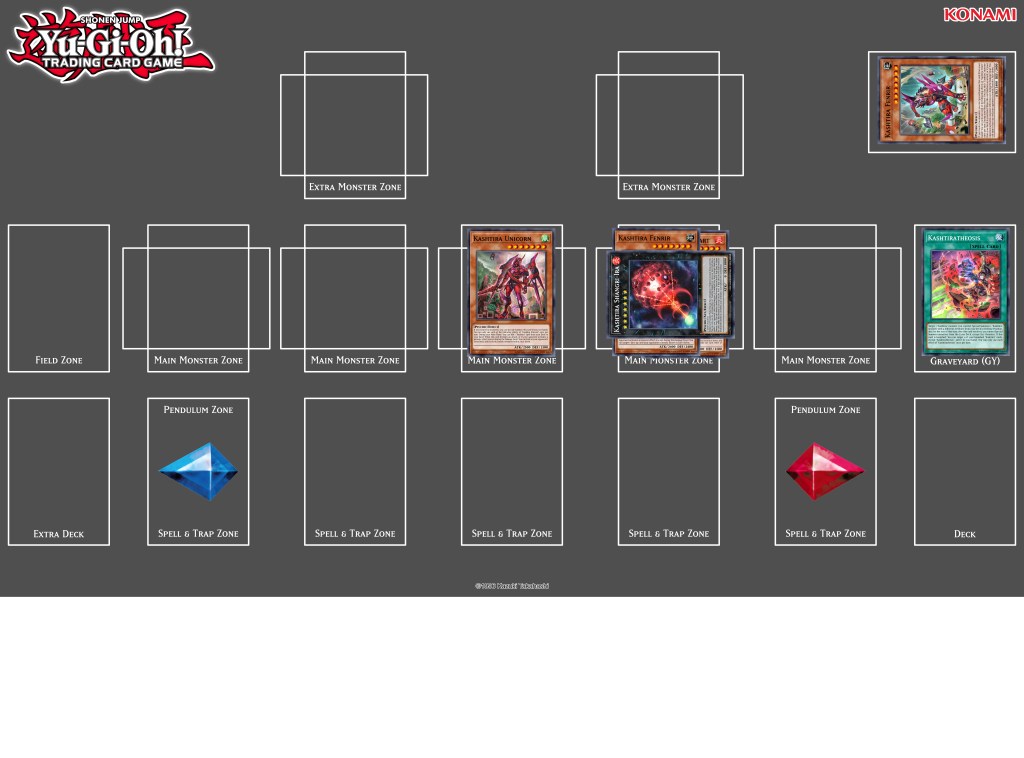
Use Kashtira Riseheart and Kashtira Fenrir as materials from your field to XYZ summon Kashtira Shangri-Ira. Then set any traps etc. and end your turn 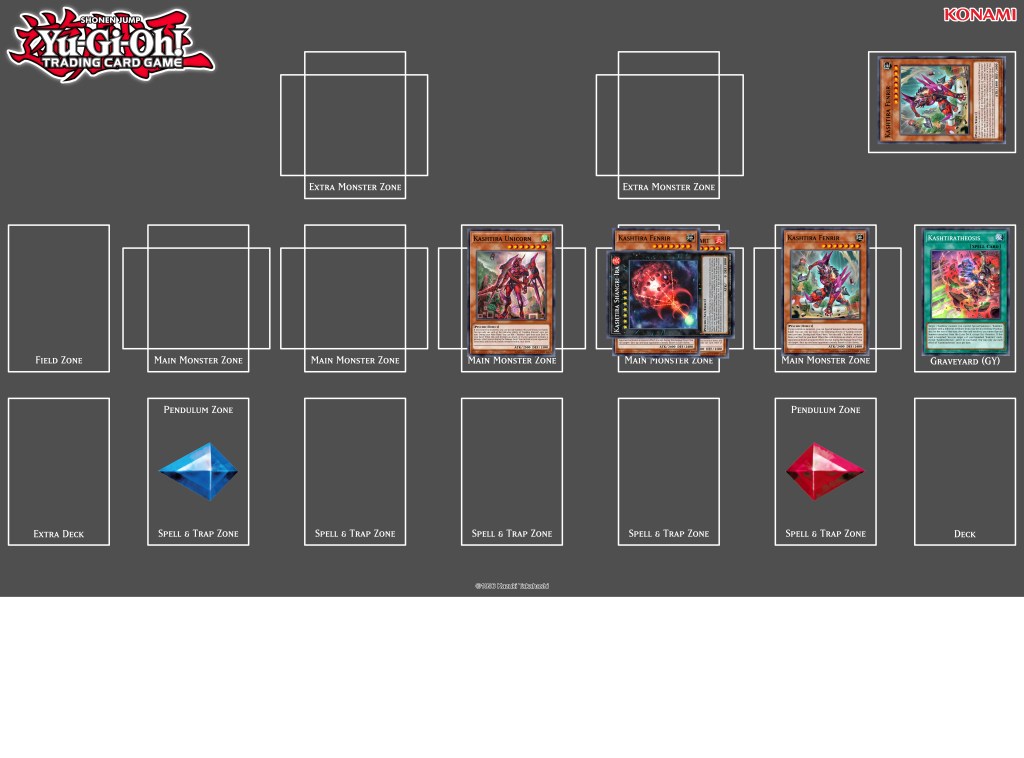
Dusing your opponent’s Standby Phase, activate the effect of Kashtira Shangri-Ira to Special Summon Kashtira Fenrir “During each Standby Phase: You can Special Summon 1 “Kashtira” monster from your Deck”
Searching the Combo
The same combo can be started with either Planet Pathfinder or Pressured Planet Wraitsoth
- Normal Summon Planet Pathfinder
- Activate the effect of Planet Pathfinder to add Pressured Planet Wraitsoth to your Hand.
- “You can Tribute this card; add 1 Field Spell Card from your Deck to your hand”
- Activate Pressured Planet Wraitsoth and add Kastira Unicorn from your deck to your Hand.
- “When this card is activated: You can add 1 “Kashtira” monster from your Deck to your hand”
- Start the previous combo with Kastira Unicorn
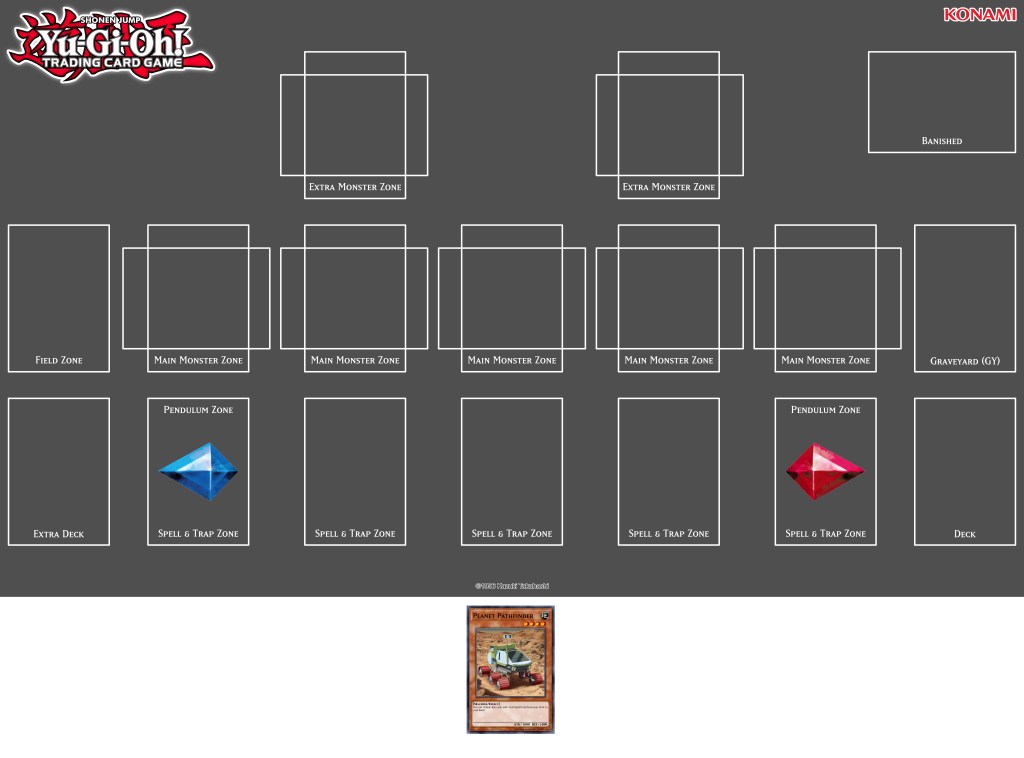
Scroll through the slideshow to see the combo 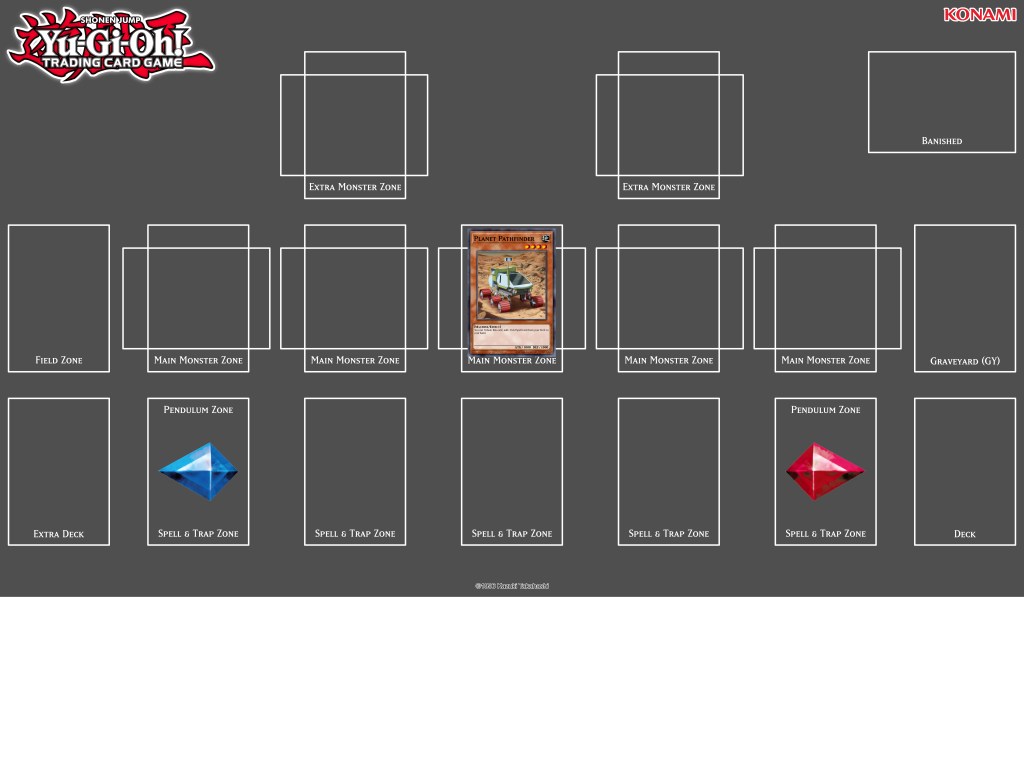
Normal Summon Planet Pathfinder 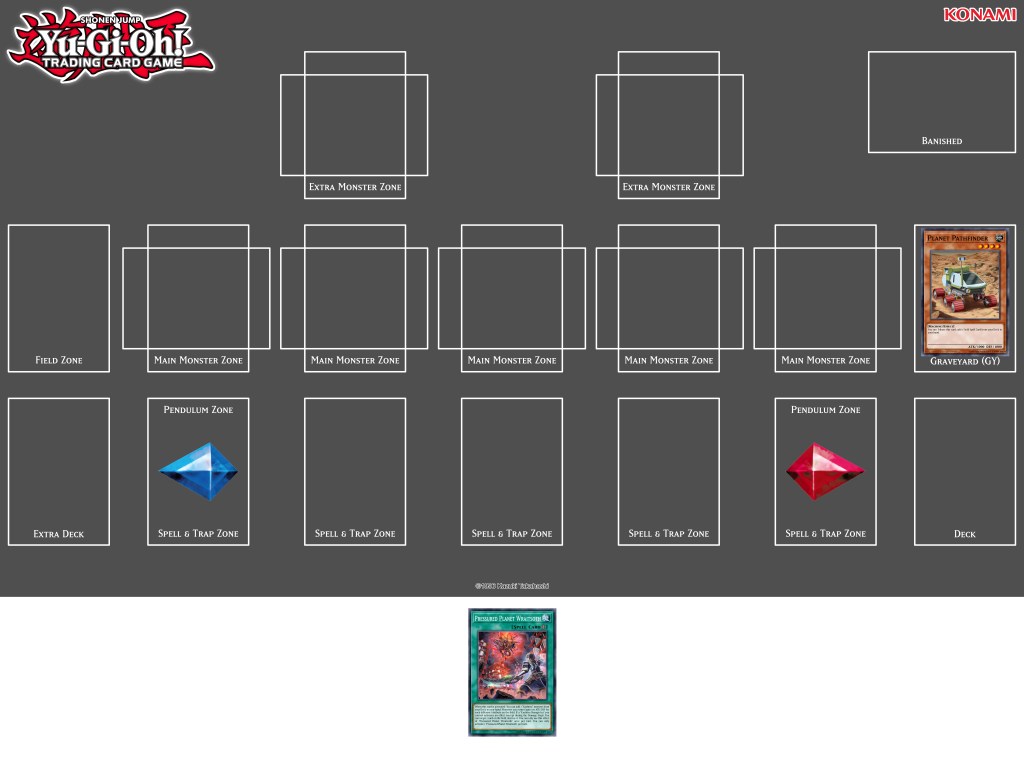
Activate the effect of Planet Pathfinder to add Pressured Planet Wraitsoth to your Hand. “You can Tribute this card; add 1 Field Spell Card from your Deck to your hand” 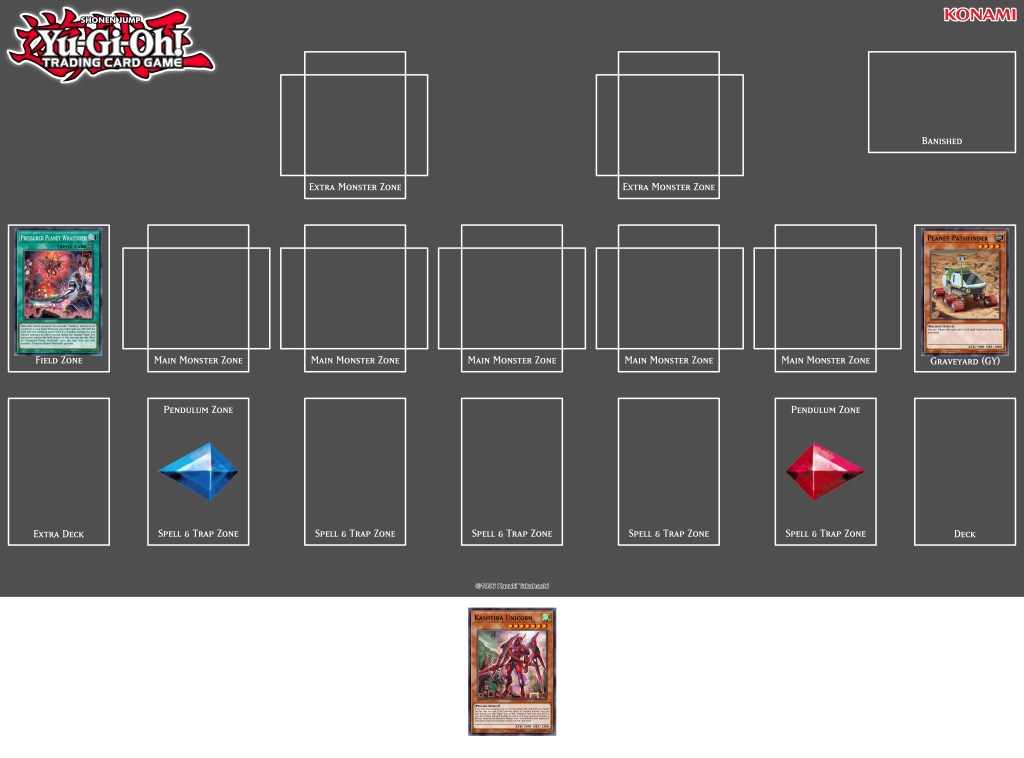
Activate Pressured Planet Wraitsoth and add Kastira Unicorn from your deck to your Hand. “When this card is activated: You can add 1 “Kashtira” monster from your Deck to your hand”
 60 Card Slop
Leave a comment