

The Rules
- Main Deck: 40 to 60 cards.
- Extra Deck: 0 to 15 cards (Fusion, Synchro, Xyz, Link).
- Side Deck: 0 to 15 cards (used in best-of-3 matches).
- Card Limit: Maximum 3 copies of any card with the same name.
Modern Practicality
Deck Size:
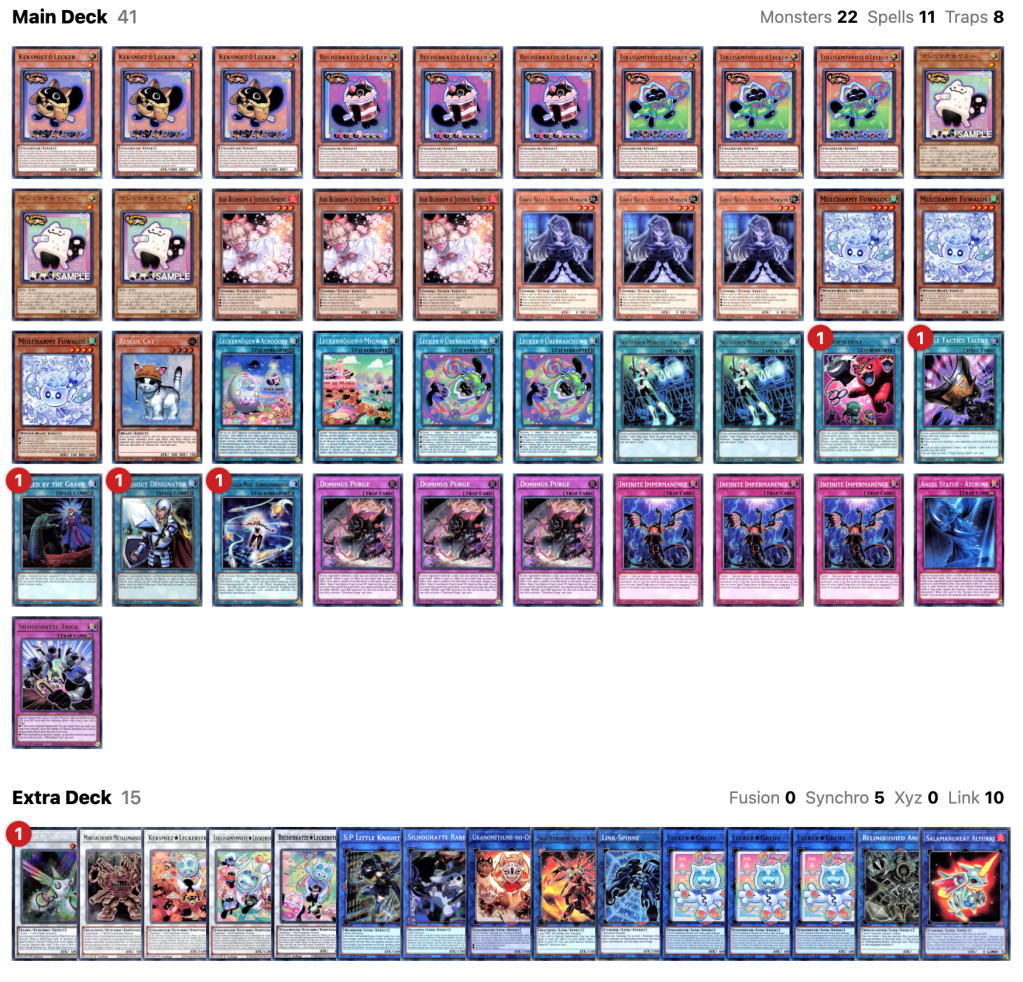
The competitive standard is 40 cards. This maximises consistency for drawing key “starters” and executing specific combo lines by reducing variables. Conversely, 60-card decks allow for multiple distinct engines within one list. These require dynamic navigation of non-linear play styles. While generally less consistent, they offer a higher power ceiling through access to a wider range of impactful cards.
Card Ratios:
In terms of the game rules and mechanics, card types are divided into Monsters, Spells and Traps. However, in terms of strategy, cards can also be divided into their functional application such as engine pieces like combo starters, extenders or end pieces, and non-engine cards for interruption of your opponents effects. These divisions often do not correlate with categories of Monster, Spell and Trap, and combo starters or extenders can often be Monsters and/or Spells, and non-engine interruption is often made up of Monsters and Traps.
- Starters: Cards that begin your combo immediately (e.g., a monster that searches another monster on summon).
- Extenders: Cards that special summon themselves to help you play through interruptions or build larger boards.
- Non-Engine/Tech: Cards not part of your core strategy but used to stop the opponent (Hand Traps) or break their board (Board Breakers).
- “Bricks”: Slang for cards that are required for a combo to work, but you never want to draw. Minimise these.
Card Types
Monsters:
Main Deck Monsters:
- Normal Monsters: Have no effects. They rely on raw stats or specific support cards.
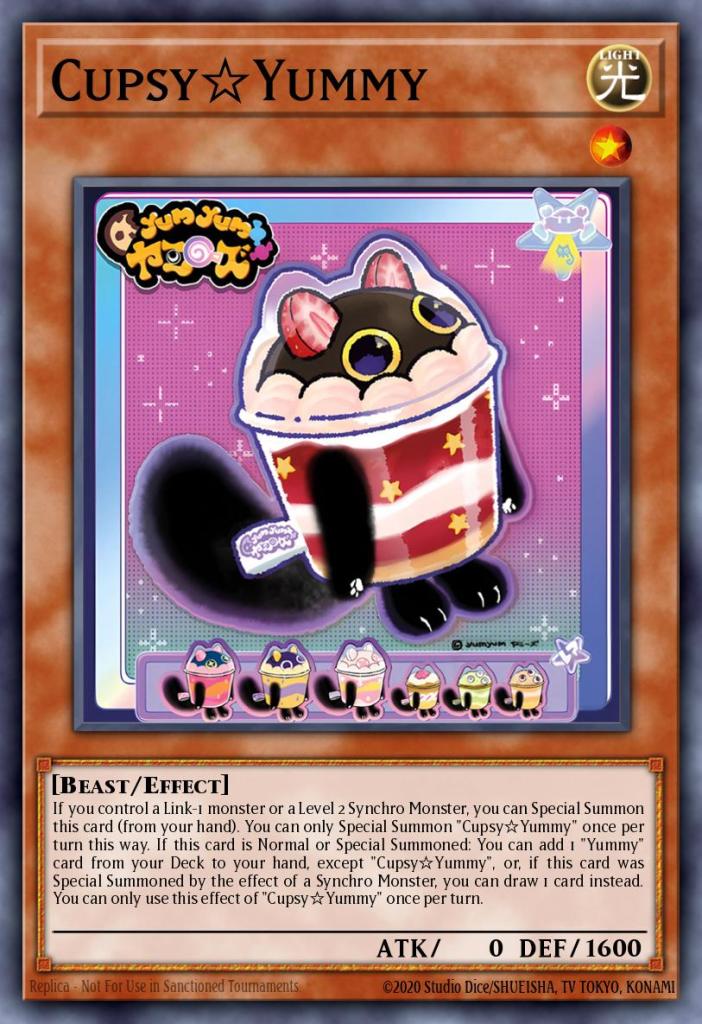
- Effect Monsters: Possess abilities that drive the game (e.g., searching, destroying, negating).
- Ritual Monsters (Blue): A type of Monster stored in the Main Deck that require a specific Ritual Spell/card effect to summon.


Extra Deck Monsters:
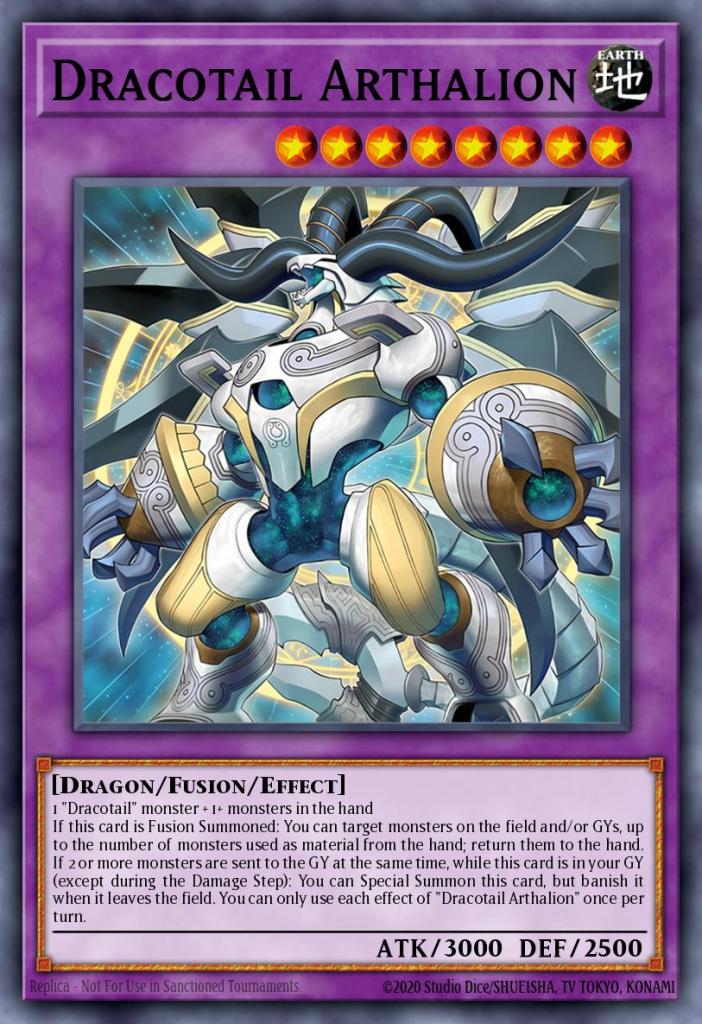
- Fusion (Purple): A type of Monster stored in the Extra Deck that requires a specific Fusion Spell/card effect to summon.
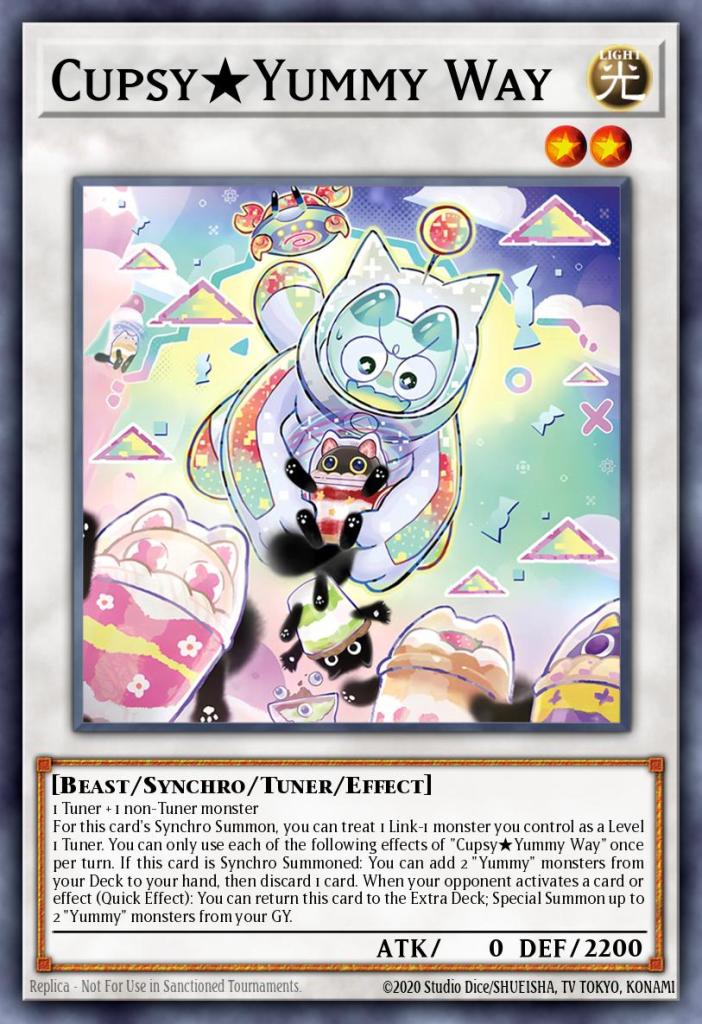
- Synchro (White): A type of Monster stored in the Extra Deck that requires a Tuner Monster to summon
- Xyz (Black): A type of Monster stored in the Extra Deck that attaches the listed monsters to it as material (stacks them physically underneath the card) to detach for effect activation
- Link (Blue): A type of Monster stored in the Extra Deck that can only be summoned to the Extra Monster Zone, or to zones that another Link Monster points to.
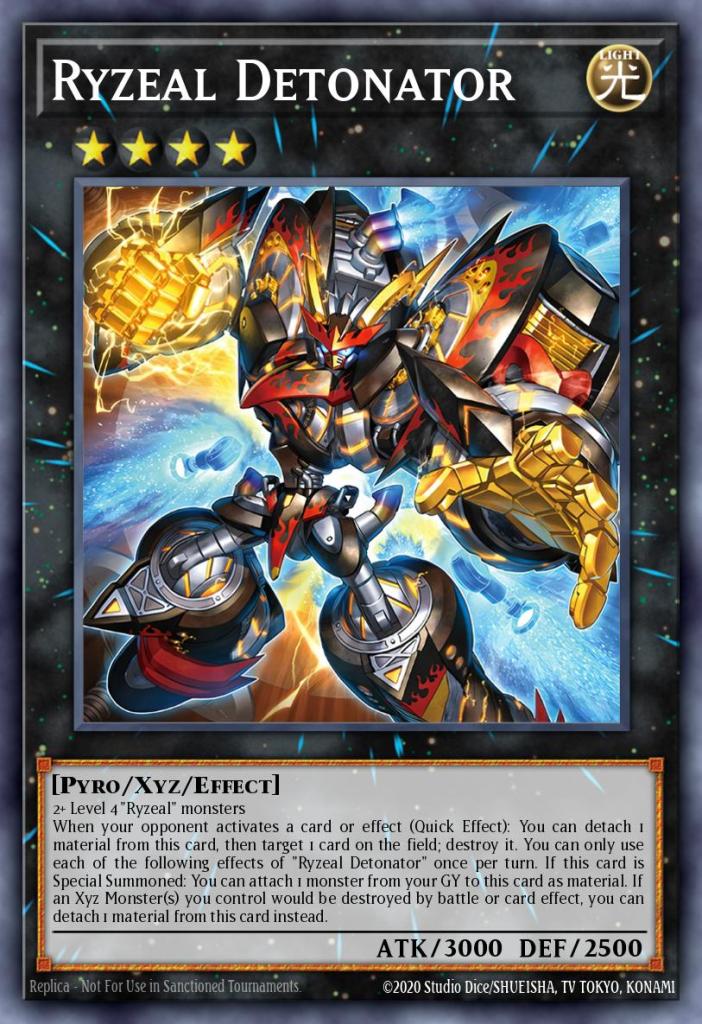
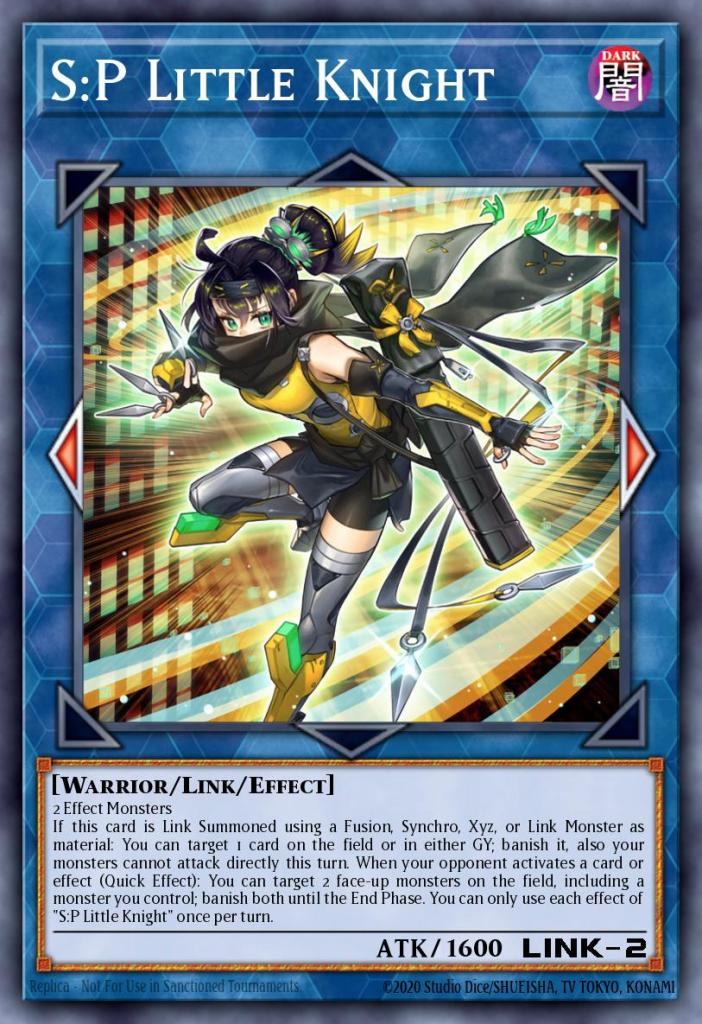
Key Characteristics:
All monsters have an Attribute and a Type
- Attribute: The element in the top-right corner (e.g., DARK, LIGHT, EARTH).
- Type: Listed above the text box (e.g., Dragon, Warrior, Cyberse).
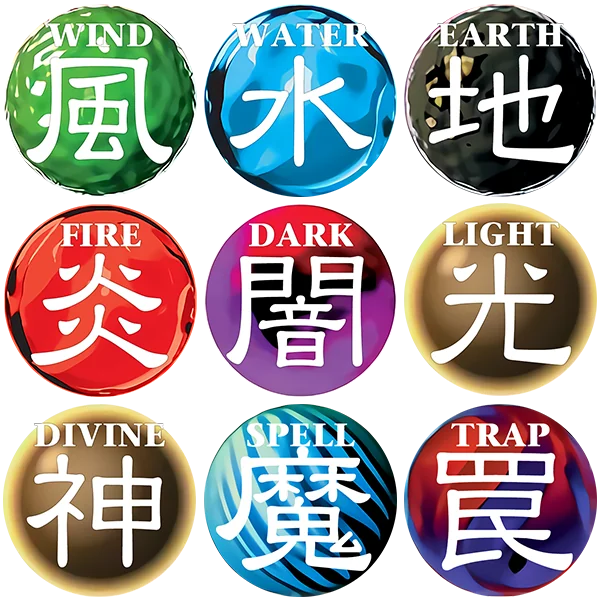
Level/Rank/Link Rating:
- Level: Stars on the right (Normal, Effect, Ritual, Fusion, Synchro).
- Rank: Stars on the left (Xyz Monsters only). Xyz monsters do not have Levels.
- Link Rating: Number in the bottom right (Link Monsters only). Link monsters have no Defense points and cannot exist in Defense Position.
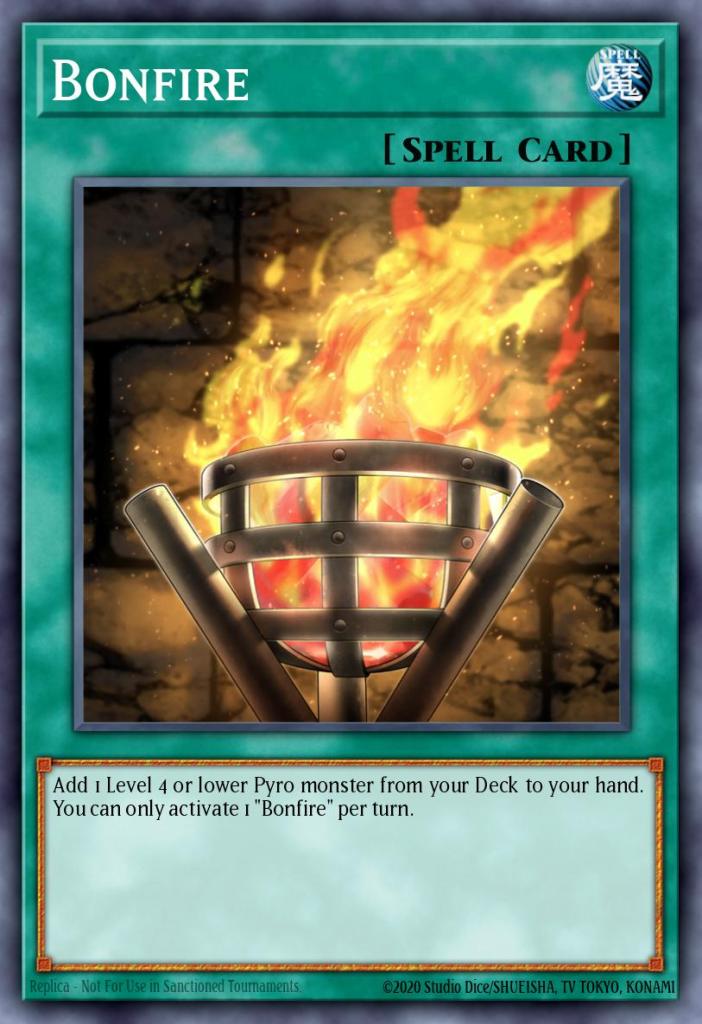
Spells:
Green-framed cards typically activated during your Main Phase.
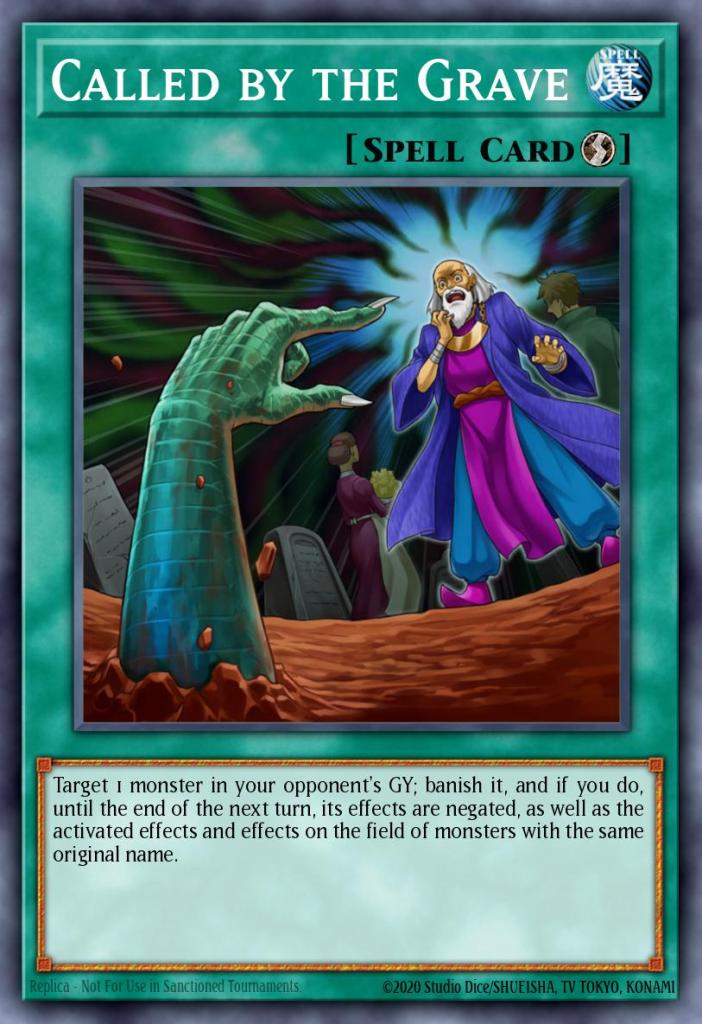
- Normal Spells (No Icon): Single-use effects. Sent to the GY after resolution.
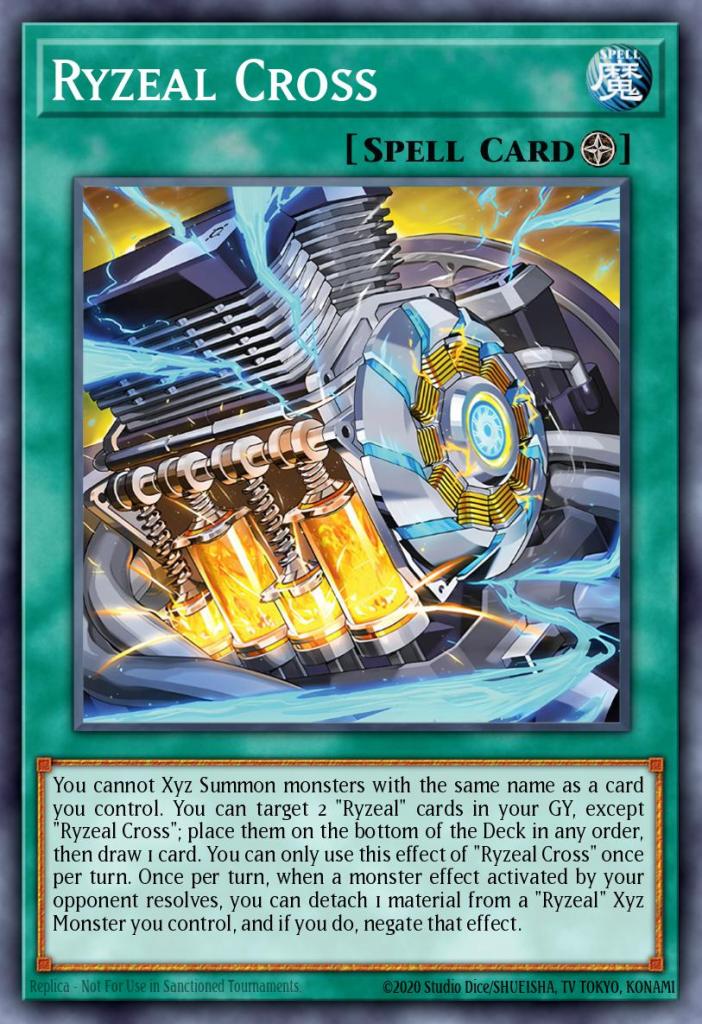
- Field Spells (Compass Icon): Placed in the Field Zone. Affect the entire board and stay on the field until removed or replaced.
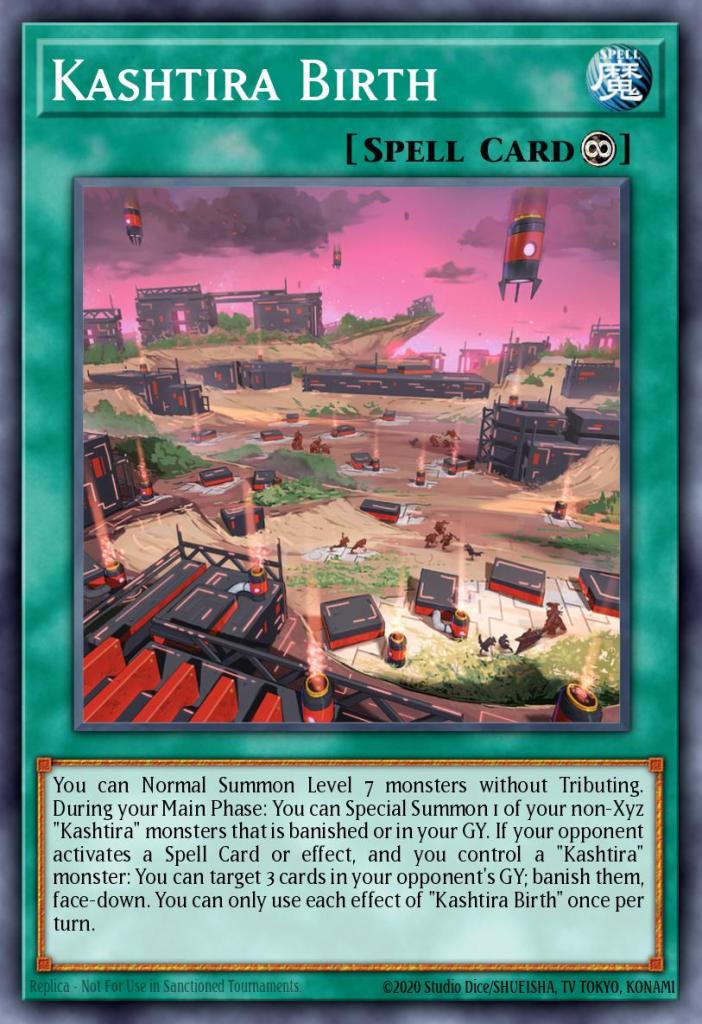
- Continuous Spells (Infinity Icon): Remain on the field after activation to provide ongoing effects. If destroyed before they resolve, their effects usually do not apply.
- Quick-Play Spells (Lightning Icon): Spell Speed 2. Can be played from your hand during your turn, or Set and activated during your opponent’s turn.
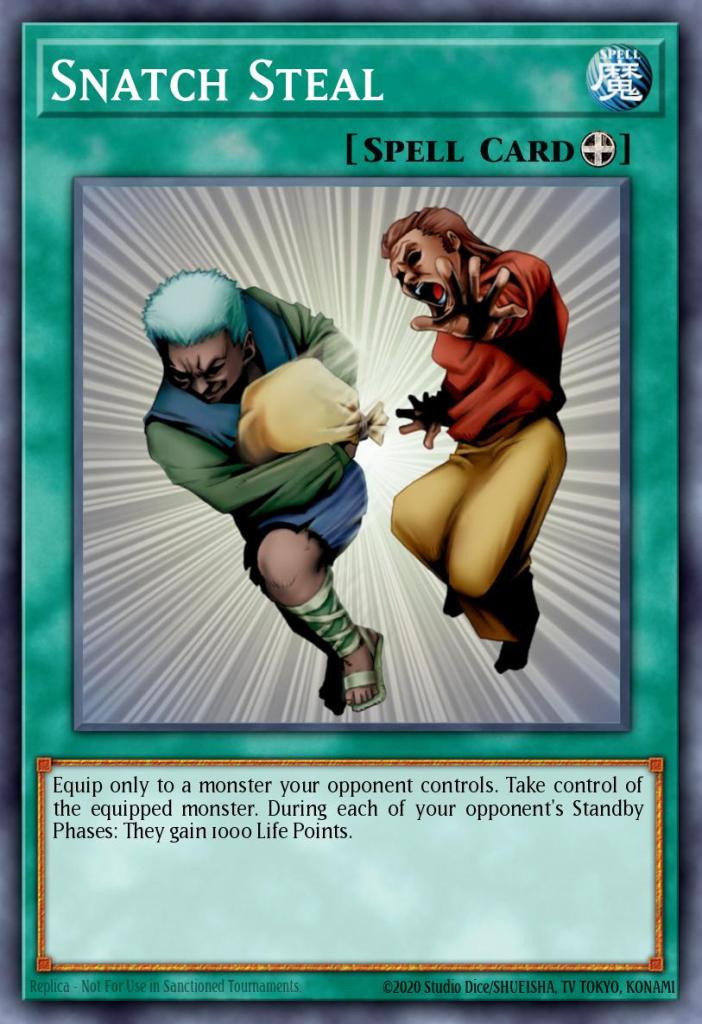
- Equip Spells (Cross Icon): Target a face-up monster to grant it stats or effects. If the monster leaves the field, the Equip Spell is destroyed.
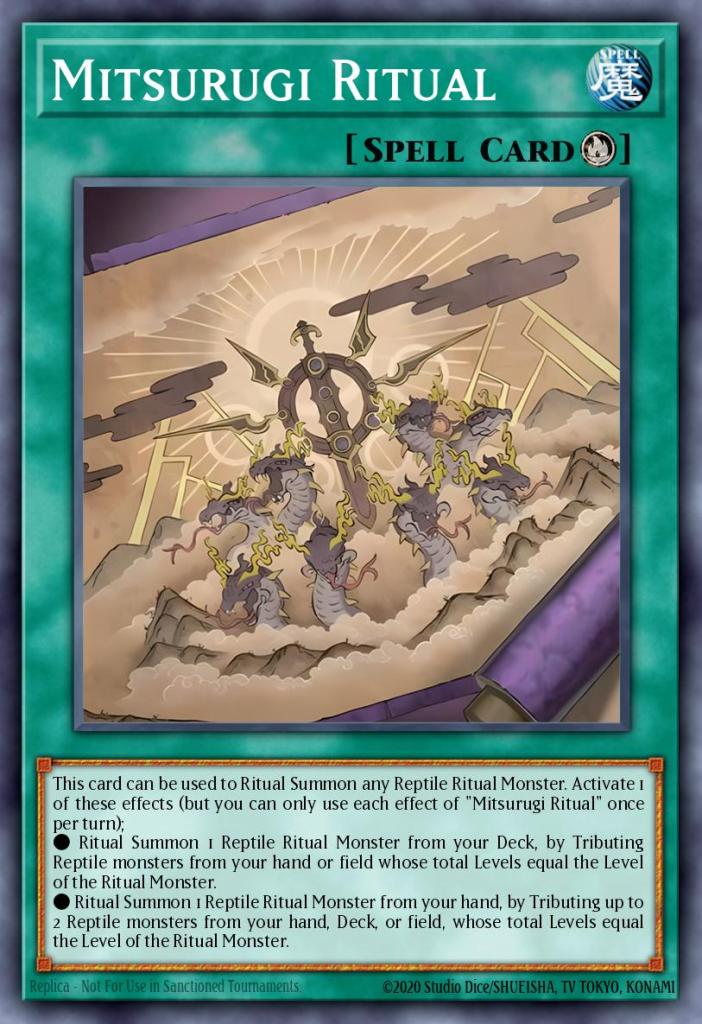
- Ritual Spells (Flame Icon): Used to perform Ritual Summons.
Traps:
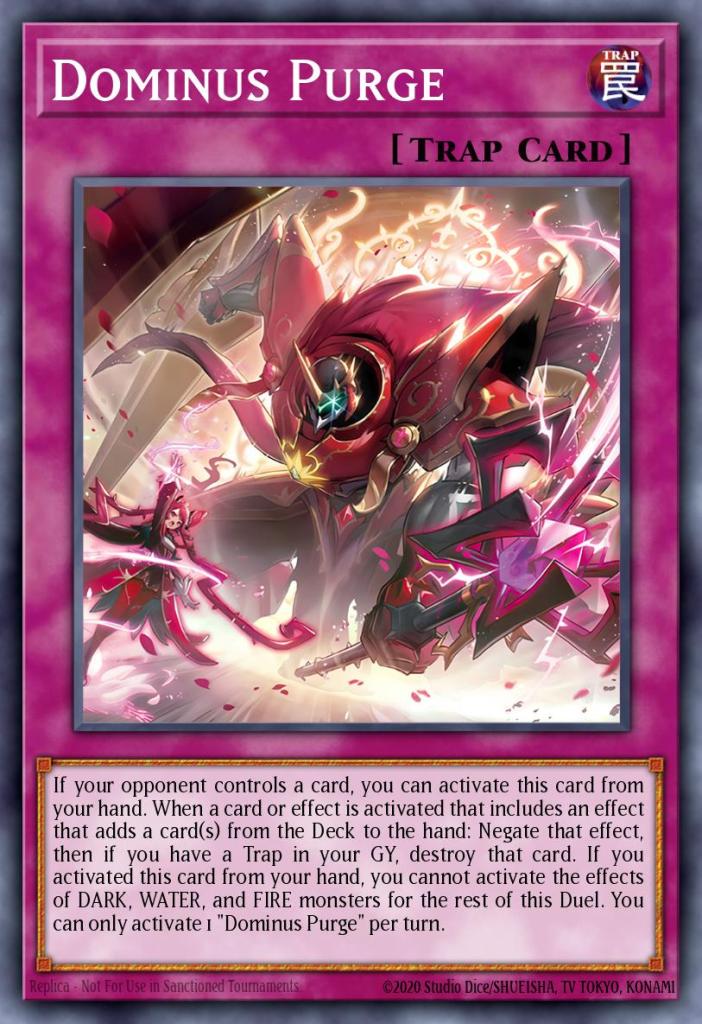
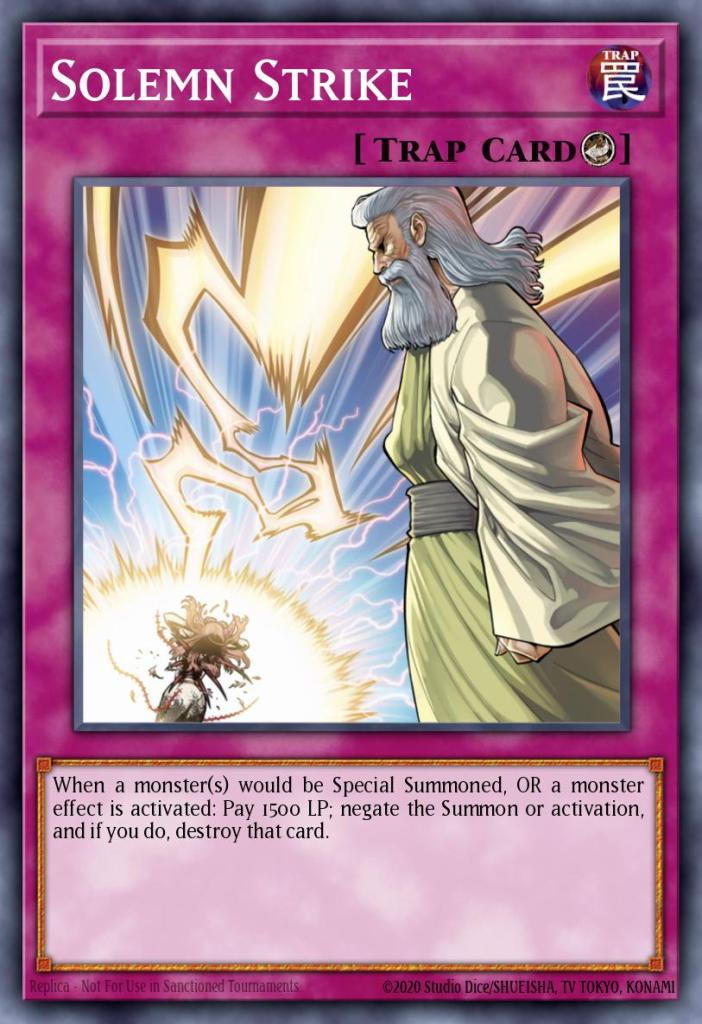
Pink-framed cards that must be Set on the field for one turn before activation.
- Normal Traps (No Icon): Spell Speed 2. Single-use disruption effects. Sent to the GY after resolution.
- Continuous Traps (Infinity Icon): Spell Speed 2. Remain on the field to provide floodgate effects (restricting actions) or recurring advantage. Like Continuous Spells, they must remain face-up to resolve.
- Counter Traps (Arrow Icon): Spell Speed 3. Used to negate activations. Only other Counter Traps can be chained to them.

 60 Card Slop
Leave a comment